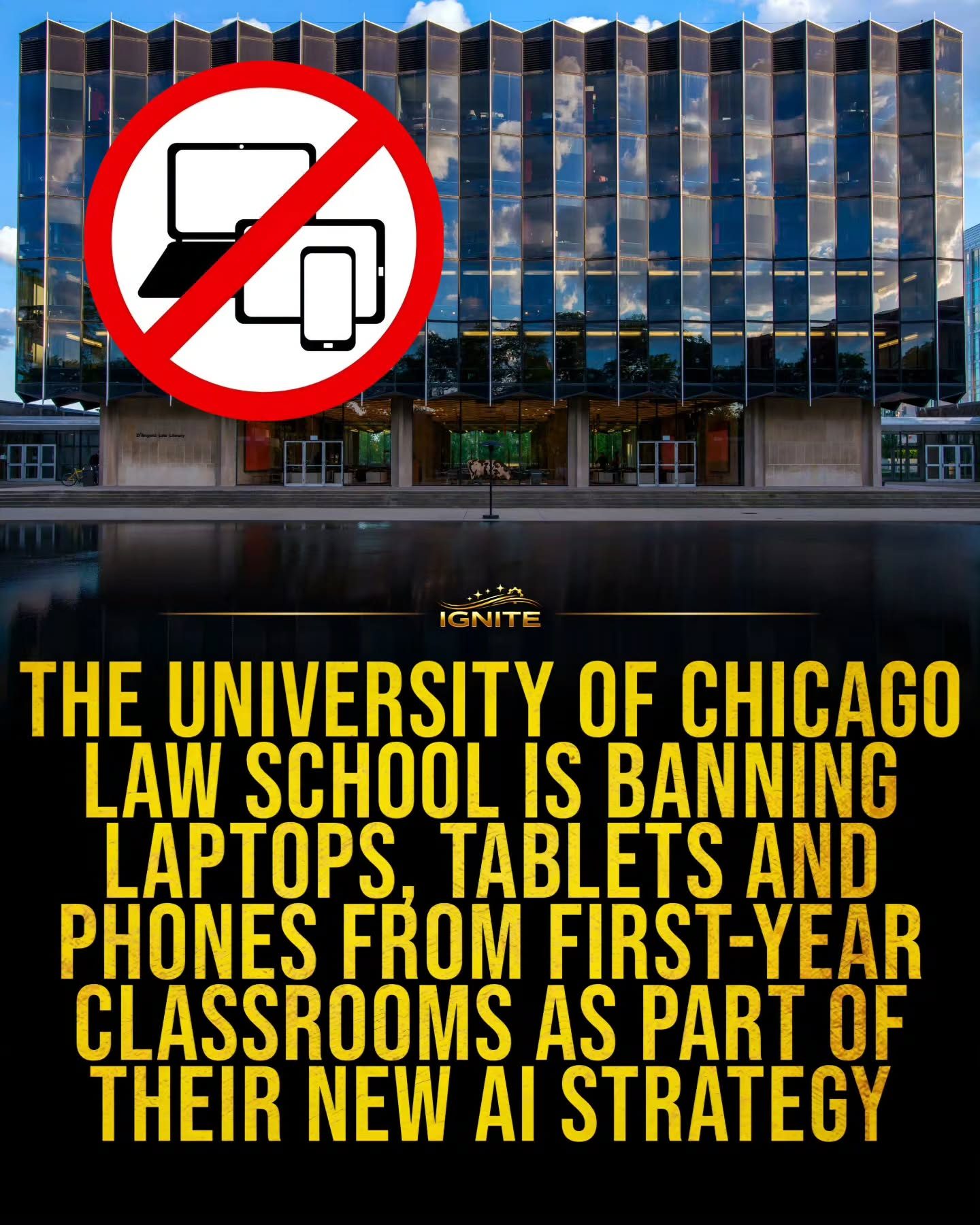
University of Chicago Law School's New Policy on Technology in Classrooms
The University of Chicago Law School has implemented a significant policy change, banning laptops, tablets, and phones from first-year classrooms. This move is part of a broader AI strategy aimed at enhancing the learning environment and student engagement.
Why This Matters
The shift away from personal devices in classrooms is not an isolated initiative. Many educational institutions are reevaluating the role of technology in learning spaces, especially in light of advancements in AI and the growing concern over digital distractions. This policy is particularly noteworthy as it comes from one of the most prestigious law schools in the country, setting a precedent that could influence other institutions.
Main Discussion
The Rationale Behind the Ban
The primary goal of this policy is to create a more focused and engaged learning environment. Law school classes, particularly for first-year students, often involve complex discussions and case analyses that benefit from undivided attention. By eliminating the temptation of digital distractions, the Law School aims to foster deeper engagement and more meaningful interactions during lectures and discussions.
The Role of AI in This Strategy
The ban is just one part of a larger AI strategy. The Law School is leveraging AI to enhance various aspects of the educational experience. AI tools can assist in personalizing learning paths, providing immediate feedback, and even facilitating more interactive and adaptive learning environments. By combing the use of AI with the removal of digital distractions, the school hopes to create a balanced and effective educational experience.
Potential Benefits
- Improved Focus: Removing the constant lure of notifications and online content can help students concentrate better during lectures.
- Enhanced Engagement: Without the screen barrier, students may engage more actively in discussions and class activities.
- Better Note-Taking: Handwritten notes have been shown to improve retention and understanding, which could benefit first-year students as they tackle foundational legal concepts.
- Healthier Study Habits: Reducing screen time during classes can encourage healthier study habits, potentially leading to better overall well-being.
Potential Challenges
While the benefits are clear, the policy also presents some challenges. Students who rely on devices for note-taking or access to course materials may find the transition difficult. Additionally, the effectiveness of the policy will depend on how well it is implemented and enforced. It is essential for the school to provide adequate support and resources to ensure a smooth transition.
Practical Tips for First-Year Students
- Get Organized: Invest in physical notebooks and organizers to keep notes and materials in order. Consider getting a planner to keep track of assignments and deadlines.
- Learn to Type (Fast): If you rely on laptops for note-taking, consider improving your typing speed to make the transition to a tablet or phone easier.
- Use Alternative Study Methods: Experiment with different study methods, such as flashcards, group discussions, and hands-on activities, to keep learning dynamic and engaging.
- Seek Support: If you're struggling with the adjustment, don't hesitate to reach out to professors, advisors, or fellow students for guidance and support.
Preparation for the New Academic Year
As the new academic year approaches, it's crucial for first-year students to be prepared for this new classroom environment. Here are some steps to take:
- Review the Policy: Familiarize yourself with the specifics of the policy to understand what is and isn't allowed. This will help you avoid any unnecessary complications.
- Gather Necessary Materials: Ensure you have all the necessary materials, such as notebooks, pens, and any specific course supplies you may need.
- Practice Good Study Habits: Start practicing good study habits early to make the transition smoother. This includes taking comprehensive notes, managing your time effectively, and staying organized.
Important Takeaways
- The University of Chicago Law School has banned laptops, tablets, and phones from first-year classrooms to foster a more focused and engaged learning environment.
- This policy is part of a broader AI strategy aimed at enhancing the educational experience. AI tools will be used to personalize learning paths and provide immediate feedback.
- The benefits of this policy include improved focus, enhanced engagement, better note-taking, and healthier study habits. However, it may present challenges for students who rely on devices for note-taking or access to course materials.
Conclusion
The University of Chicago Law School's decision to ban personal devices from first-year classrooms is a bold move that reflects a growing trend in educational institutions. By leveraging AI and encouraging a more focused learning environment, the school hopes to enhance the student experience and prepare them for the rigors of legal education. While the transition may present some challenges, the potential benefits are significant. With the right preparation and support, first-year students can thrive in this new educational landscape.
Questions readers ask
Why did the University of Chicago Law School implement a device ban in first-year classrooms?
The University of Chicago Law School banned devices in first-year classrooms to reduce digital distractions and foster a more engaging learning environment. This move is part of their broader AI strategy to enhance student focus and interaction during classes.
What types of devices are prohibited in first-year classrooms at the University of Chicago Law School?
The ban encompasses laptops, tablets, and phones. First-year law students are expected to attend classes without these devices to minimize distractions and encourage active participation.
How might this policy impact first-year law students?
This policy may enhance students' ability to concentrate on lectures and class discussions. It could also encourage traditional note-taking methods, potentially improving comprehension and retention of information.
Are there any exemptions to the device ban for first-year law students at the University of Chicago Law School?
The article does not mention any specific exemptions. However, it is advisable for students to contact the law school directly for detailed information on exceptions, such as for medical or accessibility purposes.
How does the University of Chicago Law School plan to enforce this new policy?
The enforcement details are not specified in the article. However, typical enforcement methods might include reminders from instructors, and students might be asked to put away devices if seen during class. Students should refer to the law school's official guidelines for precise enforcement procedures.
Do other law schools have similar policies regarding devices in classrooms?
While the article highlights the University of Chicago Law School's initiative, other institutions are also reevaluating technology use in classrooms. It is possible that similar policies may emerge in other law schools, especially as concerns over digital distractions and AI advancements grow.
What should first-year law students do if they rely on devices for note-taking or accessibility purposes?
Students who rely on devices for note-taking or accessibility reasons should reach out to the law school administration. They might be able to arrange special accommodations or exemptions based on individual needs, though the specifics would need to be discussed with the relevant authorities.
Related deep dives
Similar reads based on topic and creator.




Recent articles
Fresh deep dives from the latest Reels we unpacked.




Comments
Be the first to comment.