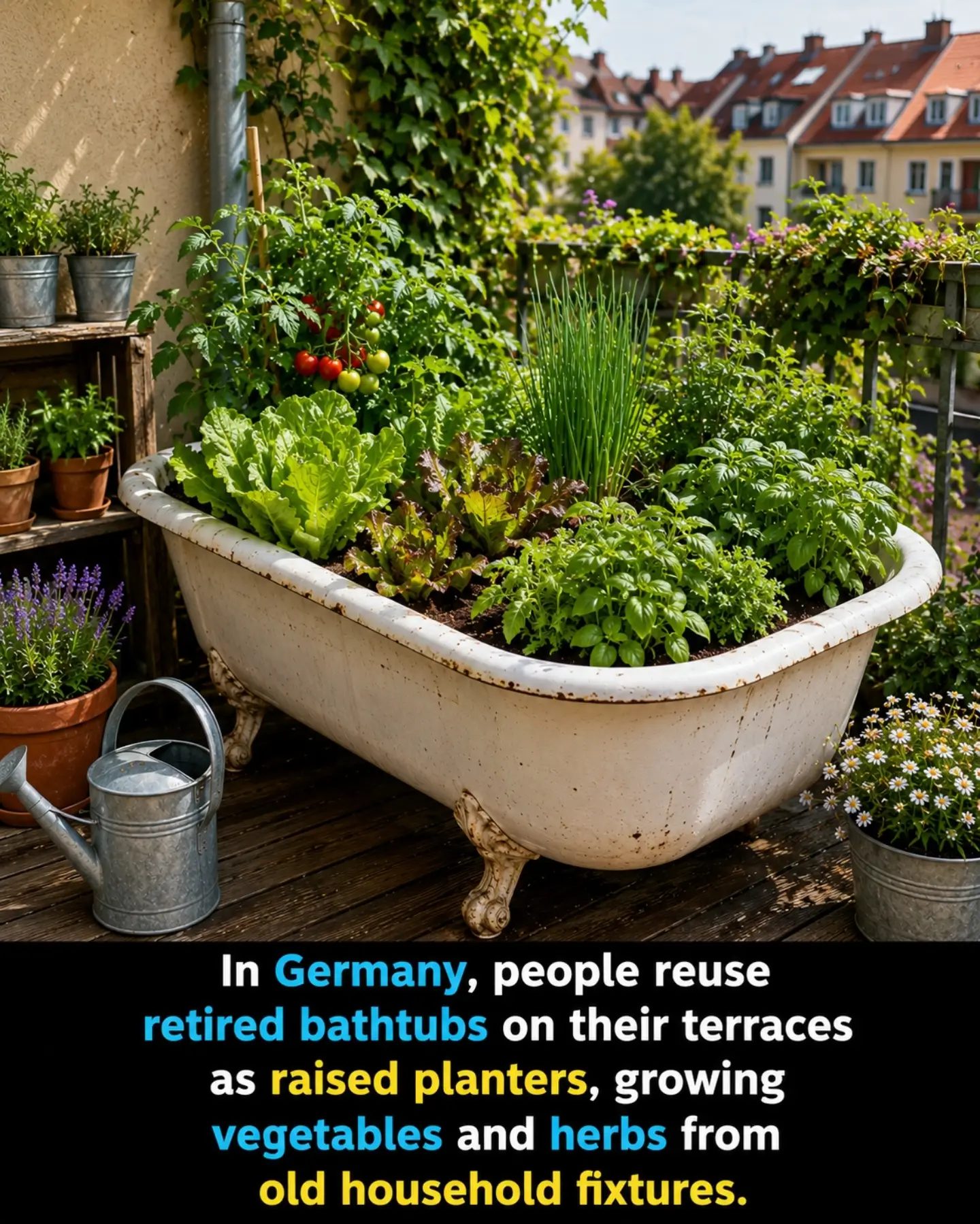
Repurposed Bathtub Gardens
In Germany, people are finding a novel way to combine gardening with upcycling by transforming old bathtubs into raised planters. This creative twist not only adds a unique charm to outdoor spaces but also promotes sustainability by giving retired household fixtures a new lease on life.
Context / Why this matters
Gardening in urban or small spaces often presents challenges, such as limited soil depth and lack of natural ground cover. Raised planters solve these problems by providing controlled environments for plants to grow. Additionally, repurposing old bathtubs addresses environmental concerns by reducing waste and promoting the reuse of materials that might otherwise end up in landfills.
Main discussion
The idea behind bathtub planters
The concept of repurposing bathtubs as planters is not only creative but also practical. Bathtubs, especially the vintage claw-foot variety, are deep and sturdy, making them ideal for growing a variety of plants. They can hold a significant amount of soil, which is beneficial for root development and water retention.
Benefits of raised planters
Soil and drainage control
One of the primary advantages of using raised planters is the ability to control the soil and drainage. Different plants have varying soil and nutrient requirements. With a raised planter, you can tailor the soil mix to suit the specific needs of your herbs and vegetables. Additionally, good drainage is crucial for plant health, and raised planters allow for better regulation of water flow, preventing root rot and other water-related issues.
Pests and weeds
Raised planters also help in minimizing pest and weed problems. By elevating the planting area, you create a physical barrier that makes it harder for pests to access your plants. Furthermore, raised planters reduce weed growth because the soil is contained and less likely to be contaminated by weed seeds from surrounding areas.
Accessibility
For gardeners with mobility issues, raised planters offer a significant advantage. They bring the garden to a more comfortable height, reducing the need for bending or kneeling. This makes gardening more accessible and enjoyable for everyone, regardless of physical limitations.
Popular plants for bathtub planters
Vegetables
Vegetables that thrive in raised planters include tomatoes, lettuce, and peppers. These plants benefit from the deep soil and good drainage provided by the bathtub planters. Tomatoes, in particular, require a lot of root space and benefit from the stability and depth of a bathtub planter.
Herbs
Herbs are also well-suited for bathtub planters. Basil, parsley, and rosemary are popular choices. Herbs generally have shallow root systems, making them ideal for container gardening. Additionally, herbs are often used in cooking, so having them readily available in your outdoor space can be convenient.
Aesthetic appeal
Bathtub planters add a unique and charming element to any outdoor space. The vintage claw-foot design lends a rustic and whimsical touch, making it a focal point in gardens, terraces, or patios. This aesthetic appeal is enhanced when the planters are filled with lush greenery and vibrant flowers, creating a visually appealing and inviting atmosphere.
Practical tips
Choosing the right bathtub
When selecting a bathtub for repurposing, consider the following:
- Size and depth: Ensure the bathtub is deep enough to accommodate the root systems of the plants you intend to grow. A deeper bathtub will hold more soil, which is beneficial for larger plants.
- Material: Choose a bathtub made of durable materials like cast iron or enamel. These materials are sturdy and can withstand outdoor conditions.
- Condition: Inspect the bathtub for any signs of damage or rust. It should be in good condition to ensure it holds water and soil effectively.
Preparing the bathtub
Before filling the bathtub with soil, follow these steps:
- Clean the bathtub: Thoroughly clean the bathtub to remove any dirt, residue, or rust. Use a mild detergent and water, then rinse and dry it completely.
- Add drainage holes: If the bathtub does not have drainage holes, drill a few at the base to allow for proper water drainage. This will prevent waterlogging and root rot.
- Line the bathtub: Optionally, line the bathtub with a layer of landscape fabric or a plastic sheet to prevent soil from leaking out through the drainage holes.
Planting tips
- Soil selection: Choose a high-quality potting mix that is well-draining and nutrient-rich. Avoid using garden soil, as it may contain pests, weeds, and pathogens.
- Plant selection: Select plants that are suitable for container gardening and have similar water and light requirements. This ensures they thrive in the same environment.
- Watering: Water the plants regularly, ensuring the soil remains moist but not waterlogged. Adjust the watering frequency based on weather conditions and plant needs.
Important takeaways
Repurposing old bathtubs as raised planters is a creative and sustainable way to enjoy gardening, especially in urban or small spaces. This approach offers numerous benefits, including better soil and drainage control, reduced pest and weed problems, and improved accessibility. By choosing the right bathtub, preparing it properly, and selecting the right plants, you can create a thriving and visually appealing garden that adds charm to your outdoor space.
Conclusion
Gardening in raised planters, particularly those made from repurposed bathtubs, brings a unique blend of creativity, sustainability, and practicality to any outdoor space. Whether you are a seasoned gardener or a beginner, this innovative approach offers a rewarding way to grow vegetables and herbs while adding a touch of rustic charm to your garden. Embrace the idea of repurposing old household fixtures and enjoy the beauty and benefits of a bathtub garden.
Questions readers ask
What is bathtub gardening and why is it gaining popularity in Germany?
Bathtub gardening involves using old bathtubs as raised planters for growing plants. In Germany, this practice is becoming popular due to its unique charm, sustainability benefits, and effectiveness in overcoming urban gardening challenges. This method gives old bathtubs a new purpose and reduces waste.
How does using old bathtubs as planters promote sustainability?
By repurposing old bathtubs into planters, gardeners reduce waste and minimize the need for new materials, promoting a circular economy. This approach also helps to lower the environmental impact of gardening in urban spaces, as it reduces the carbon footprint compared to the manufacture of new planters.
What are the advantages of using bathtubs for raised bed gardening?
Bathtubs offer a deep soil depth for root growth, making them ideal for a variety of plants. They also provide a controlled environment for plant growth, protecting plants from pests and diseases. Additionally, bathtubs are often durable and long-lasting, ensuring that your planters will last for many growing seasons.
How can I set up a bathtub garden in a small urban space?
To set up a bathtub garden, choose a spot with adequate sunlight for your chosen plants. Fill the bathtub with a mix of soil and compost, then plant your preferred herbs, vegetables, or flowers. Ensure the bathtub has proper drainage holes to prevent waterlogging, and maintain the garden regularly by watering and weeding as needed.
Where can I find old bathtubs for sale to start my bathtub garden?
You can find old bathtubs for sale through local classifieds, online marketplaces, or even from neighbors and friends who are renovating or replacing them. Additionally, thrift stores, salvage yards, and Habitat for Humanity ReStores are potential sources. You can also find specific bathtubs for sale, like vintage claw foot models.
What types of plants thrive in bathtub gardens?
Bathtub gardens are suitable for a variety of plants, including herbs like basil and mint, and vegetables such as lettuce, tomatoes, and peppers. These plants benefit from the deep soil and controlled environment provided by bathtubs. Make sure to choose plants with similar water and light needs to ensure they all thrive.
How can I maintain a bathtub garden in the long term?
Regular maintenance is key to a successful bathtub garden. This includes consistent watering, especially during dry periods, and regular weeding to control pests and diseases. Adding compost or fertilizer as needed will help maintain soil fertility, and pruning plants will encourage healthier growth and better yield.
Related deep dives
Similar reads based on topic and creator.




Recent articles
Fresh deep dives from the latest Reels we unpacked.



Comments
Be the first to comment.