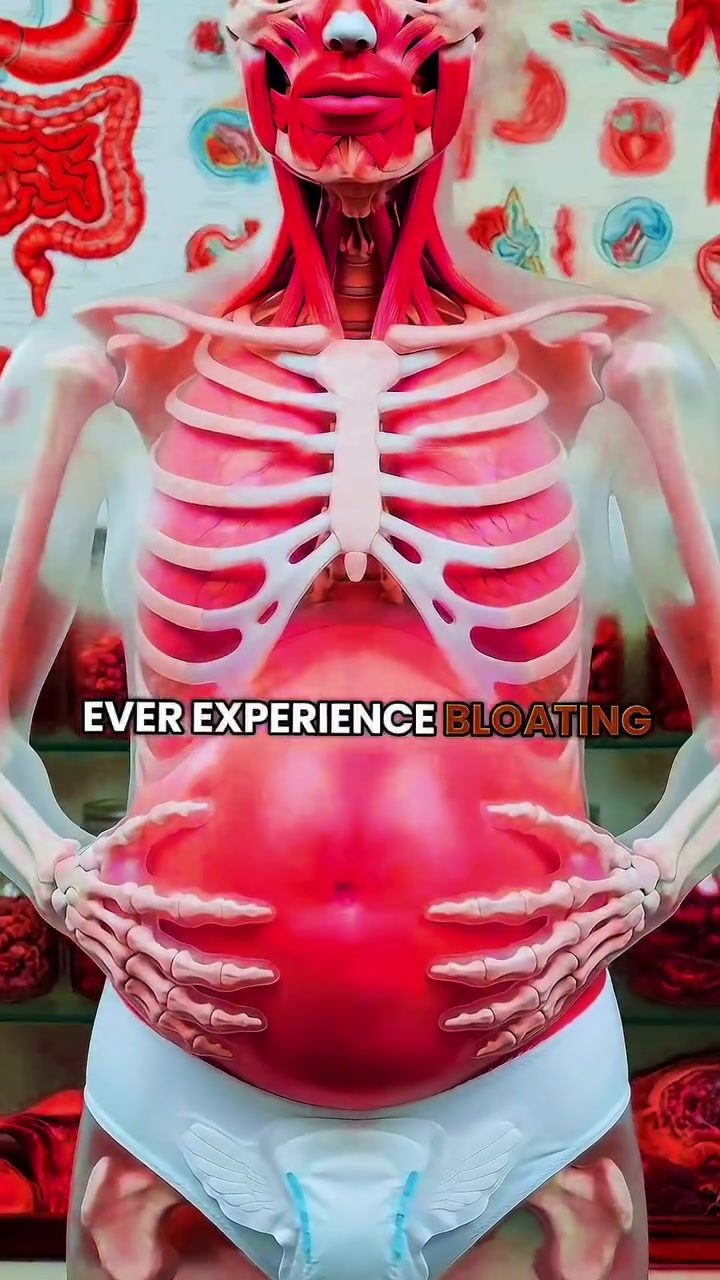
Bloating During Menstruation
Undoubtedly, menstrual bloating is a common and uncomfortable experience for many people. The key to managing it is understanding the internal processes that contribute to it. During the luteal phase and into menstruation, hormonal changes lead to both physical and digestive symptoms that can exacerbate bloating. Let's dive into the details of what happens internally and how it affects the body.
Why This Matters
While bloating during menstruation is a well-known symptom, the specific mechanisms behind it are less widely understood. Knowing the interplay of hormones, water retention, and intestinal motility can help individuals take proactive steps to mitigate discomfort.
Understanding the Internal Process
Hormonal Shifts
The menstrual cycle is governed by complex hormonal fluctuations. During the luteal phase, which follows ovulation, estrogen levels rise while progesterone levels drop. This shift in hormones triggers a cascade of effects that contribute to bloating.
Progesterone slows down intestinal motility, which is the movement of food through the digestive system. This slowing can trap gas and slow digestion, adding to the sensation of bloating. Prostaglandins, which are released during menstruation, stimulate stronger gut contractions, further contributing to the discomfort.
Water and Salt Retention
One of the most significant contributors to menstrual bloating is water and salt retention. Hormonal changes during the luteal phase cause the body to retain more water and salt. This retention swells cells and tissues, leading to a heavy, distended feeling in the abdomen. The buildup of fluid, combined with the slower digestion and trapped gas, can make the bloating feel more intense.
Gut Sensitivity
Hormonal changes also heighten gut sensitivity during menstruation. This increased sensitivity, along with the trapped gas and fluid pressure, can make the bloating feel more intense. The combination of these factors can lead to significant discomfort and even cramps.
The Role of Prostaglandins
Prostaglandins play a crucial role in the menstrual cycle by stimulating stronger gut contractions. These contractions can help to expel menstrual fluid but can also contribute to the feeling of bloating and cramps. Understanding the role of prostaglandins can help individuals manage their symptoms more effectively.
Practical Tips
While menstrual bloating is a natural part of the menstrual cycle, there are several strategies that can help ease the discomfort.
Stay Hydrated
While it might seem counterintuitive, staying hydrated can help reduce bloating. Drinking plenty of water helps flush out excess salt and fluid, reducing the swelling and discomfort. Aim for at least eight glasses of water per day, and consider adding hydrating foods like watermelon, cucumbers, and leafy greens to your diet.
Limit Salt Intake
Excessive salt intake can exacerbate water retention and bloating. Try to reduce your salt intake by avoiding processed foods, canned goods, and salty snacks. Opt for fresh, whole foods that are naturally low in sodium.
Light Movement
Engaging in light exercise or movement can help alleviate bloating. Activities like walking, yoga, or gentle stretching can promote digestion and reduce water retention. Even a short walk can make a difference in how you feel.
Over-the-Counter Remedies
There are several over-the-counter remedies that can help manage menstrual bloating. Diuretics, which help the body eliminate excess water, can be effective. However, it's essential to use them sparingly and under the guidance of a healthcare provider. Non-steroidal anti-inflammatory drugs (NSAIDs) like ibuprofen can also help reduce prostaglandin levels, alleviating cramps and bloating.
Important Takeaways
Menstrual bloating is a common and often uncomfortable experience. Understanding the internal processes that contribute to bloating can help individuals manage their symptoms more effectively. Key takeaways include:
- Hormonal changes during the luteal phase and menstruation lead to water and salt retention, slowing down intestinal motility, and increasing gut sensitivity.
- Progesterone and prostaglandins play crucial roles in the digestive and hormonal changes that contribute to bloating.
- Strategies to manage menstrual bloating include staying hydrated, limiting salt intake, engaging in light movement, and considering over-the-counter remedies.
Conclusion
Menstrual bloating is a natural part of the menstrual cycle, but it doesn't have to be a source of constant discomfort. By understanding the internal processes that contribute to bloating and implementing practical strategies to manage symptoms, individuals can support their body's natural cycle and reduce discomfort.
Questions readers ask
What causes the slowed intestinal motility during menstruation?
Slowed intestinal motility during menstruation is primarily caused by the hormone progesterone. Progesterone levels rise during the luteal phase of the menstrual cycle, which can slow down food movement through the digestive system, leading to bloating and discomfort.
How does water retention contribute to menstrual bloating?
Water retention during menstruation is influenced by hormonal changes, particularly the fluctuation of estrogen and progesterone. These hormones can cause the body to retain more water, leading to a feeling of fullness and bloating, especially in the abdominal area.
Can hormonal imbalances worsen menstrual bloating?
Yes, hormonal imbalances can exacerbate menstrual bloating. When the levels of estrogen and progesterone are not in sync or are significantly altered, it can lead to increased water retention and slowed intestinal motility, making bloating more severe.
What role does gut health play in menstrual bloating?
Gut health can significantly impact menstrual bloating. A healthy gut microbiome can help maintain regular intestinal motility and reduce inflammation, which can mitigate bloating symptoms. Conversely, an imbalanced gut microbiome can worsen digestive issues and contribute to increased bloating.
Are there specific foods that can help alleviate menstrual bloating?
Certain foods can help alleviate menstrual bloating by promoting gut health and reducing water retention. Foods rich in fiber, such as fruits, vegetables, and whole grains, can aid in digestion. Additionally, foods with anti-inflammatory properties, like ginger and turmeric, can help reduce inflammation and bloating.
How can managing stress help with menstrual bloating?
Stress can exacerbate menstrual bloating by affecting hormonal balance and gut function. Managing stress through techniques such as yoga, meditation, or deep-breathing exercises can help regulate hormones, improve digestion, and reduce bloating symptoms.
What are some effective strategies for managing bloating during periods?
Effective strategies for managing bloating during periods include staying hydrated, maintaining a balanced diet rich in fiber, engaging in regular physical activity, and practicing stress-reduction techniques. Additionally, avoiding foods that are known to cause gas and bloating, such as carbonated drinks and processed foods, can be beneficial.
Recent articles
Fresh deep dives from the latest Reels we unpacked.



Comments
Be the first to comment.