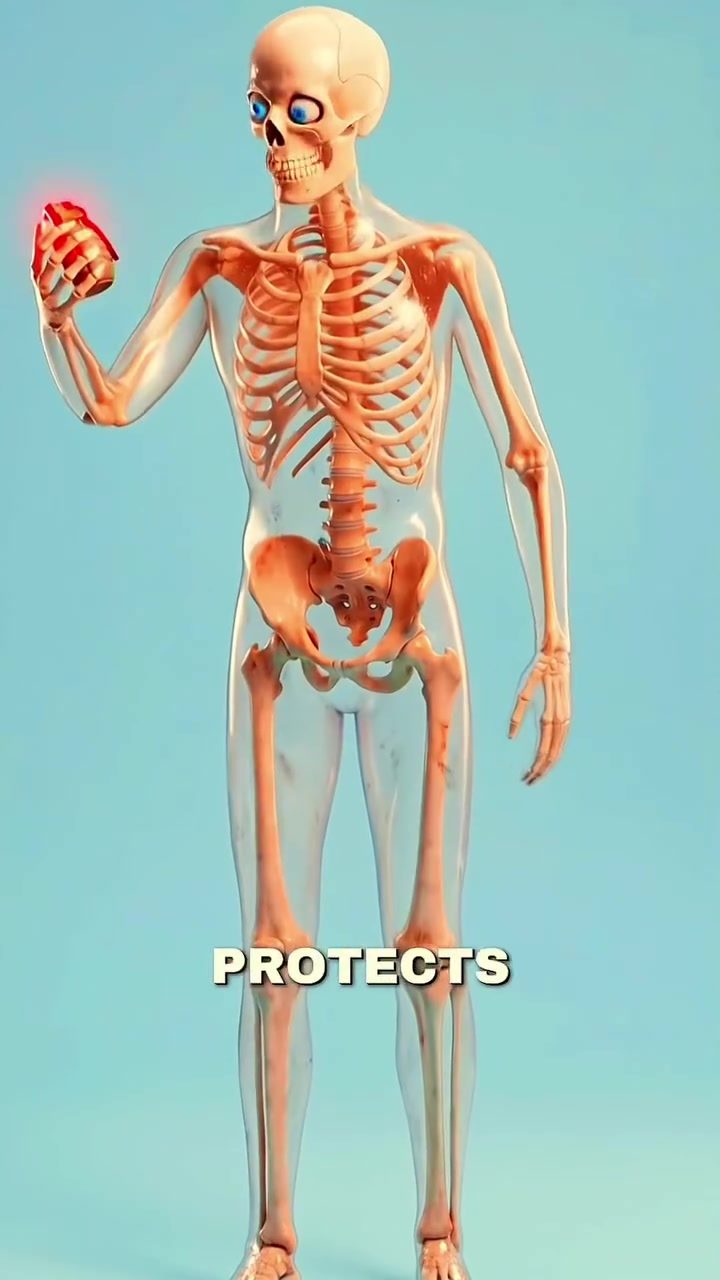
Understanding the Impact of Explosive Forces on the Human Body
Explosive forces, such as those from a grenade, exert immense pressure on the human body. This pressure can have devastating consequences, as demonstrated through a 3D model of a human skeleton. The visual effects simulate the impact and its consequences, providing a stark illustration of what actually protects you from such explosive forces.
Context / Why this matters
Explosive devices, particularly grenades, are designed to cause significant damage through a combination of heat, fragmentation, and pressure. Understanding how these forces impact the human body is crucial for developing effective protective measures and safety protocols.
Main discussion
Grenade Impact and Wall Protection
Many people instinctively believe that hiding behind a wall will protect them from a grenade. However, the force of a grenade explosion is so powerful that it can blast straight through most walls. This is because the pressure wave generated by the explosion can travel through solids, causing significant damage on the other side. Therefore, relying on a wall for protection is not a viable strategy.
Covering the Grenade
Another common but misguided instinct is to cover the grenade. While this might seem like a smart move, it can actually be very dangerous. When the pressure from the explosion builds up, covering the grenade can cause a backfire, redirecting the force in unpredictable and harmful ways. This can create additional hazards and increase the risk of serious injury.
Water and Explosions
Many people assume that water can stop an explosion. However, water can actually intensify the force of the explosion. When a grenade detonates underwater, the resulting shockwave can be amplified, sending shrapnel and debris flying with even greater force. This effect can be particularly dangerous in confined spaces, where the shockwave has nowhere to dissipate.
Firearms and Explosions
Firing a gun at an explosive device is another dangerous misconception. A bullet can act like a spark, igniting the explosive faster and making the blast more unpredictable. This can turn a controlled explosion into a chaotic and unpredictable event, increasing the risk of injury to both the shooter and nearby individuals. It is always best to avoid handling or engaging with an explosive device.
Reducing the Impact
To effectively reduce the impact of an explosion, one must consider the nature of the explosive force. Explosions generate a powerful pressure wave that can cause significant damage to the human body. Understanding how to mitigate this impact is crucial for survival. For instance, using appropriate protective gear, such as body armor and helmets, can significantly reduce the impact of the pressure wave. Additionally, creating distance between oneself and the explosion is a critical safety measure.
Practical tips
Here are some practical tips to help reduce the impact of an explosive force and potentially save your life:
-
Evacuate the Area: If possible, immediately evacuate the area where the grenade is located. The farther you are from the explosion, the less severe the impact will be.
-
Seek Cover: Find a sturdy structure that can provide shielding from the blast. Concrete barriers, reinforced walls, and steel structures are more effective than ordinary walls.
-
Protect Yourself: Use protective gear such as body armor, helmets, and other protective equipment. These can provide additional layers of defense against the pressure wave and flying debris.
-
Avoid Interfering: Do not attempt to cover or disarm the grenade. Leave this to trained professionals. Interfering with an explosive device can escalate the danger.
-
Stay Low and Cover: If you cannot evacuate, get as low to the ground as possible and cover your head and body with your arms and any available materials to protect yourself from flying debris.
Important takeaways
-
Understanding Explosive Forces: Explosive forces, such as those from a grenade, exert immense pressure on the human body. Understanding how these forces impact the body is crucial for developing effective protective measures.
-
Common Misconceptions: Many people believe that hiding behind a wall, covering the grenade, or using water to stop the explosion are effective strategies. However, these actions can actually increase the risk of injury.
-
Practical Safety Measures: Effective safety measures include evacuating the area, seeking cover, using protective gear, and avoiding interference with the explosive device. These actions can significantly reduce the impact of an explosion and save lives.
Conclusion
Explosive forces, particularly from grenades, pose a significant threat to human safety. Understanding the nature of these forces and the misconceptions surrounding them is essential for developing effective protective measures. By following practical safety tips and avoiding common mistakes, one can significantly reduce the impact of an explosion and increase the chances of survival.
Questions readers ask
How does the pressure from a grenade explosion affect the human body?
The pressure from a grenade explosion exerts immense force on the human body, leading to severe internal and external injuries. The force can cause fractures, internal bleeding, and damage to vital organs. The effects are often visualized through 3D models to better understand the impact and consequences.
What are the primary forces that make grenades so dangerous?
Grenades are dangerous due to the combination of heat, fragmentation, and pressure they generate upon detonation. The heat can cause severe burns, the fragmentation can lead to penetrating wounds, and the pressure can cause devastating internal injuries.
Can walls provide adequate protection from a grenade explosion?
Walls can offer some protection from grenade explosions, but their effectiveness depends on the thickness and material of the wall. Concrete walls, for instance, can mitigate some of the blast effects, but they may not completely shield individuals from fragmentation and pressure waves.
What are some common misconceptions about surviving a grenade blast?
One common misconception is that hiding behind a thin wall or flimsy object will provide sufficient protection. It's important to understand that grenades generate a significant pressure wave that can cause severe harm even if you are not directly in the path of the blast.
What protective measures can be taken to minimize the risk of injury from a grenade explosion?
To minimize the risk of injury, it is crucial to seek cover behind sturdy structures and maintain a safe distance from the explosion. Wearing protective gear, such as body armor and helmets, can also help reduce the impact of the blast and fragmentation.
Why is it important to understand how explosive forces impact the human body?
Understanding how explosive forces impact the human body is essential for developing effective safety protocols and protective measures. This knowledge helps in designing better safety equipment and guidelines to protect individuals in high-risk environments.
Recent articles
Fresh deep dives from the latest Reels we unpacked.



Comments
Be the first to comment.