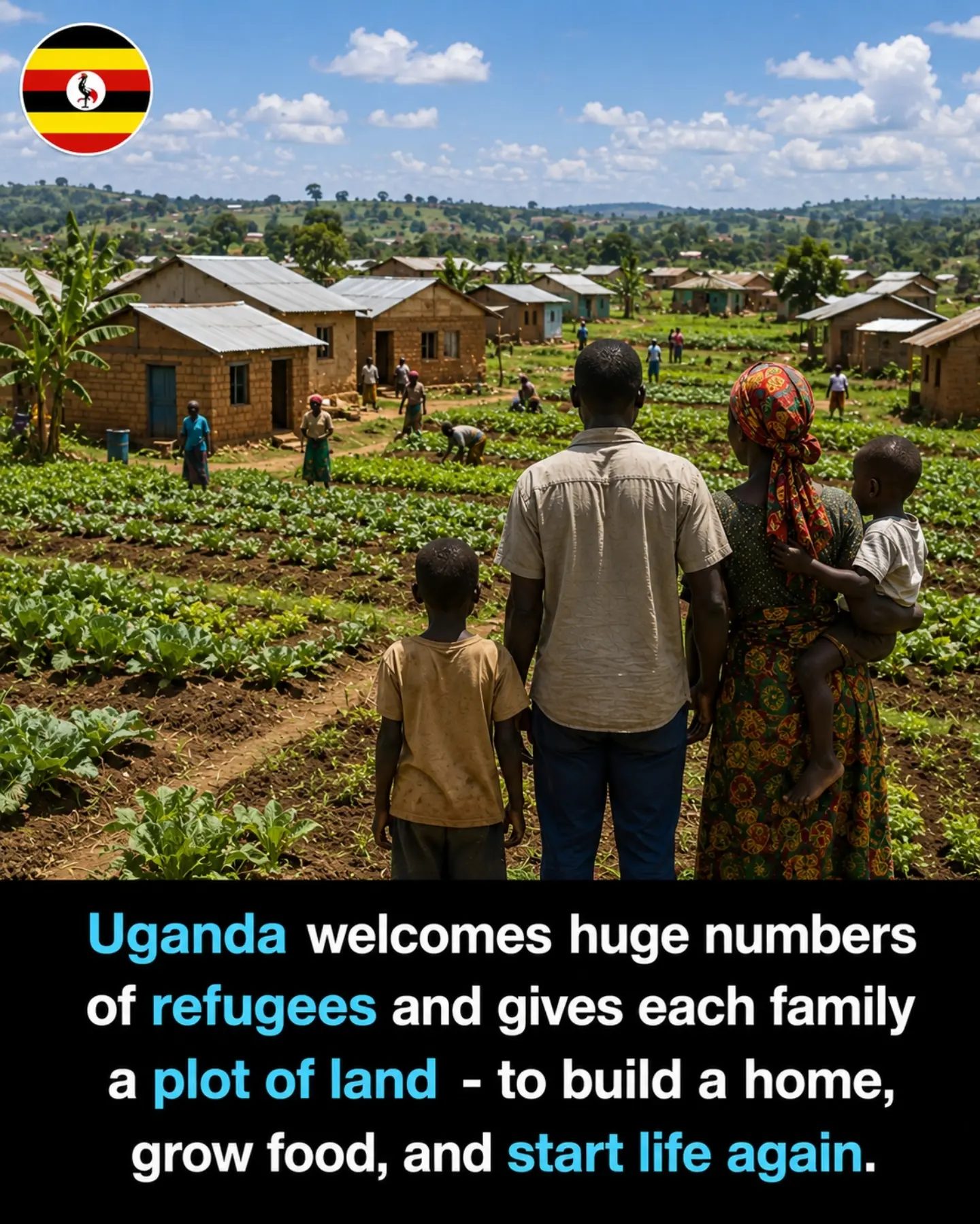
Ugandan Refugee Support: A Policy of Land and Hope
Uganda has long been recognized for its progressive approach to refugee support, providing a lifeline to hundreds of thousands of displaced people. The country's policy not only offers immediate shelter, but also empowers refugees to rebuild their lives through land allocation.
Context: Why This Matters
Uganda's refugee policies stand out in a world where many countries struggle to manage influxes of displaced people. By offering land to refugee families, Uganda provides a foundation for self-sufficiency and long-term stability. This approach not only alleviates immediate humanitarian needs but also fosters community development and economic growth.
The Policy in Action: Land and Livelihood
Welcoming Refugees
Uganda's policy of welcoming refugees is not just about providing temporary shelter; it is about offering a pathway to self-sufficiency. The country has welcomed a large number of refugees from neighboring countries, including South Sudan, the Democratic Republic of Congo, and Somalia. Each refugee family is given a plot of land, which they can use to build homes and grow food. This land allocation is a critical component of Uganda's refugee support strategy, aimed at helping refugees restart their lives.
Building Homes and Growing Food
The land provided to refugee families is intended for more than just shelter. It serves as a means for refugees to start anew. By growing their own food, refugees can reduce dependency on external aid and become more self-sufficient. This not only improves their nutritional status but also instills a sense of purpose and accomplishment. Additionally, the ability to build their own homes provides refugees with a sense of security and belonging, essential for their mental and emotional well-being.
The Impact on Refugee Communities
Economic Opportunities
Land allocation goes beyond providing basic needs; it also creates economic opportunities. Refugees can engage in small-scale farming, livestock rearing, and other agricultural activities. This not only provides a source of income but also contributes to the local economy. The products grown by refugees can be sold in local markets, fostering trade and economic growth within the community.
Community Development
The policy of providing land to refugees also promotes community development. Refugee families often form clusters, leading to the establishment of new settlements. These settlements can become vibrant communities where people share resources, support each other, and work together to improve their living conditions. This sense of community helps refugees integrate more seamlessly into Ugandan society, reducing social isolation and fostering a sense of belonging.
Challenges and Solutions
While Uganda's policy of providing land to refugees is commendable, it is not without challenges. Limited resources, environmental degradation, and potential conflicts over land use are some of the issues that need to be addressed. To mitigate these challenges, continuous support from the international community is essential. This includes financial aid, technical support, and capacity-building initiatives to help Uganda manage its refugee population more effectively.
Practical Tips for Supporting Refugee Communities
Local Engagement
Community engagement is key to the successful integration of refugees. Local communities can play a crucial role in welcoming and supporting refugees. Initiatives that promote interaction between refugees and local residents can help break down barriers and foster mutual understanding. This can include joint community projects, cultural exchange programs, and social events that bring people together.
Sustainable Agriculture
Promoting sustainable farming practices among refugee communities is essential for long-term success. This can be achieved through training programs that teach refugees about soil conservation, water management, and crop diversification. By adopting sustainable practices, refugees can ensure the long-term productivity of their land and contribute to environmental conservation.
Important Takeaways
Uganda's policy of providing land to refugees is a testament to its commitment to supporting displaced people. By offering land for building homes and growing food, Uganda empowers refugees to restart their lives and become self-sufficient. This approach not only addresses immediate humanitarian needs but also fosters economic growth and community development. However, continued support from the international community is essential to address the challenges associated with this policy and ensure its long-term success.
Conclusion
Uganda's refugee support policy serves as a model for other countries grappling with refugee crises. By focusing on land allocation and self-sufficiency, Uganda has created a pathway for refugees to rebuild their lives. This approach not only addresses immediate needs but also fosters long-term stability and growth. As the world continues to grapple with displacement and refugee crises, Uganda's policy provides valuable insights into how to support refugees effectively.
Questions readers ask
What makes Uganda's refugee policy unique compared to other countries?
Uganda's refugee policy stands out by providing land to refugee families, unlike many countries that often offer temporary shelter. This land enables refugees to build permanent homes, grow food, and become self-sufficient, fostering long-term stability and economic growth.
How does land allocation help refugees in Uganda?
Land allocation allows refugees to build homes and engage in farming, which provides a source of food and income. This promotes self-sufficiency and reduces dependence on humanitarian aid, thereby fostering community development and economic growth.
What are the benefits of Uganda's approach to refugee land rights?
Uganda's approach to refugee land rights empowers displaced families to rebuild their lives with a sense of stability and security. It encourages refugees to become productive members of society, contributing to economic growth and fostering a sense of community.
How does Uganda's policy on refugee land affect local communities?
By allowing refugees to integrate into local communities through land allocation, Uganda's policy encourages the exchange of knowledge and skills. This exchange fosters mutual growth, both for the refugees and the host communities, leading to increased economic opportunities and social cohesion.
What challenges might refugees face when receiving land in Uganda?
While Uganda's policy is progressive, refugees may face challenges such as limited access to seeds, tools, and technical knowledge for farming. Additionally, language barriers and cultural differences could pose initial hurdles to integrating into local communities.
How does the land allocation policy support the economic growth of refugees in Uganda?
The land allocation policy supports economic growth by enabling refugees to cultivate crops and raise livestock. These activities provide a sustainable source of income, helping refugees to support their families and invest in their futures while contributing to the local economy.
What are the long-term goals of Uganda's refugee land policy?
The long-term goals of Uganda's refugee land policy include fostering self-sufficiency, reducing dependency on aid, and promoting community development. By providing land, Uganda aims to create stable, productive communities where refugees can thrive and contribute to the nation's growth.
Related deep dives
Similar reads based on topic and creator.



Recent articles
Fresh deep dives from the latest Reels we unpacked.



Comments
Be the first to comment.