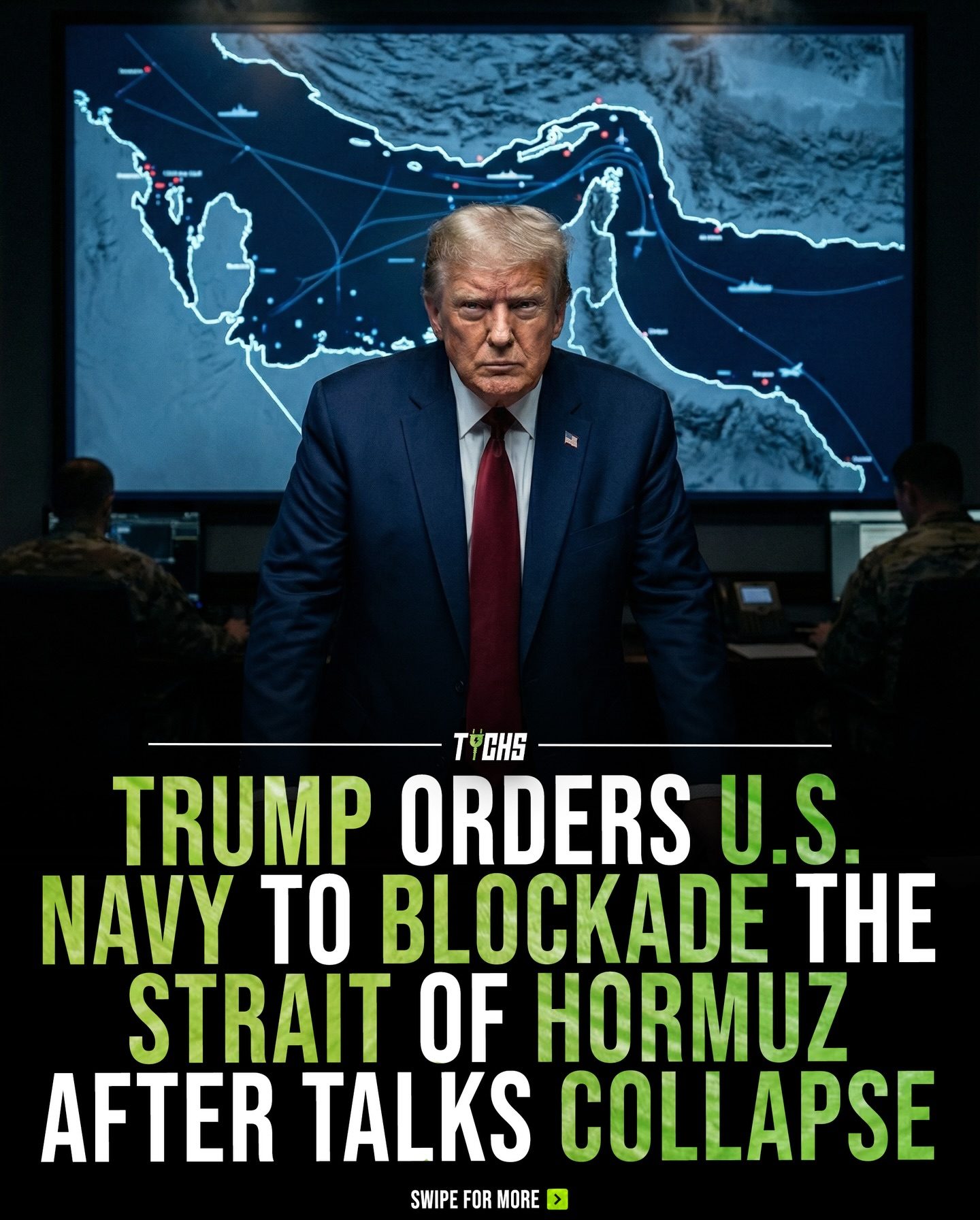
Trump's U.S.Navy Blockade of the Strait of Hormuz
The Strait of Hormuz, a crucial choke point for global oil trade, is now the focal point of heightened tensions following Donald Trump's directive to implement a U.S. Navy blockade. This strategic move aims to disrupt the passage of ships through the strait, particularly those linked to Iranian toll payments, thereby exerting pressure on Iran and tightening U.S. control over a waterway that handles 20% of the world's oil.
Global Implications
The Strait of Hormuz is a critical passage for global energy supply. Located between the Persian Gulf and the Gulf of Oman, it is the world's most important oil chokepoint. Any disruption in this route can send shockwaves through the global energy market, affecting oil prices and supply chains worldwide. The blockade’s main goal is to prevent vessels from entering or leaving the strait, a critical move that aims to isolate Iran and compel compliance with U.S. demands.
Strategic Importance
The blockade highlights the increasing tension between the United States and Iran. This strategic waterway is vital for the transport of oil from the Persian Gulf to global markets, accounting for a significant portion of the world's seaborne-traded oil. By targeting ships linked to Iran, the blockade intends to put pressure on the Iranian economy, which heavily relies on oil revenues. This move comes after diplomatic talks aimed at resolving tensions in the region collapsed. The blockade's impact on global oil markets underscores how quickly one geopolitical decision can ripple through the entire energy system, leading to uncertainty and volatility.
Economic and Political Ramifications
The blockade has far-reaching implications, not just for the Middle East but for the global economy. Countries dependent on oil imports from the Persian Gulf region will feel the immediate impact. The uncertainty caused by the blockade has already led to a slowdown in tanker traffic, with some carriers pulling back from the region. This disruption could drive up oil prices, impact global energy security, and potentially trigger economic instability in oil-importing nations.
Moreover, the blockade raises significant political and diplomatic challenges. The U.S.'s unilateral move has attracted criticism from some nations that view it as an escalation of tensions in an already volatile region. The international community will be closely monitoring the situation, assessing its potential to provoke further conflict or diplomatic fallout.
Practical Tips for Understanding the Blockade
To fully grasp the significance of the blockade, consider these practical tips:
- Track Oil Prices: Given the Strait of Hormuz's role in global oil supply, any disruption will likely impact oil prices. Keeping an eye on market fluctuations can provide insights into the blockade's immediate effects.
- Analyze Regional Developments: Situations in the Middle East often evolve quickly. Staying updated on regional developments can help in understanding the broader context and potential outcomes of the blockade.
- Assess Geopolitical Reactions: The international community's response to the blockade will be crucial. Diplomatic statements and actions from key players like China, Russia, and the EU can provide insights into the potential for escalation or de-escalation.
Important Takeaways
The Trump-ordered blockade of the Strait of Hormuz represents a significant geopolitical move with far-reaching consequences:
- Geopolitical Tension: The blockade escalates tensions between the U.S. and Iran, potentially leading to further conflicts or diplomatic efforts to resolve the crisis.
- Economic Impact: Disruptions in the Strait of Hormuz will affect global oil prices and energy security, impacting economies dependent on oil imports.
- Regional Instability: The move highlights the volatility of the Middle East and the potential for further instability in the region.
Conclusion
The U.S. Navy blockade of the Strait of Hormuz is a highly consequential development with wide-ranging implications for global energy markets and geopolitical stability. The strategic waterway's significance in global oil trade means any disruption will have immediate and long-term effects. As the situation unfolds, it will be crucial to monitor how the blockade impacts oil prices, regional stability, and international diplomacy.
Recent articles
Fresh deep dives from the latest Reels we unpacked.




Comments
Be the first to comment.