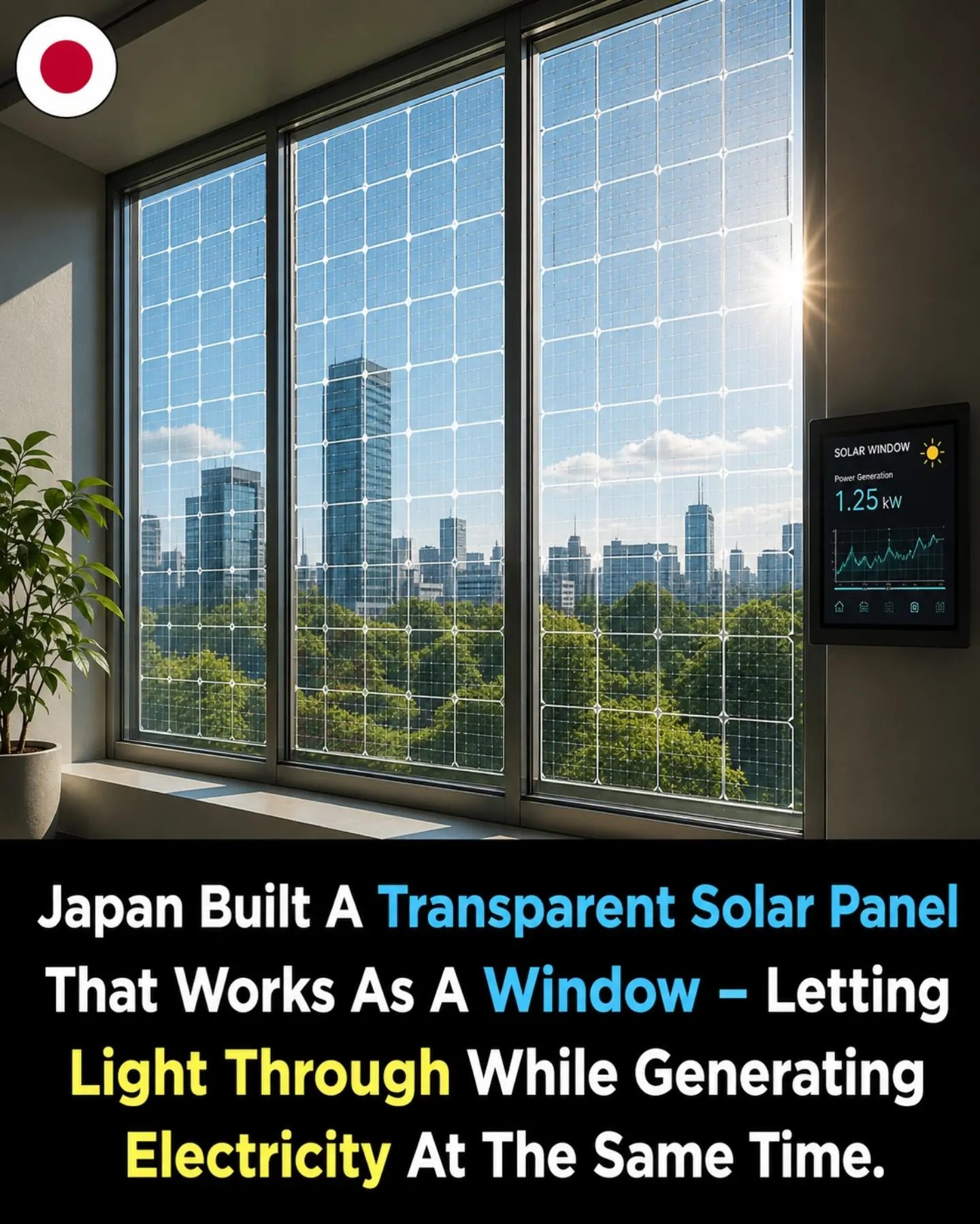
Transparent Solar Panel Windows: The Future of Renewable Energy in Urban Spaces
Transparent solar panel windows are revolutionizing the way we think about renewable energy in urban environments. These innovative windows generate electricity while allowing natural light to pass through, making them an attractive option for modern buildings. Let's explore the technology behind these windows, their benefits, and their potential impact on urban sustainability.
Context / Why this Matters
Integrating renewable energy sources into urban infrastructure is crucial for reducing carbon footprints and promoting sustainable living. Traditional solar panels often struggle with space constraints and aesthetic considerations, making them less viable for densely populated areas. Transparent solar panel windows address these challenges by serving dual purposes: they produce clean energy and act as regular windows, seamlessly blending into the architectural design of buildings.
Main Discussion
The Technology Behind Transparent Solar Panel Windows
Transparent solar panel windows use advanced photovoltaic technology to convert sunlight into electricity. The key innovation lies in the use of semi-transparent materials that allow visible light to pass through while capturing UV and infrared light for energy conversion. This dual functionality makes these windows practical for urban settings where space is limited and aesthetics are important.
The technology is particularly notable in Japan, where a demonstration showcases a transparent solar panel window generating 1.25 kilowatts (kW) of power. This demonstrates the potential for significant energy production from a single window, contributing to the overall energy needs of a building.
How They Work
Transparent solar panel windows operate on the principle of photovoltaic energy conversion. Unlike traditional solar panels, which are opaque and designed to capture as much sunlight as possible, transparent solar panel windows only capture the parts of the light spectrum that are not visible to the human eye. This selective absorption allows the windows to generate electricity without compromising the view or the amount of natural light entering a room.
The technology relies on thin film solar cells that are applied to glass surfaces. These cells are made from materials like perovskite or organic photovoltaics (OPs), which can be tuned to absorb specific wavelengths of light. The resulting electricity can be used to power various appliances within the building or fed back into the grid.
Benefits for Urban Environments
One of the primary benefits of transparent solar panel windows is their ability to integrate seamlessly into existing urban infrastructure. These windows can be installed in both new constructions and retrofitted into existing buildings, making them a versatile option for sustainable energy solutions.
Additionally, transparent solar panel windows offer significant energy savings. By generating electricity on-site, buildings can reduce their dependence on the grid, lowering energy bills and reducing carbon emissions. This decentralized approach to energy production aligns with the growing trend of microgrids and distributed energy systems, which enhance resilience and reliability.
Applications and Future Prospects
The potential applications of transparent solar panel windows are vast. They can be used in residential, commercial, and industrial buildings, providing a consistent source of renewable energy. In densely populated cities, where space for traditional solar panels is limited, these windows offer a practical solution for incorporating renewable energy into the urban landscape.
Moreover, the technology is continually evolving. Research and development efforts are focused on improving the efficiency of transparent solar panel windows, making them more cost-effective and widely accessible. As the technology advances, we can expect to see more buildings equipped with these innovative windows, contributing to a more sustainable future.
Practical Tips
If you're considering installing transparent solar panel windows, here are some practical tips to help you get started:
- Assess Your Energy Needs: Determine how much energy you need to generate and whether transparent solar panel windows can meet those demands. Consult with a renewable energy specialist to assess your building's suitability for this technology.
- Choose the Right Technology: Research the different types of transparent solar panel windows available, including perovskite and OPV-based solutions. Each has its own advantages and disadvantages, so choose the one that best fits your needs.
- Optimize Installation: Ensure that the windows are installed in areas with maximum sunlight exposure to optimize energy production. Consider the orientation and shading of your building when planning the installation.
- Monitor Performance: Regularly monitor the performance of your transparent solar panel windows to ensure they are generating the expected amount of energy. This will help you identify any issues early and make necessary adjustments.
Important Takeaways
Transparent solar panel windows represent a groundbreaking advancement in renewable energy technology. By allowing natural light to pass through while generating electricity, these windows offer a practical solution for incorporating sustainable energy into urban environments.
Key takeaways include:
- Transparent solar panel windows use advanced photovoltaic technology to convert sunlight into electricity.
- They integrate seamlessly into urban infrastructure, making them a versatile option for sustainable energy solutions.
- These windows offer significant energy savings and contribute to reducing carbon emissions.
- The technology is continually evolving, with ongoing research and development efforts focused on improving efficiency and cost-effectiveness.
- Practical considerations include assessing energy needs, choosing the right technology, optimizing installation, and monitoring performance.
Conclusion
Transparent solar panel windows are poised to play a crucial role in the future of urban sustainability. By harnessing the power of the sun while maintaining the functionality of traditional windows, these innovative solutions offer a practical and aesthetically pleasing way to integrate renewable energy into modern buildings. As the technology continues to advance, we can look forward to a future where urban spaces are not only more sustainable but also more resilient and energy-efficient.
Questions readers ask
How do transparent solar panel windows generate electricity?
Transparent solar panel windows generate electricity by converting ultraviolet (UV) and infrared light into electrical power. This process allows the windows to produce up to 1.25 kilowatts of power per window while still allowing visible light to pass through, making them a versatile renewable energy solution for urban areas.
What are the benefits of using transparent solar panel windows in urban spaces?
Transparent solar panel windows offer a dual advantage: they produce renewable energy and allow natural light to enter buildings, ensuring that they remain well-lit. By integrating these windows into the architecture of buildings, cities can reduce their reliance on fossil fuels without compromising on aesthetics or functionality.
Can transparent solar panel windows completely replace traditional solar panels?
While transparent solar panel windows provide a unique advantage by allowing light to pass through, they may not generate as much power as traditional solar panels. Therefore, they are best used as a complementary solution in urban areas where space is limited and aesthetics are important. Traditional solar panels may still be necessary for large-scale energy production.
How do solar windows in Japan contribute to urban sustainability?
Japan has been at the forefront of implementing transparent solar panel windows to enhance urban sustainability. By incorporating these windows into modern buildings, Japan not only generates clean energy but also demonstrates a practical approach to sustainably powering densely populated urban environments, setting a global example.
Are transparent solar panel windows suitable for all types of buildings?
Transparent solar panel windows are ideal for buildings with a significant amount of window space, such as skyscrapers, offices, and commercial spaces. They are less suitable for residential homes or buildings with limited window areas, as the energy generation would be comparatively low. Nonetheless, they offer a practical solution for sustainable energy in urban spaces.
Related deep dives
Similar reads based on topic and creator.

Recent articles
Fresh deep dives from the latest Reels we unpacked.




Comments
Be the first to comment.