Fog-catching Mesh: Reclaiming Water from Thin Air
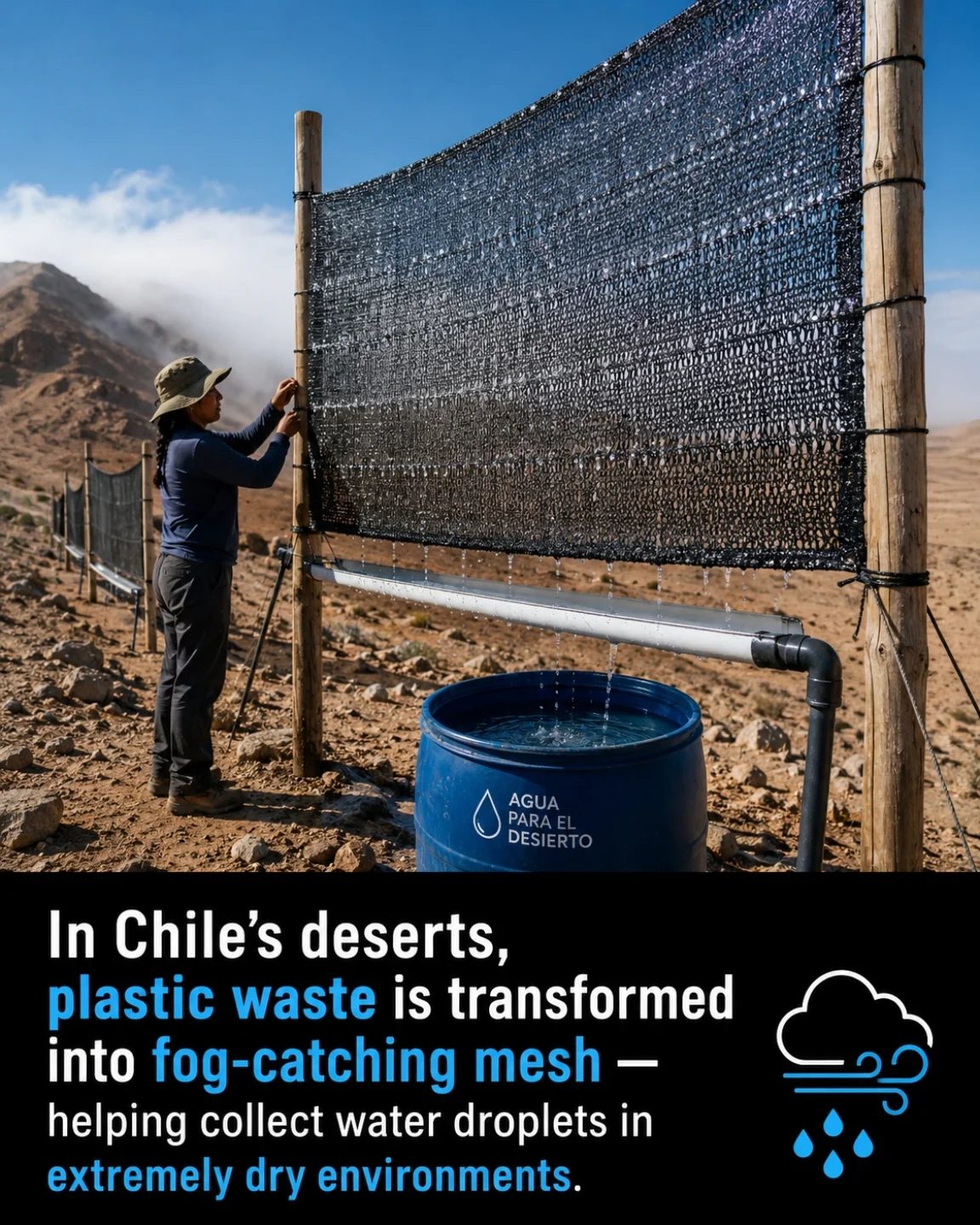
Fog-catching mesh is an innovative environmental technology that transforms plastic waste into a functional resource for capturing water in arid regions. This technology is particularly valuable in extremely dry environments, where traditional water collection methods may fall short. The process involves installing large, specially designed mesh structures that collect water droplets from fog, providing a sustainable solution to water scarcity.
Context / Why This Matters
In regions like Chile's deserts, where water is scarce and plastic waste is abundant, fog-catching mesh offers a dual solution. By repurposing plastic waste, this technology not only helps clean up the environment but also provides a critical water resource. The mesh structures are designed to capture tiny water droplets from fog, which then condense and collect in containers placed at the base of the structures. This collected water can be used for various purposes, from agricultural irrigation to human consumption, making it an essential tool for sustaining life and agriculture in water-scarce areas.
Main Discussion
Environmental Impact
The environmental impact of fog-catching mesh is profound. By repurposing plastic waste, this technology helps reduce environmental pollution. Plastic waste is a significant global issue, and finding ways to repurpose it is crucial for maintaining ecological balance. Additionally, the mesh structures help conserve water, a precious resource, by capturing it directly from the atmosphere. This dual benefit makes fog-catching mesh a valuable tool in the fight against both plastic pollution and water scarcity.
How It Works
Fog-catching mesh works by using large, black mesh structures to capture water droplets from fog. The mesh is designed to be highly efficient, with a large surface area that maximizes the capture of water. The collected water then drips into a container placed at the base of the structure. This process is particularly effective in extremely dry environments, where traditional water collection methods may not be sufficient. The mesh structures are typically installed in areas with high fog frequency, ensuring a steady supply of water.
Agua Para El Desierto
Agua Para El Desierto, which translates to "Water for the Desert," is a project that exemplifies the benefits of fog-catching mesh. Based in Chile's deserts, this project has successfully transformed plastic waste into functional fog-catching mesh. The project not only provides a sustainable water source but also helps clean up the environment by reducing plastic pollution. The blue containers visible at the base of the mesh structures are a testament to the project's success, collecting water that can be used for various purposes.
Practical Applications
The practical applications of fog-catching mesh are vast. In arid regions, where water is scarce, this technology can provide a reliable water source for agriculture, livestock, and human consumption. The collected water can be used to irrigate crops, support livestock, and even supply households and communities. In addition to water collection, the mesh structures can also help reduce soil erosion and improve soil quality. By capturing water droplets from the atmosphere, the mesh helps retain moisture in the soil, promoting healthier ecosystems and more productive agricultural lands.
Practical Tips
Installation and Maintenance
Installing fog-catching mesh involves several steps. First, the location must be chosen carefully, ensuring high fog frequency. The mesh structures should be installed in areas with optimal wind direction and speed to maximize water collection. Regular maintenance is also essential to ensure the structures remain effective. This includes periodic cleaning to remove any debris or dirt that may accumulate on the mesh, as well as checking for any structural damage.
Choosing the Right Mesh
Not all mesh is created equal. The efficiency of fog-catching mesh depends on several factors, including the material used, the size of the mesh, and its design. High-quality, durable materials are essential for ensuring the mesh can withstand the elements and continue capturing water effectively. The size of the mesh should be chosen based on the specific needs and resources available in the area. Additionally, the design of the mesh should be optimized for capturing water, with a large surface area and dense weave to maximize droplet capture.
Maximizing Water Collection
To maximize water collection, it's essential to place the mesh structures in optimal locations. This means choosing areas with high fog frequency and favorable wind conditions. Additionally, the mesh should be installed at the right angle to capture the most water. Regular monitoring and maintenance are also crucial for maximizing water collection. By regularly checking the mesh for any damage or debris and cleaning it as needed, you can ensure that it continues to capture water effectively.
Important Takeaways
Fog-catching mesh is a groundbreaking environmental technology that offers a sustainable solution to water scarcity in arid regions. By repurposing plastic waste into functional mesh structures, this technology helps clean up the environment while providing a critical water resource. The Agua Para El Desierto project in Chile's deserts exemplifies the potential of fog-catching mesh, showcasing how it can transform plastic waste into a valuable resource. The practical applications of this technology are vast, from supporting agriculture to providing drinking water. Proper installation, regular maintenance, and optimal placement are essential for maximizing the benefits of fog-catching mesh. Through innovative technologies like this, we can address the challenges of water scarcity and plastic pollution, paving the way for a more sustainable future.
Questions readers ask
How does fog-catching mesh work in Chile's deserts?
Fog-catching mesh works by using large, specially designed mesh structures to capture water droplets from fog. These structures are positioned in areas with frequent fog, allowing the mesh to collect moisture as the fog passes through. The captured water then drips down into collection systems, providing a sustainable water source in arid regions like Chile's Atacama Desert.
What types of plastic waste can be recycled into fog-catching mesh?
A variety of plastic waste can be recycled into fog-catching mesh. Typically, plastics like PET (polyethylene terephthalate), HDPE (high-density polyethylene), and PP (polypropylene) are suitable for this application. These materials are chosen for their durability and ability to be woven into an effective mesh.
How effective is fog-catching mesh in addressing water scarcity?
Fog-catching mesh can be highly effective in addressing water scarcity, especially in regions where traditional water collection methods are insufficient. In Chile's deserts, this technology has been shown to provide a significant amount of water for local communities and agricultural use, making it a valuable resource in arid environments.
What are the benefits of using fog-catching mesh for water collection?
Fog-catching mesh offers several benefits, including sustainability, cost-effectiveness, and environmental cleanup. By repurposing plastic waste, it reduces environmental pollution while providing a much-needed water resource. Additionally, it operates independently of traditional water infrastructure, making it ideal for remote or underserved areas.
Can fog-catching mesh be used in other desert regions besides Chile?
Yes, fog-catching mesh technology can be applied in other desert regions with similar climatic conditions. Any area with frequent fog and scarce water resources can benefit from this technology. Successful implementations have been observed in various places around the world, demonstrating its versatility and potential for wide-scale adoption.
What maintenance is required for fog-catching mesh systems?
Fog-catching mesh systems require regular maintenance to ensure optimal performance. This includes periodic cleaning to remove dust and debris that can clog the mesh, as well as inspections to check for any damage or wear. Additionally, the collection systems should be regularly emptied to prevent overflow and contamination.
How does fog-catching mesh help the environment beyond water collection?
Beyond water collection, fog-catching mesh helps the environment by repurposing plastic waste. By converting plastic waste into a functional resource, it reduces the amount of waste in landfills and the environment. This not only helps in maintaining environmental cleanliness but also mitigates the negative impacts of plastic pollution on ecosystems.
Related deep dives
Similar reads based on topic and creator.

Recent articles
Fresh deep dives from the latest Reels we unpacked.
Comments
Be the first to comment.