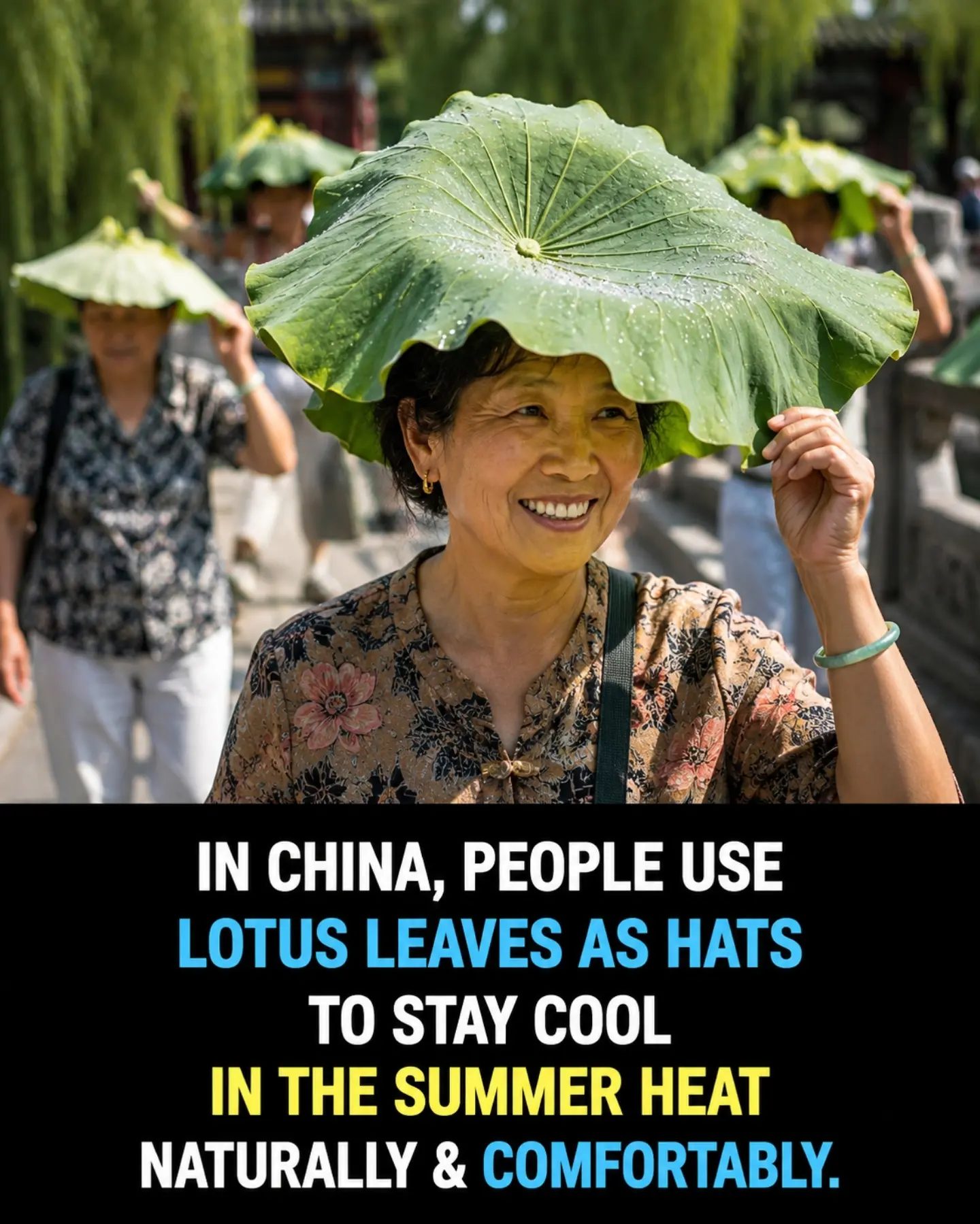
Cultural Practice in China: Using Lotus Leaves as Hats
The practice of using lotus leaves as hats in China offers a fascinating glimpse into traditional cultural adaptations to the summer heat. This method is not only a practical way to stay cool but also a reflection of the deep connection between people and their natural environment.
Why This Matters
In regions with high temperatures, finding effective and sustainable ways to cope with the heat is crucial. The use of lotus leaves as hats in China demonstrates an ingenious use of natural resources. This practice is both environmentally friendly and culturally significant, showcasing how traditional knowledge can offer solutions to modern problems.
Main Discussion
Natural Adaptation
Using lotus leaves as hats is a prime example of natural adaptation. Lotus leaves are large, sturdy, and naturally water repellent, making them an ideal material for creating temporary head coverings. This practice reflects a deep understanding of the local flora and how it can be used to enhance daily life. The leaves provide shade, which helps to keep the head cool and reduces the risk of heatstroke, a common issue in hot climates.
Cultural Significance
The use of lotus leaves as hats is more than just a practical solution; it holds cultural significance. In Chinese culture, lotuses are often associated with purity, enlightenment, and rebirth. By using lotus leaves as hats, people not only stay cool but also embrace a cultural symbol that carries deeper meanings. This practice is a testament to how cultural symbols can be integrated into everyday life, enhancing both practical and symbolic value.
Comfort and Convenience
The lotus leaf hats are not only effective but also comfortable and convenient. The large leaves can be easily detached from the lotus plant and shaped into a hat. This makes them a convenient option for spontaneous use, especially in areas where lotus plants are abundant. The leaves’ natural flexibility allows them to be molded into different shapes to fit various head sizes, ensuring a comfortable fit for everyone.
Practical Tips
While this practice might seem specific to regions where lotus plants are abundant, there are a few takeaways that can be applied universally. Here are some tips inspired by the use of lotus leaves as hats:
Utilize Natural Resources
Look around your environment for natural materials that can be used to create practical items. Whether it's leaves, bamboo, or other plant materials, understanding the properties of local flora can offer sustainable solutions to everyday problems.
Embrace Cultural Practices
Cultural practices often hold wisdom that can enhance daily life. Even if you don't live in a region where lotus leaves are commonly used, consider other natural and cultural practices that might offer similar benefits. Embracing these practices can enrich your life and help you stay connected to your natural surroundings.
Stay Cool Naturally
In hot climates, staying cool is essential. While lotus leaf hats are a unique solution, there are other natural methods to achieve the same goal. Wearing light, breathable clothing, staying in the shade, and using natural fans made from palm leaves or other materials can help keep you cool.
Important Takeaways
The use of lotus leaves as hats in China is a fascinating example of how traditional practices can offer sustainable and effective solutions to modern problems. This practice highlights the importance of understanding and utilizing natural resources, embracing cultural symbols, and finding comfort and convenience in everyday life. By doing this, we can stay connected to our natural surroundings and enhance our daily experiences.
Conclusion
The cultural practice of using lotus leaves as hats in China offers valuable insights into natural adaptation, cultural significance, and practical comfort. This traditional method not only helps people stay cool in the summer heat but also emphasizes the importance of utilizing natural resources and embracing cultural practices. Whether you live in a region where lotus plants are abundant or not, there are always natural and cultural practices that can enrich your life and offer sustainable solutions to everyday problems.
Questions readers ask
What are lotus leaf hats and where are they used?
Lotus leaf hats are traditional Chinese headwear made from lotus leaves, primarily used in regions with hot summers. They are a practical and eco-friendly way to protect against the summer heat, originating from a deep connection between the people and their natural surroundings.
How do lotus leaf hats help with summer cooling?
Lotus leaf hats provide natural cooling by shielding the head and face from direct sunlight. The leaves' porous structure allows for airflow, helping to dissipate body heat. Additionally, the hats are lightweight and breathable, enhancing comfort during hot weather.
What are the benefits of using lotus leaves for summer headwear?
Using lotus leaves for summer hats is beneficial because lotus leaves are abundant in many areas of China, making them a readily available and cost-effective resource. They are biodegradable, reducing waste, and their use supports the preservation of traditional Chinese customs.
What is the cultural significance of lotus leaf hats in China?
Lotus leaf hats hold cultural significance in China as they reflect the interplay between traditional practices and natural adaptation. The lotus plant is also a symbol of purity and enlightenment in Chinese culture, adding layers of meaning to this practical headwear. They are a testament to the resourcefulness and deep cultural heritage of the Chinese people.
How do lotus leaf hats align with eco-friendly practices?
Lotus leaf hats are eco-friendly because they are made from a renewable and locally available resource. They reduce the need for synthetic materials, lowering the carbon footprint. Their biodegradable nature means they can be disposed of with minimal environmental impact, promoting a sustainable lifestyle.
What are some other uses of lotus leaves in China?
Lotus leaves have various uses in China beyond just making hats. They are used in traditional tea ceremonies, wrapped around food for cooking, and can also be used in herbal medicines. Additionally, lotus leaves can be woven into mats and baskets, showcasing their versatility and practicality.
Related deep dives
Similar reads based on topic and creator.




Recent articles
Fresh deep dives from the latest Reels we unpacked.



Comments
Be the first to comment.