Ocean Plastic Pollution
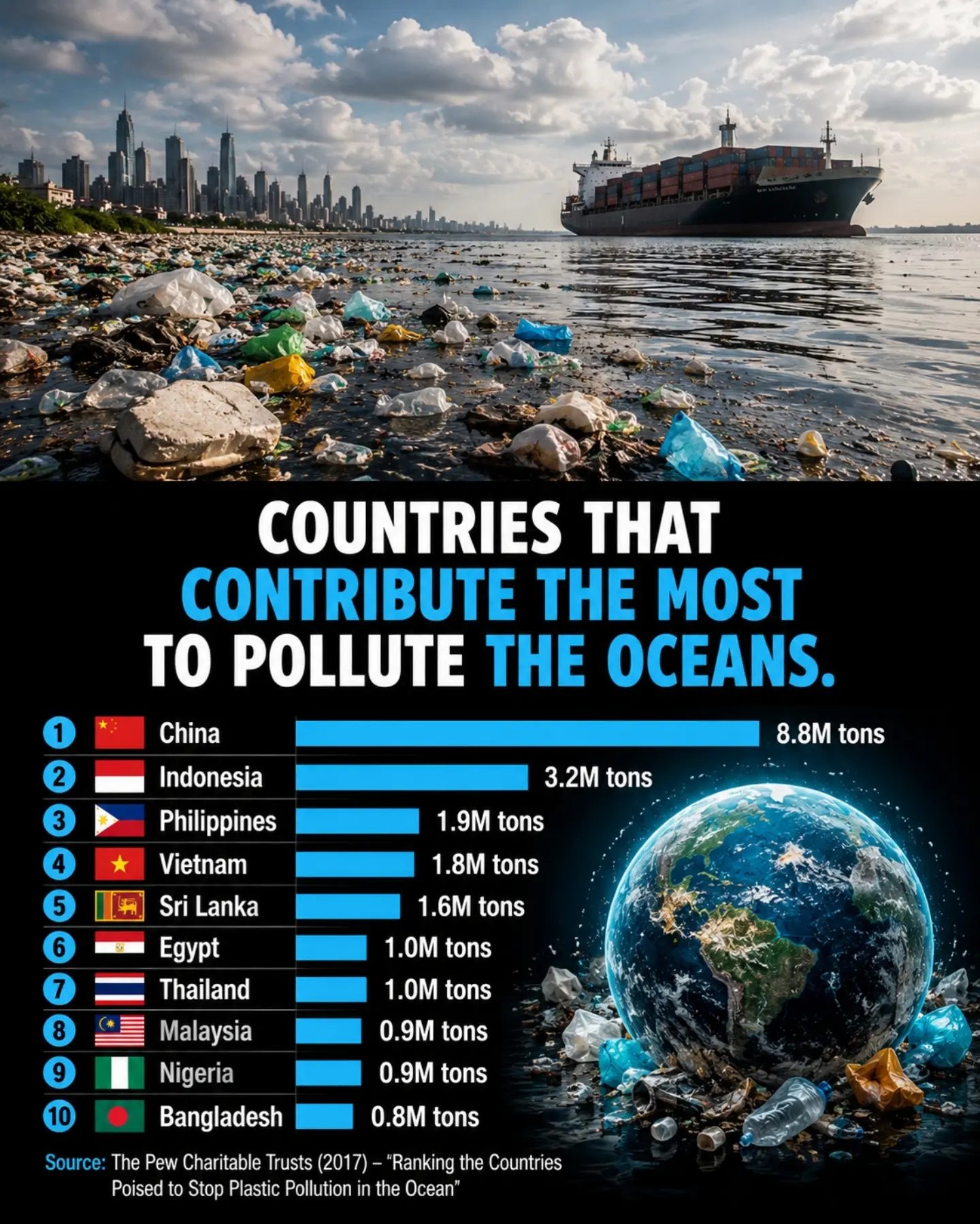
Ocean plastic pollution is a pressing environmental issue, with various countries contributing significantly to the problem. Understanding which nations are the largest contributors is crucial for developing targeted solutions. A recent infographic, sourced from The Pew Charitable Trusts (2017) report, "Ranking the Countries Poised to Stop Plastic Pollution in the Ocean," provides a clear ranking of the top contributors.
Why This Matters
Plastic pollution in the oceans has far-reaching consequences. It threatens marine life, disrupts ecosystems, and poses health risks to humans. By identifying the countries that contribute the most to this problem, we can focus efforts on reducing plastic waste at the source. This involves improving waste management infrastructure, promoting recycling, and educating the public about the impact of plastic use.
Main Discussion
The Top Contributors
China
China tops the list, contributing an alarming 8.8 million tons of plastic waste to the oceans. This significant amount underscores the urgent need for China to implement stricter waste management policies and increase recycling efforts. While China has made some progress in recent years, particularly with its ban on certain plastic imports, there is still much work to be done.
Indonesia
Indonesia follows closely behind China, contributing 3.2 million tons of plastic waste. The country faces challenges with waste management infrastructure, especially in rural areas. Initiatives aimed at improving waste collection and recycling facilities are underway, but more support is needed to tackle this issue effectively.
Other Significant Contributors
Several other countries also make substantial contributions to ocean plastic pollution. The Philippines contributes 1.9 million tons, followed by Vietnam with 1.8 million tons, and Sri Lanka with 1.6 million tons. These countries share similar challenges, including inadequate waste management systems and limited public awareness about the environmental impact of plastic waste.
Egypt, Thailand, and Malaysia each contribute around 1 million tons of plastic waste to the oceans. These nations are also working on improving their waste management practices, but progress has been slow. Bangladesh, contributing 0.8 million tons, faces severe infrastructure challenges and limited resources to address the problem comprehensively.
Addressing the Problem
The infographic highlights the need for a multi-faceted approach to tackle ocean plastic pollution. This includes:
- Improving Waste Management: Investing in better waste collection and recycling infrastructure can significantly reduce the amount of plastic waste that ends up in the oceans.
- Promoting Public Awareness: Educating the public about the dangers of plastic pollution and encouraging sustainable practices can lead to behavioral changes.
- Strengthening Policies: Governments need to implement and enforce stricter policies on plastic use and disposal. This may include bans on single-use plastics and incentives for recycling.
- International Cooperation: Collaboration between countries is essential. Sharing best practices, providing financial and technical support, and coordinating efforts can amplify the impact of individual initiatives.
Success Stories
While the challenges are significant, there are success stories that offer hope. For example:
- Kenya's Plastic Bag Ban: Kenya implemented a comprehensive ban on plastic bags, which has had a noticeable impact on reducing plastic pollution.
- Germany's Recycling Programs: Germany's advanced recycling programs have significantly reduced the amount of plastic waste that ends up in landfills and oceans.
- India's Swachh Bharat Mission: This initiative aims to make India clean and free of waste. It has led to the construction of toilets, waste processing facilities, and other infrastructure to improve sanitation and waste management.
Practical Tips
For Individuals
- Reduce Plastic Use: Opt for reusable bags, water bottles, and containers. Avoid single-use plastics whenever possible.
- Recycle Properly: Learn about local recycling programs and ensure you are recycling correctly. Some recycling centers may not accept certain types of plastics, so it's essential to check.
- Participate in Clean-Up Efforts: Join local beach clean-ups or organize your own. Community involvement can make a significant difference.
For Communities
- Advocate for Change: Encourage local authorities to invest in waste management infrastructure and promote recycling initiatives.
- Organize Awareness Campaigns: Host events or workshops to educate the public about plastic pollution and its impact.
- Support Local Recycling Programs: Partner with local recycling centers to increase recycling rates and promote sustainable practices.
For Governments
- Create and Enforce Policies: Implement strict regulations on plastic use and disposal. Provide incentives for businesses and individuals to recycle.
- Invest in Infrastructure: Allocate funds to build and maintain waste management facilities and recycling centers.
- Collaborate Internationally: Work with other countries to share resources, knowledge, and best practices for tackling plastic pollution.
Important Takeaways
- Identifying the top contributors to ocean plastic pollution is the first step in addressing the problem.
- China, Indonesia, the Philippines, Vietnam, and Sri Lanka are among the largest contributors, each facing unique challenges.
- Improving waste management, promoting public awareness, and strengthening policies are key to reducing plastic waste.
- International cooperation and sharing best practices can amplify the impact of individual efforts.
Conclusion
Ocean plastic pollution is a complex issue that requires a concerted effort from individuals, communities, and governments. By understanding the countries that contribute the most to this problem, we can target our efforts more effectively. From improving waste management infrastructure to promoting public awareness and enforcing stricter policies, there are numerous steps we can take to reduce plastic pollution. By working together and sharing best practices, we can make a significant difference in protecting our oceans for future generations.
Questions readers ask
Which countries are the top contributors to ocean plastic pollution?
The top contributors to ocean plastic pollution include countries like China, Indonesia, and the Philippines. These nations are significant sources of plastic waste that ends up in the ocean, contributing to the global plastic pollution problem.
How does plastic pollution affect marine life?
Plastic pollution in the ocean poses significant threats to marine life. Ingestion of plastic debris by animals can cause injury or death. Entanglement in plastic waste can also impede mobility and growth, leading to serious health issues or mortality.
What are some effective ways to reduce plastic waste in the ocean?
Reducing plastic waste in the ocean involves improving waste management infrastructure and policies in the top polluting countries. This includes investing in better recycling systems, promoting public awareness, and implementing stricter regulations on plastic production and use.
Why is it important to target specific countries for plastic pollution reduction?
Targeting specific countries for plastic pollution reduction is crucial because it allows for focused efforts and resource allocation. By addressing the top contributors, we can significantly decrease the overall amount of plastic entering the oceans, thereby mitigating the impact on marine ecosystems and human health.
How much plastic is currently in the ocean?
The exact amount of plastic in the ocean is difficult to quantify due to its widespread distribution and constant addition. However, estimates suggest that millions of metric tons of plastic waste enter the oceans annually, with a significant portion accumulating in various forms, from microplastics to large debris.
What role do international efforts play in reducing ocean plastic pollution?
International efforts are vital for addressing ocean plastic pollution as the problem transcends national borders. Collaborations, such as those facilitated by The Pew Charitable Trusts, help identify key contributors and develop global strategies to reduce plastic waste at the source.
Related deep dives
Similar reads based on topic and creator.




Recent articles
Fresh deep dives from the latest Reels we unpacked.



Comments
Be the first to comment.