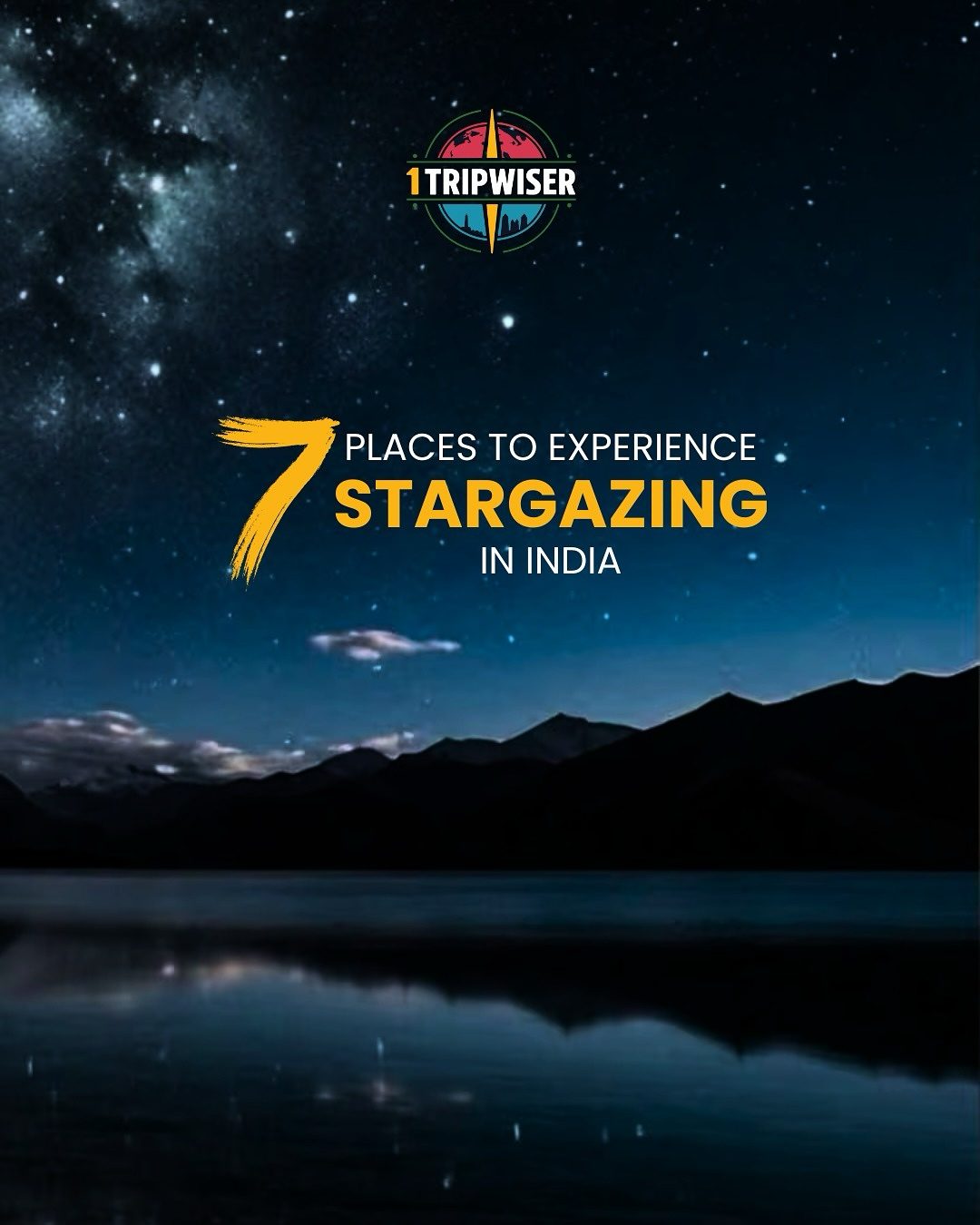
Stargazing in India
India, a land of diverse landscapes and rich cultural heritage, offers some of the most breathtaking spots for stargazing. From the vast salt deserts of Gujarat to the high-altitude lakes of Ladakh, and the rolling hills of Tamil Nadu, the night sky in India is a celestial wonder waiting to be explored.
Why this matters
Stargazing is more than just a hobby; it's a journey into the vastness of the universe. Whether you're an astronomy enthusiast or simply someone who enjoys the tranquility of the night sky, India provides a unique blend of natural beauty and celestial wonder. This makes it an ideal destination for those seeking to connect with the cosmos. For travel enthusiasts, planning a trip around the best stargazing spots can add a magical dimension to your journey.
Best places for stargazing in India
Rann of Kutch, Gujarat
The Great Rann of Kutch, a sprawling salt marsh in the Thar Desert, is one of India's most iconic landscapes. The vast, flat terrain makes it an ideal location for stargazing. The lack of light pollution, coupled with the serene desert environment, offers an unobstructed view of the night sky. The best time to visit is from November to February when the weather is mild and the skies are clear.
Pangong Tso, Ladakh
Nestled in the high-altitude Ladakh region, Pangong Tso is a pristine, high-altitude lake that stretches across the India-China border. The lake's altitude and remote location make it one of the best places for stargazing, with minimal light pollution. The clear skies of Ladakh, especially from May to September, offer a breathtaking view of the stars and the Milky Way.
Kodaikanal, Tamil Nadu
Known as the "Princess of Hill Stations," Kodaikanal in Tamil Nadu is a picturesque hill station surrounded by lush forests and rolling hills. The city's high altitude and clear skies, especially from October to March, make it a perfect spot for stargazing. The cool, crisp air and the absence of light pollution ensure a pristine night sky, making it a favorite among astronomy enthusiasts.
Practical tips
-
Check the Weather: Always check the weather forecast before planning your stargazing trip. Clear skies are essential for optimal stargazing conditions.
-
Avoid Light Pollution: Choose locations that are far from cities and towns to avoid light pollution. Remote areas like the Rann of Kutch and Pangong Tso offer the best conditions.
-
Bring the Right Equipment: A good pair of binoculars or a telescope can enhance your stargazing experience. Don't forget to bring a star chart or a stargazing app to help you identify constellations and planets.
-
Wear Warm Clothes: Nights can be chilly, especially in high-altitude locations like Ladakh and Kodaikanal. Dress in layers to stay warm.
-
Stay Safe: If you're traveling to remote areas, ensure you have the necessary permits and safety equipment. It's also a good idea to travel with a guide or group.
Important takeaways
Stargazing in India is an experience that combines natural beauty with celestial wonder. From the vast salt marshes of the Rann of Kutch to the high-altitude lakes of Ladakh and the serene hills of Kodaikanal, each location offers a unique perspective on the night sky. With the right planning and equipment, anyone can enjoy this magical experience. Whether you're a seasoned astronomer or a casual stargazer, India's diverse landscapes provide the perfect backdrop for a night under the stars.
Conclusion
The night sky in India is a canvas of celestial beauty, and the best way to appreciate it is by visiting some of the country's most stunning locations. From the serene Rann of Kutch to the high-altitude Pangong Tso and the picturesque Kodaikanal, each spot offers a unique stargazing experience. By planning your trip around the right time of year and bringing the necessary equipment, you can make the most of these magical nights. So, whether you're a travel enthusiast or an astronomy buff, India's night sky is waiting to be explored.
Questions readers ask
What makes India an ideal destination for stargazing?
India's diverse landscapes, ranging from deserts to high-altitude lakes and rolling hills, provide unique opportunities for stargazing. The country's diverse geography offers clear skies and minimal light pollution, making it perfect for both casual observers and astronomy enthusiasts.
When is the best time to go stargazing in India?
The best time for stargazing in India is typically during the winter months, from October to March. During this period, the weather is generally clear, and the nights are cooler, providing optimal conditions for observing the night sky. Additionally, the monsoon season should be avoided as it can obstruct visibility.
What are some of the best spots for stargazing in India?
Some of the top spots for stargazing in India include the Rann of Kutch in Gujarat, Pangong Tso in Ladakh, Kodaikanal in Tamil Nadu, and Munsiyari in Uttarakhand. These locations are known for their clear skies, minimal light pollution, and stunning natural beauty, making them ideal for both casual and serious stargazers.
Can I see the Milky Way from these stargazing spots in India?
Yes, many of the top stargazing spots in India offer excellent views of the Milky Way, especially during the summer months when the galaxy is more visible. Locations like the Rann of Kutch and Pangong Tso are renowned for their clear skies and minimal light pollution, making them perfect for viewing the Milky Way.
Are there any guided stargazing tours available in India?
Yes, there are several guided stargazing tours available in India. These tours are often led by experienced astronomers and can enhance your stargazing experience by providing insights into the constellations and celestial events. Many of these tours are available at popular stargazing destinations and can be booked in advance.
What should I bring for a stargazing trip in India?
For a stargazing trip in India, it's essential to bring a good-quality telescope or binoculars, a star chart or astronomy app, warm clothing, and a comfortable blanket or mat. Additionally, a flashlight with a red filter can help preserve your night vision while navigating in the dark. Don't forget to check weather conditions and pack accordingly.
Related deep dives
Similar reads based on topic and creator.


Recent articles
Fresh deep dives from the latest Reels we unpacked.



Comments
Be the first to comment.