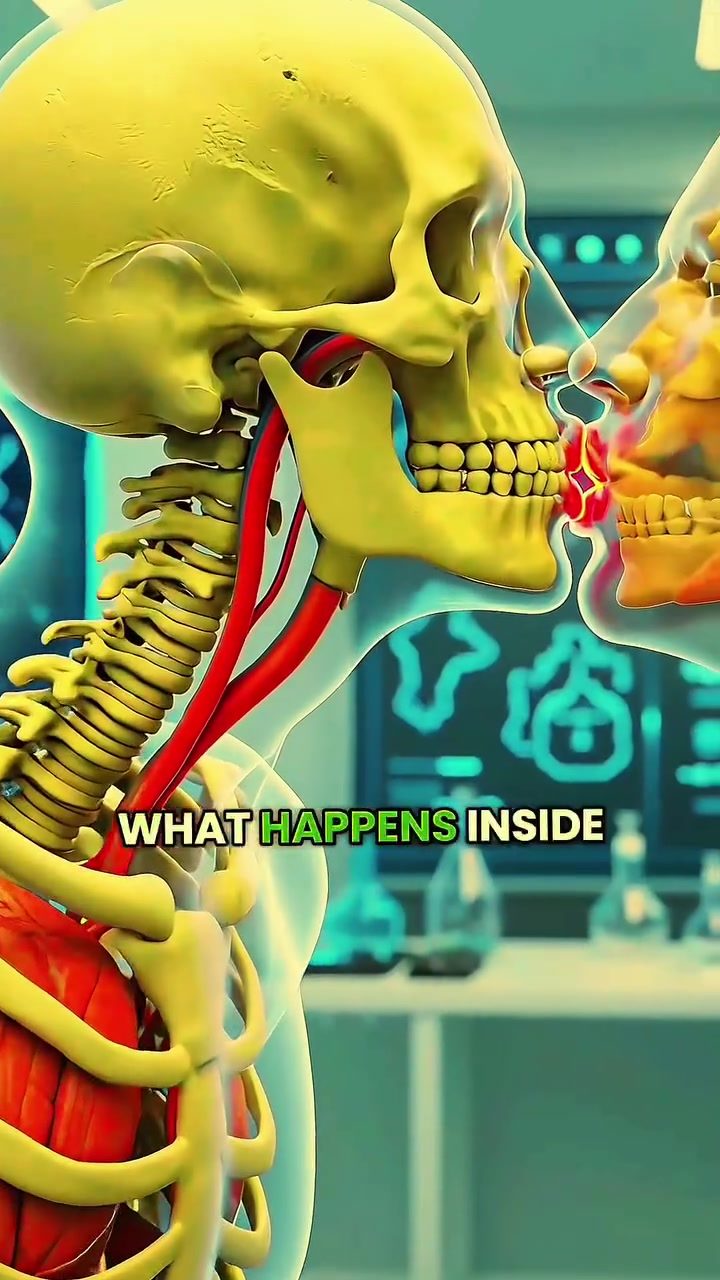
Kissing and Your Body: What Happens Inside
When you kiss someone deeply, a multitude of physiological reactions occur inside your body. These reactions are often more profound and immediate than one might imagine. Kissing isn't just a romantic or affectionate gesture; it's a complex biological interaction that triggers a cascade of hormones, antibodies, and other substances that can influence your health and well-being.
Why This Matters
Understanding the biological effects of kissing can provide insights into how our bodies respond to intimate human contact. This knowledge can empower individuals to make informed decisions about their health and relationships, fostering a deeper appreciation for the intricate mechanisms at play during a kiss.
Main Discussion
Hormonal Changes
One of the most immediate effects of a deep kiss is the release of oxytocin and dopamine. These hormones are often referred to as the "love and happiness" hormones. Oxytocin is associated with feelings of trust, bonding, and relaxation, while dopamine is linked to pleasure and reward. When you kiss someone deeply, these hormones flood your brain, creating a natural high that can be stronger than any drug. This hormonal response melts stress in seconds, providing a powerful mood boost and a sense of well-being.
Immune System Boost
The saliva exchanged during a kiss is loaded with antibodies and enzymes. These biological components supercharge your immune system from the inside, making you more resistant to common colds and infections. This immune-boosting effect is one of the fascinating benefits of kissing, highlighting how it can contribute to overall health and resilience.
Cardiovascular Response
A deep kiss can also have significant effects on your cardiovascular system. During a passionate kiss, your heart rate spikes and then drops beautifully, providing a brief but intense cardiovascular workout. This sudden change in heart rate can improve circulation and lower blood pressure, acting as a natural cardio workout for your arteries. The improved blood flow and lowered blood pressure contribute to better cardiovascular health.
Potential Risks and Toxins
While kissing offers numerous benefits, it also comes with potential risks. Viruses such as herpes, HPV, and mono can be transmitted through deep kissing. Some people may be carriers of these viruses without showing any symptoms, making it difficult to know if a partner is infected. One deep kiss can potentially give you lifelong herpes or other infections, so it’s crucial to be cautious and aware of your partner’s health status.
Additionally, if the person you're kissing has poor oral hygiene, or a mouth that tastes or smells bad, you're likely swallowing toxins and harmful substances. These can include residues from cigarettes, alcohol, or bacteria. Maintaining good oral health and being mindful of your partner's hygiene can mitigate these risks.
Practical Tips
Ensure Good Oral Hygiene
Maintaining good oral hygiene is essential for both you and your partner. Regular brushing, flossing, and using mouthwash can help minimize the buildup of bacteria and toxins in the mouth, making kisses safer and more pleasant. If you or your partner smoke, quitting can significantly reduce the risk of transmitting harmful substances and improve overall health.
Know Your Partner’s Health Status
Being aware of your partner's health status is crucial. If you or your partner have any known infections like herpes or HPV, it's important to take precautions or avoid kissing until the infection is treated. Regular health check-ups and open communication about health status can help prevent the transmission of viruses.
Be Mindful of Your Partner’s Habits
Pay attention to your partner's habits and lifestyle choices. If they consume alcohol or tobacco, these substances can leave harmful residues in the mouth, potentially affecting your health. Being mindful of these factors can help you make informed decisions about your relationships.
Important Takeaways
Kissing is a multifaceted experience that involves a complex interplay of hormones, antibodies, and other biological components. While it can provide significant health benefits, including stress relief, immune system boosts, and cardiovascular improvements, it also carries potential risks. Being aware of these effects and taking practical steps to mitigate risks can enhance the overall experience and contribute to better health.
Conclusion
In conclusion, kissing is more than just a romantic act; it's a biological process that affects various aspects of your health. From the release of happiness hormones to the exchange of antibodies, every kiss is a concentrated cocktail of biological interactions. By understanding these processes and taking practical steps to mitigate risks, you can enjoy the benefits of kissing while maintaining good health and well-being. Whether it's for love, affection, or pleasure, knowing what happens inside your body during a kiss can deepen your appreciation for this intimate act.
Questions readers ask
What specific hormones are released when you kiss deeply, and how do they affect your body?
When you kiss deeply, your body releases a mix of hormones, primarily oxytocin and dopamine. Oxytocin, often called the 'love hormone,' promotes bonding and trust. Dopamine, on the other hand, is associated with pleasure and reward, enhancing your mood and creating a sense of euphoria. These hormones work together to reduce stress and anxiety, contributing to an overall sense of well-being.
How does kissing impact your immune system?
Kissing can bolster your immune system by facilitating the exchange of antibodies. When you kiss, you transfer beneficial microbes and antibodies to your partner, and vice versa. This exchange helps your immune system recognize and fight off a wider range of pathogens, potentially increasing your resistance to illnesses, though this benefit is still being researched and understood.
What are the benefits of kissing for stress relief?
Kissing can be a powerful stress reliever. The physical act of kissing, along with the release of hormones like oxytocin, can lower your heart rate and blood pressure, promoting a state of relaxation. Additionally, the emotional connection fostered by kissing can provide a sense of comfort and security, further reducing stress levels.
Can kissing help transmit diseases, and if so, which ones are most commonly associated with kissing?
While kissing is generally safe, it can transmit certain illnesses, though the risk is relatively low. The most commonly associated disease is the herpes simplex virus (HSV), which can cause cold sores. Other infections, such as mononucleosis and meningitis, can also be transmitted through kissing, but the likelihood is significantly lower. Regular health check-ups and being aware of your partner's health can mitigate these risks.
What is the significance of enzyme exchange during a kiss, and how does it affect your health?
During a kiss, especially a deep one, there is an exchange of enzymes and other substances that can influence your health. This exchange can introduce new beneficial bacteria to your oral microbiome, which can enhance your overall health and immunity. Additionally, the exchange of enzymes can trigger various physiological responses, contributing to the overall health benefits of kissing.
What are the physiological effects of kissing on your body?
The physiological effects of kissing are numerous and immediate. Your heart rate increases, blood flow improves, and muscles relax. The release of hormones like oxytocin and dopamine affects your mood, while the exchange of antibodies and enzymes can enhance your immune system. Overall, kissing provides a complex biological interaction that can significantly impact your health and well-being.
What are the best techniques for a deep, beneficial kiss?
To ensure a deep, beneficial kiss, focus on maintaining physical and emotional connection. Start with gentle, slow kisses, gradually increasing intensity. Use your lips and tongue to explore each other's mouths. Pay attention to your partner's responses, and adjust your technique to enhance pleasure and intimacy. This approach ensures a mutually satisfying experience and maximizes the physiological benefits of kissing.
Related deep dives
Similar reads based on topic and creator.
Recent articles
Fresh deep dives from the latest Reels we unpacked.




Comments
Be the first to comment.