Biodegradable Packaging in Thailand
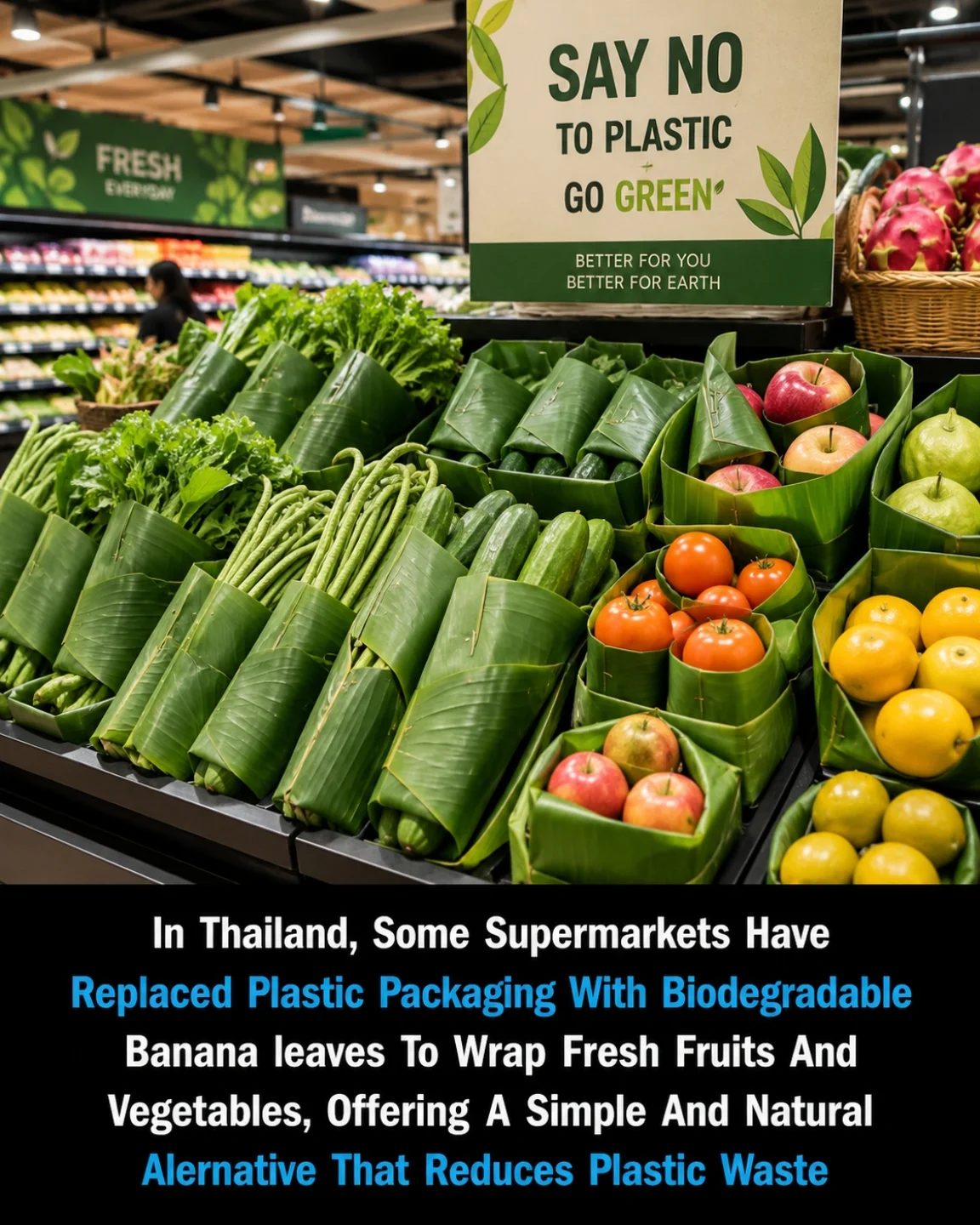
In the heart of Thailand, supermarkets have begun experimenting with an ingenious and eco-friendly solution for packaging: the use of banana leaves instead of traditional plastic. This innovative approach is not just a trend but a practical step towards reducing plastic waste and its environmental impact.
Why This Matters
Plastic waste has become a pressing global issue, with its long-lasting effects on the environment and wildlife. The excessive use of plastic in packaging has led to widespread pollution, harming marine life and ecosystems. The initiative in Thailand to use banana leaves for wrapping fruits and vegetables is a significant move towards addressing this problem. By adopting biodegradable alternatives, we can significantly decrease our dependence on plastic, making our daily choices more sustainable.
Main Discussion
The Natural Alternative
Banana leaves are an excellent substitute for plastic packaging due to their natural biodegradability. Unlike plastic, which can take hundreds of years to decompose, banana leaves break down quickly and naturally. This makes them an ideal choice for wrapping fresh produce, as they not only reduce waste but also maintain the freshness of the fruits and vegetables.
Environmental Benefits
The shift to banana leaves offers several environmental benefits. Firstly, it helps in reducing the amount of plastic waste that ends up in landfills and oceans. Secondly, banana leaves are a renewable resource, as they can be easily sourced from banana plantations, which are abundant in Thailand. This sustainability factor makes the transition from plastic to banana leaves not only environmentally beneficial but also economically viable.
Aesthetic and Practical Appeal
Besides their environmental advantages, banana leaves add an aesthetic appeal to the produce. The neat arrangement of banana leaves around tomatoes, bananas, and other fruits creates an attractive and natural display. This visual appeal can enhance the shopping experience, making consumers more inclined to choose eco-friendly options.
Community and Cultural Significance
Thailand's initiative to use banana leaves for packaging also carries cultural significance. Banana leaves have been a traditional part of Thai cuisine and culture, often used for serving food and wrapping presents. By incorporating them into modern packaging, Thailand is preserving its cultural heritage while promoting sustainability.
Practical Tips
If you're inspired by this initiative and want to adopt similar eco-friendly practices, here are some practical tips:
-
Source Local and Natural Materials: Look for natural, biodegradable materials that are readily available in your region. Consider materials like banana leaves, cornstarch-based packaging, or even paper bags.
-
Advocate for Change: Encourage local restaurants, supermarkets, and vendors to switch to eco-friendly packaging. A collective effort can lead to significant change.
-
Practice Mindful Shopping: Whenever possible, opt for items with minimal or no packaging. Bring your own reusable bags and containers to reduce waste.
Important Takeaways
-
Biodegradable packaging, such as banana leaves, offers a practical and sustainable alternative to plastic.
-
Reducing plastic waste is crucial for environmental conservation and can be achieved through simple, everyday choices.
-
Natural materials like banana leaves are not only eco-friendly but also add an aesthetic appeal to products.
-
Initiatives like Thailand's can serve as a model for other regions to adopt more sustainable practices.
Conclusion
In Thailand, the use of banana leaves for packaging fresh produce is more than just a trend; it's a step towards a more sustainable future. By embracing natural, biodegradable materials, we can reduce plastic waste and lessen our environmental footprint. This initiative is a reminder that small changes can make a big difference, and it's up to us to choose a path that's better for ourselves and the planet.
Questions readers ask
Why are Thai supermarkets switching from plastic to banana leaves?
Thai supermarkets are making this change to reduce plastic waste and combat plastic pollution. Banana leaves are a biodegradable alternative to conventional plastic packaging, making them an eco-friendly option.
How do banana leaves help in reducing plastic waste?
Banana leaves are biodegradable, which means they break down naturally over time, unlike plastic. By using banana leaves for wrapping fruits and vegetables, supermarkets are reducing the amount of non-biodegradable waste that ends up in landfills and oceans.
Are banana leaves a practical solution for packaging?
Yes, banana leaves are not only eco-friendly but also practical. Thailand's supermarkets have found that banana leaves can effectively wrap fresh produce, keeping it fresh while eliminating the need for plastic packaging.
What is the environmental impact of using plastic for packaging?
Plastic packaging has significant negative environmental impacts, including pollution of marine life and ecosystems. It takes hundreds of years to decompose, leading to long-lasting environmental harm.
Can banana leaves be used for all types of food packaging?
While banana leaves are a great solution for wrapping fresh produce, their use might be limited to certain types of food. They are best suited for items that do not require airtight sealing or refrigeration.
How do supermarkets ensure the quality of produce wrapped in banana leaves?
Supermarkets in Thailand ensure the quality of produce by selecting fresh, unblemished banana leaves and wrapping them carefully around the produce. This helps to maintain freshness and presentation, similar to traditional plastic packaging.
Related deep dives
Similar reads based on topic and creator.



Recent articles
Fresh deep dives from the latest Reels we unpacked.



Comments
Be the first to comment.