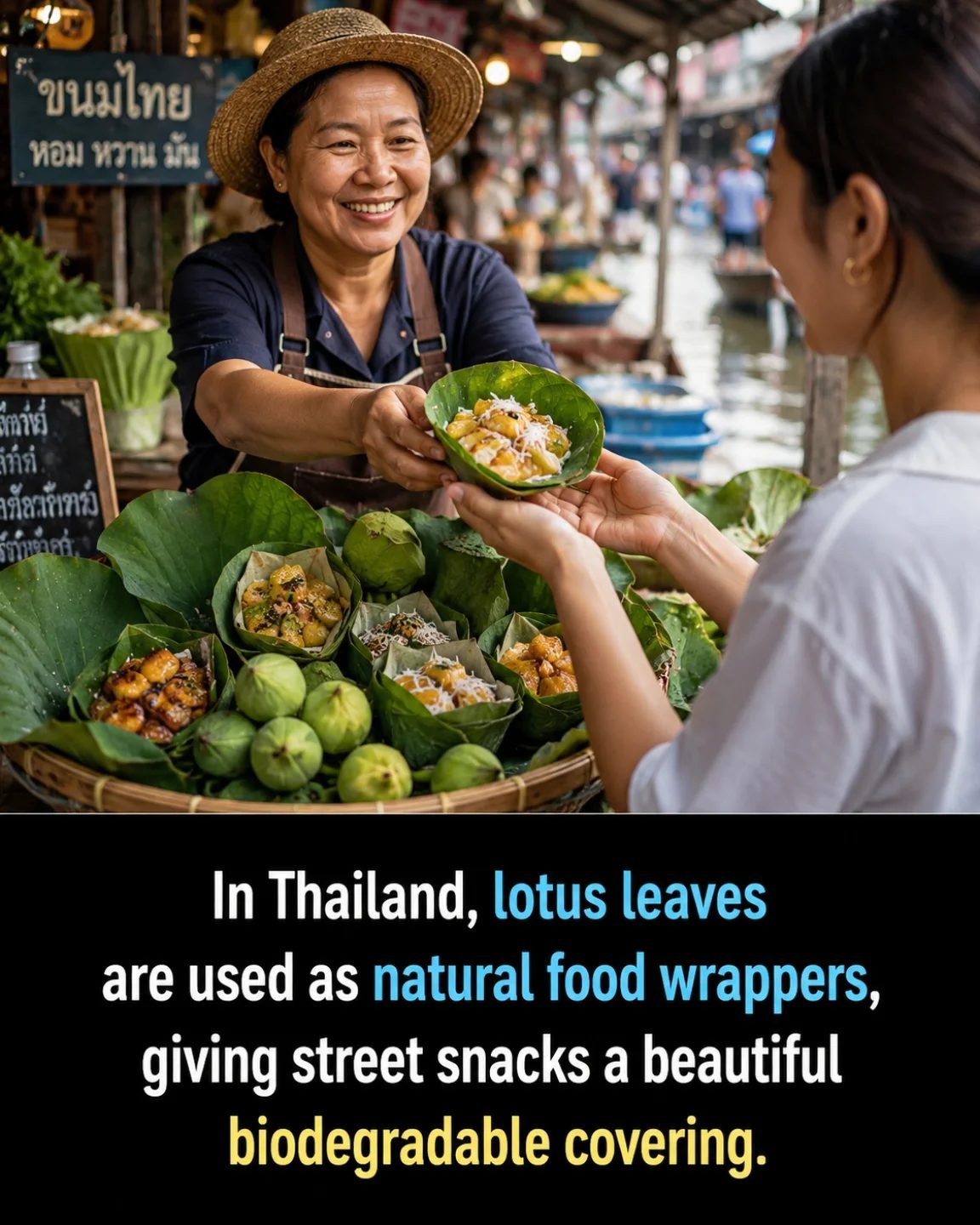
Thai Street Food
Thailand is renowned for its vibrant street food culture, where the sights, smells, and flavors create an unforgettable culinary experience. Among the many unique elements that make Thai street food special is the use of lotus leaves as natural and biodegradable wrappers. This practice, deeply rooted in Thai tradition, adds a layer of authenticity and sustainability to the street food scene. Let's delve into the significance of lotus leaves in Thai street food and explore their environmental benefits.
Context / Why this matters
The use of lotus leaves in Thai street food is more than just a culinary choice; it's a reflection of the country's rich cultural heritage and commitment to sustainability. In a world increasingly concerned with environmental impact, the biodegradable nature of lotus leaves stands as a testament to how traditional practices can align with modern ecological values.
Main discussion
The Role of Lotus Leaves in Thai Cuisine
Lotus leaves have long been a part of Thai cuisine, not just as a wrapper but also as a flavor enhancer. The leaves impart a subtle, aromatic flavor to the food they wrap, enhancing the overall taste experience. This practice is not just limited to street food; lotus leaves are also used in high-end Thai restaurants to wrap delicate dishes, showcasing their versatility and cultural significance.
Aesthetic Appeal
Beyond their functional benefits, lotus leaves also add a visual appeal to street snacks. The deep green color and beautiful texture of the leaves create an eye-catching contrast against the vibrant colors of Thai street food. This aesthetic element is an important aspect of Thai food culture, where presentation is as important as taste.
Sustainability and Eco-Friendliness
One of the most significant benefits of using lotus leaves as food wrappers is their biodegradability. Unlike plastic or foil wrappers, lotus leaves can be composted, reducing waste and minimizing environmental impact. This eco-friendly practice is a natural fit for Thailand, a country that is increasingly focusing on sustainable living.
Health Benefits
Lotus leaves are not just environmentally friendly; they also offer health benefits. Rich in antioxidants, lotus leaves are believed to have anti-inflammatory properties and can help in digestion. When used as wrappers, they provide a natural, chemical-free barrier that can enhance the nutritional value of the food.
Cultural Significance
The use of lotus leaves in Thai street food is deeply rooted in the country's cultural heritage. Lotus leaves have been a part of Thai cuisine for centuries, and their use in street food is a testament to the enduring nature of traditional practices. This practice also reflects the Thai people's deep connection to nature, where natural elements are seamlessly integrated into daily life.
Practical tips
Where to Find Lotus Leaf-Wrapped Dishes
If you're planning a trip to Thailand, look for street food vendors who use lotus leaves. These vendors are often found in bustling markets and street corners, and their dishes are as delicious as they are eco-friendly. Some popular lotus leaf-wrapped dishes include:
- Lotus Leaf-Wrapped Sticky Rice: A sweet and savory delight, often filled with coconut cream and mung beans.
- Lotus Leaf-Wrapped Chicken: A fragrant and tender dish, often served with a spicy dipping sauce.
- Lotus Leaf-Wrapped Duck: A flavorful and aromatic dish, often served with a sweet and sour sauce.
How to Incorporate Lotus Leaves into Your Cooking
If you're interested in incorporating lotus leaves into your cooking at home, you can follow these tips:
- Source Fresh Lotus Leaves: Look for fresh, organic lotus leaves from a local market or specialty store.
- Prepare the Leaves: Rinse the leaves thoroughly and pat them dry. You can steam or blanch them briefly to make them more pliable.
- Wrapping Techniques: Use the large leaves to wrap your favorite fillings. Ensure the leaves are securely wrapped to retain the flavors and juices.
- Cooking Methods: Lotus leaves can be used for both cooking and serving. You can steam, bake, or grill the wrapped dishes, depending on your recipe.
Important takeaways
- Cultural Heritage: Lotus leaves are an integral part of Thai food culture, reflecting the country's deep connection to nature.
- Sustainability: Using lotus leaves as wrappers is an eco-friendly practice that reduces waste.
- Health Benefits: Lotus leaves offer health benefits, including anti-inflammatory properties and improved digestion.
- Versatility: Lotus leaves can be used in a variety of dishes, from street food to high-end restaurant cuisine.
Conclusion
The use of lotus leaves as natural and biodegradable wrappers for street food in Thailand is a practice that beautifully blends cultural heritage, sustainability, and culinary expertise. This tradition not only enhances the aesthetic appeal and flavor of street snacks but also contributes to a more environmentally friendly food culture. Whether you're a food enthusiast or an eco-conscious consumer, the practice of using lotus leaves in Thai street food is a compelling example of how traditional practices can harmonize with modern values.
Questions readers ask
What makes lotus leaves a sustainable choice for Thai street food?
Lotus leaves are a sustainable choice for Thai street food because they are natural, biodegradable, and renewable. Unlike plastic or foil, they do not contribute to environmental waste and can be composted after use. This aligns with Thailand's commitment to reducing waste and promoting eco-friendly practices.
How do lotus leaves enhance the flavors of Thai street food?
Lotus leaves impart a subtle, aromatic flavor that complements the ingredients they wrap. This adds to the authenticity of the dining experience. Additionally, the leaves' natural oils can help to infuse the food with a rich, fragrant taste.
What are some popular Thai street food dishes wrapped in lotus leaves?
Some popular Thai street food dishes wrapped in lotus leaves include 'Tam Khanun,' a fragrant mixture of sticky rice, coconut, and sweetened roasted peanuts, as well as various Thai spices and curry dishes. These dishes are often served at street food vendors and markets, offering a unique culinary experience.
How do Thai street food vendors use lotus leaves?
Thai street food vendors use lotus leaves as natural and biodegradable wrappers for various dishes. Before use, the leaves are typically cleaned, softened by briefly dipping in hot water, and then used to wrap a variety of foodstuffs. This not only helps to maintain food freshness but also adds a distinctive flavor.
Related deep dives
Similar reads based on topic and creator.




Recent articles
Fresh deep dives from the latest Reels we unpacked.




Comments
Be the first to comment.