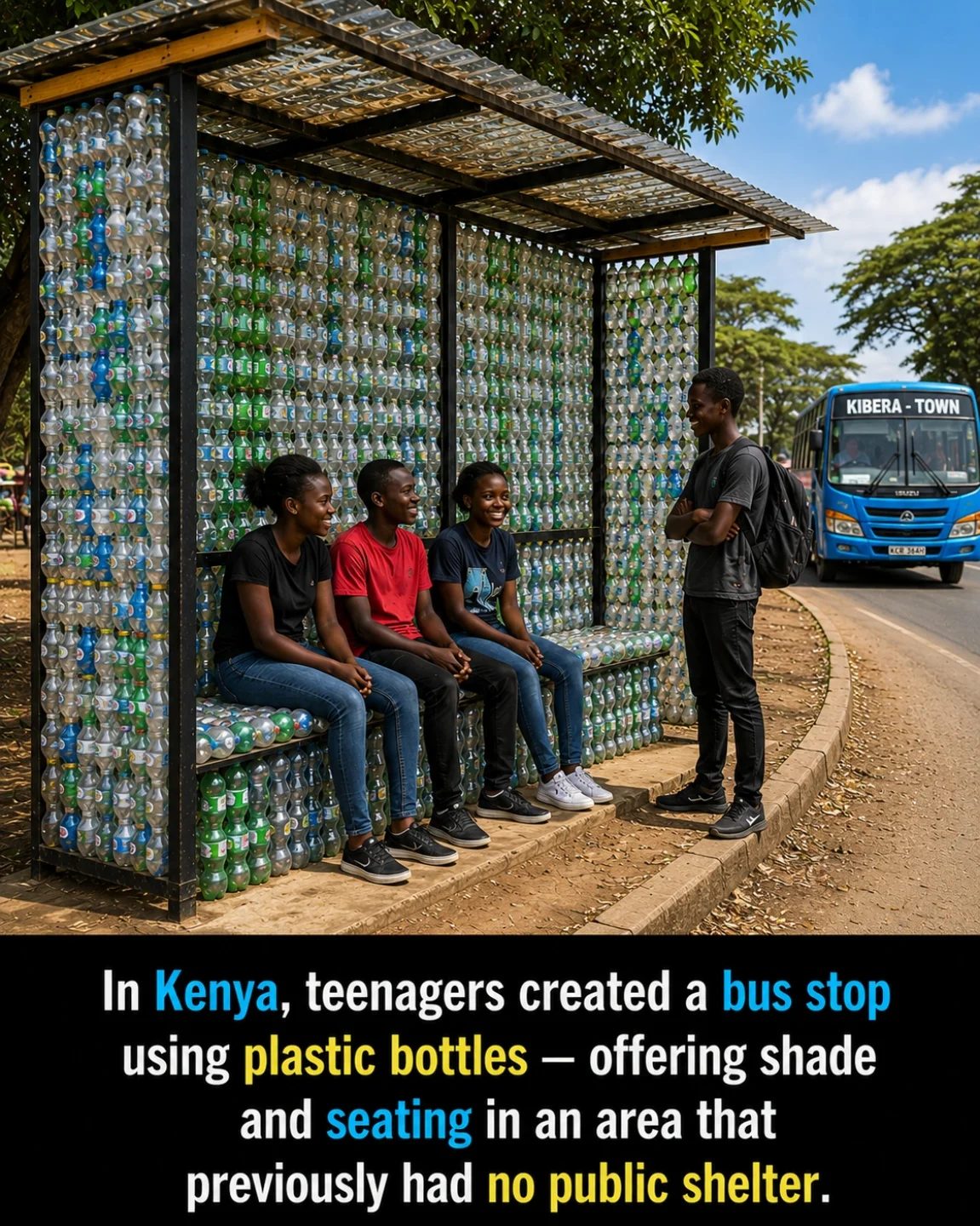
A Unique Bus Stop in Kenya Built from Recycled Plastic Bottles
Public transportation hubs are essential for daily commuting, but not all communities have access to basic amenities like bus stops. In Kenya, a group of innovative teenagers tackled this issue with a creative solution. They built a bus stop using recycled plastic bottles, addressing a longstanding need for public shelter in their area.
Why This Matters
This innovative project in Kenya underscores the power of community initiatives and sustainable practices. It highlights how simple yet impactful solutions can improve everyday life in public spaces. By creating a bus stop from recycled materials, these teenagers have demonstrated ingenuity and environmental stewardship.
The Bus Stop: A Sustainable Solution
The bus stop in Kibera Town, Kenya is not just a shelter. It is a testament to the resourcefulness and dedication of local teenagers who wanted to make a difference in their community. Here's a breakdown of this remarkable project:
The Concept
The idea began with a simple observation: a lack of public shelter in a high-traffic area. The teenagers, recognizing the need, decided to take action. They chose to use recycled plastic bottles as the primary building material, which is both eco-friendly and cost-effective.
The Construction
Building a bus stop from plastic bottles is not an easy task. It required careful planning and execution. The teenagers collected plastic bottles, cleaned, and sorted them. They then filled the bottles with sand to weigh them down and used them as building blocks. These blocks were arranged in a structured manner to form the walls and roof of the bus stop.
The project demonstrates the versatility of recycled materials and their potential in creating useful infrastructure. It is a practical application of the concept of upcycling, where waste materials are transformed into valuable items.
Practical Tips for Sustainable Community Projects
If you're inspired by this project and want to start a similar initiative in your community, here are some practical tips:
Planning and Preparation
- Assess the Need: Identify a specific community need that your project can address.
- Choose the Right Materials: Select materials that are readily available, such as plastic bottles, and ensure they are safe and sturdy for the purpose.
- Engage the Community: Involve local residents in the planning and execution stages to ensure their support and participation.
Execution
- Collect and Prepare Materials: Gather materials and prepare them for use. For instance, cleaning and filling plastic bottles with sand.
- Construct the Structure: Design the structure with a clear plan, ensuring it is stable, functional, and visually appealing.
- Maintain the Structure: Plan for regular maintenance to ensure the structure’s longevity.
Important Takeaways
The bus stop in Kibera Town serves as a model for sustainable community projects. It offers valuable lessons in environmental responsibility, resourcefulness, and community engagement. Here are some key takeaways:
Environmental Impact
Using recycled materials reduces waste and minimizes the environmental impact of new construction projects. It also encourages sustainable practices within the community.
Community Empowerment
When community members take the initiative to address local issues, it fosters a sense of ownership and responsibility. This can lead to improved living conditions and stronger community bonds.
Innovative Solutions
Innovation often comes from identifying simple, practical solutions to everyday problems. The bus stop demonstrates that even the most basic needs can be met through creative thinking and community effort.
In Conclusion
The bus stop in Kibera Town, Kenya, is a shining example of what can be achieved with a bit of creativity and a lot of determination. By transforming recycled plastic bottles into a functional and beautiful bus stop, these teenagers have not only provided a much-needed amenity but also inspired a sense of community pride and environmental awareness.
If you're looking to start a similar project in your community, remember the key ingredients: a clear vision, a committed team, and a willingness to think outside the box. Start small, engage your community, and watch as your efforts make a tangible difference in your neighborhood.
Questions readers ask
How did teenagers in Kenya transform plastic bottles into a bus stop?
The teenagers filled plastic bottles with a mixture of sand and soil to create sturdy bricks. These bricks were then used to construct the walls of the bus stop, demonstrating an innovative use of recycled materials.
What inspired the teenagers to build a bus stop from plastic bottles?
The teenagers identified a need for a shelter in their community to protect commuters from the elements. They chose to use plastic bottles to address both the need for a bus stop and the issue of plastic waste in their area.
What are the benefits of the eco-friendly bus stop for the community?
The bus stop provides a much-needed shelter for commuters, protecting them from rain and sun. Additionally, it serves as a visible example of sustainable practices, encouraging others to consider recycled materials for community projects.
How can other communities replicate the plastic bottle bus stop project?
Communities can start by collecting and cleaning plastic bottles, then filling them with sand or soil to create bricks. These bricks can be used for various construction projects, including bus stops, benches, or even entire buildings.
What environmental issues do the teenagers' efforts help address?
By repurposing plastic bottles, the teenagers help reduce plastic waste that might otherwise end up in landfills or the environment. Their project also raises awareness about recycling and reuse, promoting a culture of sustainability.
What challenges might communities face when building structures from plastic bottles?
Communities may face challenges such as ensuring the structural integrity of the bottles, finding a reliable source of materials, and gaining support from local authorities. However, with proper planning and community engagement, these challenges can be overcome.
How does the bus stop project contribute to community building among teenagers?
The project brings teenagers together to work on a common goal, fostering teamwork and leadership skills. It also encourages them to take initiative and make a tangible difference in their community, boosting their confidence and sense of civic responsibility.
Related deep dives
Similar reads based on topic and creator.




Recent articles
Fresh deep dives from the latest Reels we unpacked.



Comments
Be the first to comment.