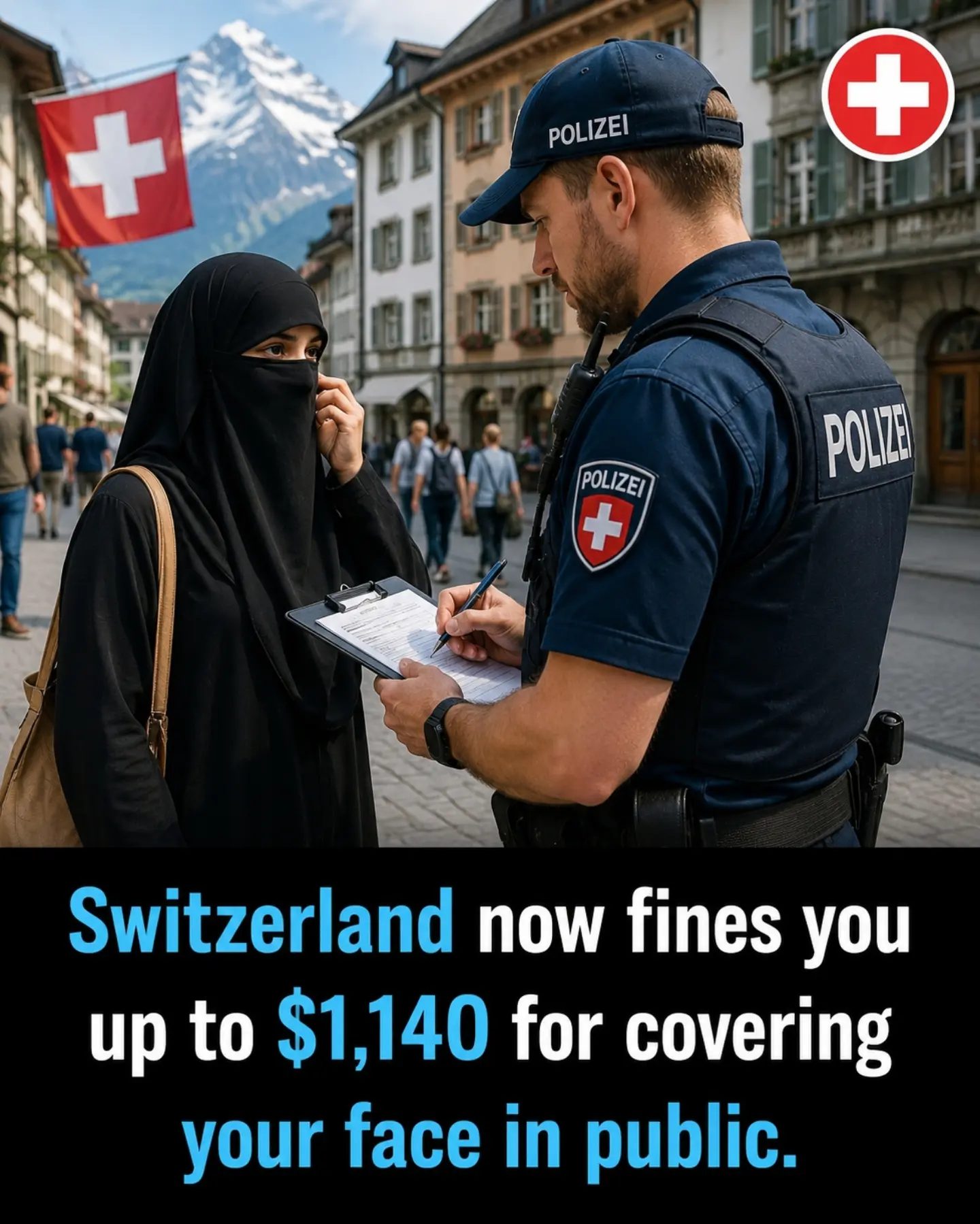
Switzerland's Facial Covering Fine
The fine in Switzerland for covering your face in public is up to $1,140. This rule means people should be prepared to show their faces when in public places, as failing to do so can result in a hefty penalty. This law affects any form of face-covering, including veils, masks, and bandanas.
Why this matters
Switzerland's decision to impose fines on public face covering affects both residents and tourists. It's essential to understand the implications of this regulation, especially if you plan to travel to Switzerland or live there. Switzerland's public face covering ban has some exceptions, such as for religious purposes or during festivals. Nevertheless, awareness of the fine and its enforcement is crucial for anyone visiting or living in the country.
Main discussion
The context of the fine
Switzerland has implemented this fine to address security concerns and facilitate identification in public spaces. The law is part of a broader effort to enhance public safety and ensure that individuals can be identified when necessary.
The fine can be imposed on anyone found covering their face in public spaces, including streets, shops, and public transportation. The regulation applies to all individuals, regardless of their nationality or reason for being in Switzerland. Authorities in Switzerland have the power to issue fines to those who violate this rule.
Enforcement and exceptions
The fine for covering the face in public is up to $1,140, making it one of the highest penalties for such an offense in Europe. This substantial fine serves as a strong deterrent, encouraging compliance with the law. Law enforcement officers in Switzerland are trained to identify and address violations efficiently.
There are some exceptions to this rule. For instance, individuals may cover their faces for religious purposes or during specific cultural events. However, these exceptions are narrowly defined, and travelers should be cautious about relying on them.
Public reaction and debate
The implementation of the fine has sparked debate and varying reactions from the public. Some view it as a necessary measure for enhancing public safety and security, while others criticize it as infringing on personal freedoms and religious rights. The debate highlights the delicate balance between security measures and individual liberties.
Discussions around the fine often center on its impact on specific communities, such as those wearing religious attire like the niqab. While the law aims to be inclusive, its enforcement can sometimes lead to misunderstandings and conflicts, particularly in multicultural settings. Authorities continue to engage with communities to address concerns and clarify the regulations.
International perspective
Switzerland is not the only country with restrictions on face-covering in public. Several other European nations have implemented similar laws, each with its own set of rules and penalties. For example, France and Belgium have banned the niqab and burqa in public spaces, citing security and identification concerns.
Comparing Switzerland's approach with that of other countries provides valuable insights into the broader European context. The varying degrees of enforcement and public acceptance highlight the challenges and complexities of balancing security with individual rights. Understanding these international perspectives can offer a more comprehensive view of Switzerland's policy and its implications.
Practical tips
If you plan to visit or live in Switzerland, it’s crucial to be aware of the face-covering regulations. Here are some practical tips to help you navigate the law:
- Research Before You Go: Familiarize yourself with the rules and exceptions. Know the specific situations where face coverings are allowed and where they are prohibited.
- Plan Your Attire Accordingly: If you wear religious attire that covers the face, consider alternative options or plan your trips to avoid public spaces where identification might be required.
- Stay Informed: Keep up with any updates or changes to the law. Regulations can evolve, and staying informed will help you avoid unexpected penalties.
- Respect Local Customs: Engage with local communities to understand their perspectives and customs. This can help you navigate the regulations more smoothly and respectfully.
Important takeaways
- Switzerland has implemented a fine of up to $1,140 for covering the face in public.
- The law is designed to enhance public safety and facilitate identification.
- There are narrow exceptions for religious and cultural purposes.
- Public reaction to the fine varies, with debates around security and personal freedoms.
- Understanding international perspectives can offer a broader view of the regulations.
- Be prepared and informed to navigate the law during your visit or stay in Switzerland.
Conclusion
Switzerland's face-covering fine underscores the country's commitment to public safety and identification. While the law has its critics and supporters, it is essential to be aware of the regulations and their implications. Whether you are a resident or a visitor, understanding and adhering to these rules will help ensure a smooth and compliant stay in Switzerland.
Questions readers ask
Who is affected by Switzerland's new face-covering fine?
The regulation applies to all individuals in Switzerland, including both residents and tourists. Whether you are a local or visiting, you should be aware of this law to avoid potential penalties.
What are the acceptable reasons for covering one's face in public in Switzerland?
Exceptions to the rule include religious purposes and specific cultural events. However, it’s important to note that you will need to prove a religious necessity by presenting a valid religious document and respect the venues and timeframes for cultural events.
What is the fine for covering your face in public in Switzerland?
The fine for covering your face in public in Switzerland can go up to $1,140. This significant penalty is aimed at encouraging compliance and enhancing public safety.
What types of face coverings are prohibited in public spaces in Switzerland?
The law prohibits any form of face-covering, including veils, masks, and bandanas. This means that if you plan to be in public, you should avoid wearing any item that covers your face.
Why has Switzerland implemented this face-covering fine?
Switzerland has implemented this regulation to enhance public safety and ensure that individuals can be identified in public spaces, aligning with broader public safety measures.
What should tourists do when traveling to Switzerland?
Tourists should familiarize themselves with the new public face covering laws, ensuring they are prepared to show their faces in public, and are aware of the fine to avoid any inconvenience.
What happens if you fail to comply with the face-covering regulation in Switzerland?
Failure to comply with the regulation can result in a fine of up to $1,140. Additionally, repeated offenses may lead to further legal consequences, so it’s important to adhere to the law.
Related deep dives
Similar reads based on topic and creator.




Recent articles
Fresh deep dives from the latest Reels we unpacked.




Comments
Be the first to comment.