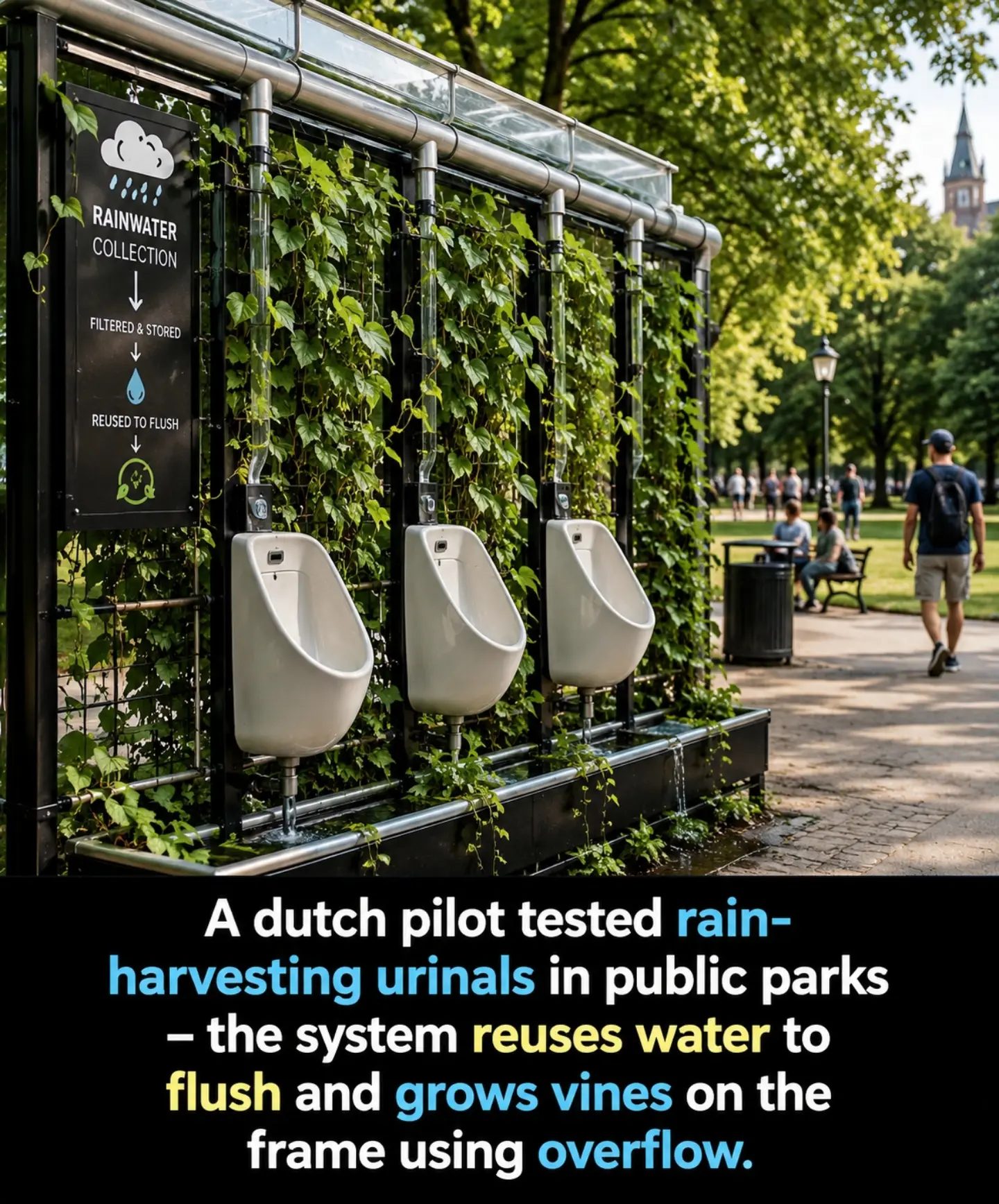
Rainwater Harvesting Urinals
Rainwater harvesting urinals offer a unique and sustainable solution for managing water resources in public restrooms. These systems are designed to collect, filter, and reuse rainwater, providing an eco-friendly alternative to traditional plumbing systems. By integrating rainwater harvesting into urinals, cities can reduce their water consumption and promote environmental sustainability.
What Are Rainwater Harvesting Urinals?
Rainwater harvesting urinals are designed to collect and reuse rainwater for flushing. These systems typically consist of a collection mechanism, a filtration system, and a storage tank. The collected rainwater is filtered to remove any impurities and then stored until it is needed to flush the urinals. This process not only conserves water but also helps to minimize the environmental impact of public restrooms.
How Do Rainwater Harvesting Urinals Work?
The functionality of rainwater harvesting urinals can be broken down into several key steps:
Rainwater Collection
The system starts with the collection of rainwater. This is typically done through a rooftop or gutter system that directs rainwater into a storage tank. The collected water is then filtered to remove any debris or contaminants, ensuring it is safe to use for flushing.
Filtration and Storage
Once the rainwater is collected, it is filtered to remove impurities. This can involve various filtration methods, such as sediment filters, carbon filters, and ultraviolet (UV) light treatments. The filtered water is then stored in a tank, ready for use when needed.
Reuse for Flushing
The filtered and stored rainwater is reused to flush the urinals. This process not only conserves water but also helps to reduce the demand on municipal water supplies. By reusing rainwater, these systems can significantly lower water consumption in public restrooms.
Benefits of Rainwater Harvesting Urinals
Rainwater harvesting urinals offer several benefits, making them an attractive option for public restrooms and other facilities.
Water Conservation
One of the primary benefits of rainwater harvesting urinals is water conservation. By reusing rainwater for flushing, these systems can significantly reduce the demand for treated water, helping to conserve this precious resource.
Environmental Sustainability
Rainwater harvesting urinals contribute to environmental sustainability by reducing the strain on local water supplies. This can help to preserve natural water sources and reduce the need for water treatment, which can have a positive impact on the environment.
Cost-Effectiveness
In addition to environmental benefits, rainwater harvesting urinals can also be cost-effective. By reducing the demand for treated water, these systems can lower water bills and maintenance costs associated with traditional plumbing systems.
Aesthetic and Functional Improvements
Rainwater harvesting urinals can also enhance the aesthetic and functional aspects of public restrooms. By integrating lush greenery and sustainable features, these systems can create a more inviting and eco-friendly environment. For example, a Dutch pilot project tested rain-harvesting urinals in public parks. The system not only reuses water to flush but also grows vines on the frame using overflow water, enhancing the visual appeal of the installation.
Practical Tips for Implementing Rainwater Harvesting Urinals
If you're considering implementing rainwater harvesting urinals, here are some practical tips to help you get started:
Assess Water Needs
Begin by assessing the water needs of your facility. This will help you determine the size and capacity of the rainwater harvesting system required.
Choose the Right Filtration System
Select a filtration system that meets your specific needs. Consider factors such as the quality of the rainwater, the level of filtration required, and the maintenance requirements of the system.
Install a Storage Tank
Choose a storage tank that can hold an adequate amount of rainwater. Consider factors such as the size of the tank, its location, and its durability.
Integrate with Existing Plumbing
Ensure that the rainwater harvesting system is properly integrated with your existing plumbing. This may involve modifying existing pipes, installing new fixtures, and ensuring that the system is properly connected to the urinals.
Maintain and Monitor the System
Regular maintenance and monitoring are essential to ensure the system's effectiveness. This may include checking the filters, cleaning the storage tank, and monitoring water quality.
Important Takeaways
Rainwater harvesting urinals offer a sustainable and efficient solution for managing water resources in public restrooms. By collecting, filtering, and reusing rainwater, these systems can significantly reduce water consumption and promote environmental sustainability. Additionally, they can enhance the aesthetic and functional aspects of public restrooms, creating a more inviting and eco-friendly environment. Implementing a rainwater harvesting system requires careful planning and consideration, but the benefits make it a worthwhile investment.
Conclusion
Rainwater harvesting urinals are a forward-thinking solution for managing water resources in public spaces. By reusing rainwater for flushing, these systems can help to conserve water, reduce environmental impact, and lower costs. Whether you're considering implementing such a system in a public park, a school, or any other facility, the benefits are clear. With careful planning and the right equipment, rainwater harvesting urinals can be an effective and sustainable addition to any public restroom.
Questions readers ask
How do rainwater harvesting urinals contribute to urban water conservation?
Rainwater harvesting urinals reduce the demand for municipal water by using collected rainwater for flushing. This decreases the strain on local water supplies and promotes sustainable water management in cities.
What components are typically included in a rainwater harvesting urinal system?
These systems usually include a collection mechanism to gather rainwater, a filtration system to remove impurities, and a storage tank to hold the water until it is needed for flushing. Some systems may also include pumps and sensors to automate the process.
Can rainwater harvesting urinals be integrated into existing public restrooms?
Yes, many rainwater harvesting urinal systems are designed to be retrofitted into existing public restrooms. This involves installing the necessary collection, filtration, and storage components, as well as modifying the plumbing to use the harvested rainwater for flushing.
What are the benefits of using rainwater harvesting urinals in urban areas?
Rainwater harvesting urinals offer several benefits, such as reducing water consumption, lowering water bills, and minimizing the environmental impact of public restrooms. Additionally, they can help cities meet sustainability goals and promote a greener image.
How does the filtration process work in rainwater harvesting urinals?
The filtration process in rainwater harvesting urinals typically involves multiple stages to remove debris, sediments, and other impurities. This ensures that the water is clean and safe for flushing. Common filtration methods include screens, settling tanks, and advanced filters.
Are there any maintenance requirements for rainwater harvesting urinal systems?
Yes, regular maintenance is essential to keep rainwater harvesting urinal systems functioning properly. This includes cleaning the collection surfaces, checking and replacing filters, and inspecting the storage tank and plumbing components for any signs of wear or damage.
Can rainwater harvesting urinals be combined with other eco-friendly features in public restrooms?
Absolutely, rainwater harvesting urinals can be part of a broader sustainable design for public restrooms. They can be complemented with features like low-flow faucets, waterless urinals, and greenery to create an eco-friendly and inviting space.
Recent articles
Fresh deep dives from the latest Reels we unpacked.




Comments
Be the first to comment.