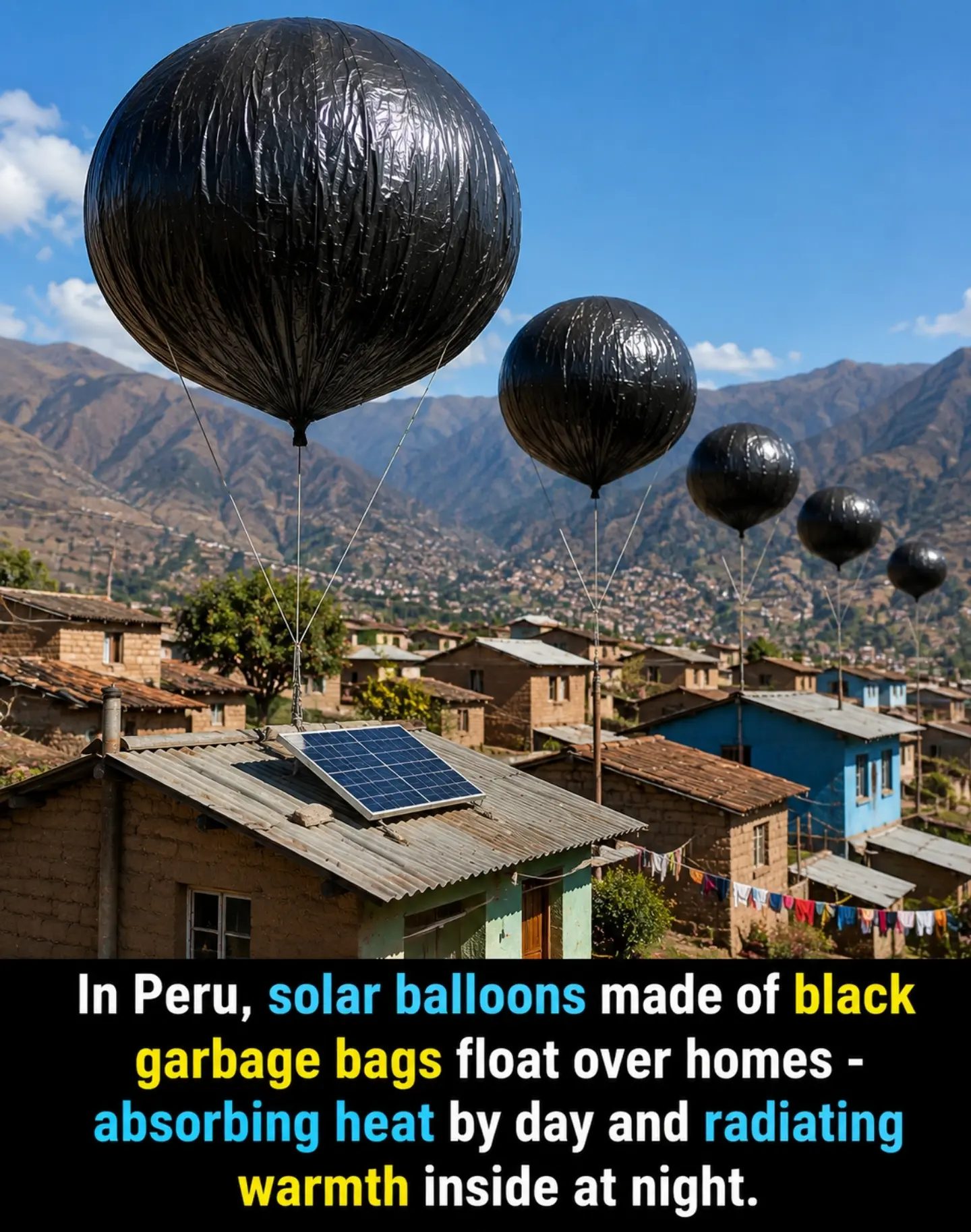
Solar Balloons in Peru
In the rugged landscape of Peru, an innovative and sustainable solution for heating homes has emerged: solar balloons. These curious black orbs floating above towns and villages are more than just an aesthetic addition to the skies—they serve a practical and eco-friendly purpose.
Context: Why This Matters
The significance of solar balloons in Peru lies in their ability to provide a sustainable and cost-effective heating solution, especially in rural and low-income areas. Traditional heating methods often rely on fossil fuels, which are not only environmentally detrimental but also financially burdensome for many families. Solar balloons offer a viable alternative that leverages the power of the sun, a resource abundant in Peru.
Main Discussion
The Technology Behind Solar Balloons
Solar balloons are essentially large, black plastic bags that are filled with air. The black color is crucial as it allows the balloons to absorb heat from the sun during the day. This absorbed heat is then radiated inside homes at night, providing a natural and renewable source of warmth.
The process is simple yet effective. During daylight hours, the black surface of the balloons captures solar energy. As the sun sets, the heat stored in the balloons is released, gradually warming the interior of the homes. This passive heating system is not only efficient but also reduces the dependence on traditional heating methods.
Materials and Construction
One of the most fascinating aspects of solar balloons is their construction. Made from black garbage bags, these balloons are both affordable and readily available. This makes the technology accessible to communities that might struggle to afford more expensive heating solutions.
The use of garbage bags for constructing solar balloons also speaks to Peru's commitment to sustainability and waste reduction. By repurposing what would otherwise be waste, Peruvians are not only reducing landfill waste but also creating a functional and beneficial product.
Environmental Impact
The environmental advantages of solar balloons are profound. By harnessing solar energy, these balloons significantly reduce reliance on fossil fuels. This reduction in fossil fuel usage has multiple benefits:
- Lower Carbon Footprint: Solar balloons contribute to a lower carbon footprint, helping to mitigate climate change.
- Cleaner Air: Less burning of fossil fuels means cleaner air, which is particularly important in densely populated or industrial areas.
- Sustainable Energy: Solar energy is a renewable resource, making solar balloons a sustainable and long-term solution for heating.
Practical Tips
If you're considering implementing solar balloons or a similar technology, here are some practical tips to keep in mind:
Assess Your Environment
Before installing solar balloons, evaluate your environment. Solar balloons work best in areas with ample sunlight. If you live in a region that receives consistent sunlight, this technology could be very effective.
Material Selection
Choose the right materials for your solar balloons. Black garbage bags are a cost-effective option, but ensure they are durable and can withstand the elements. You might also consider other black, heat-absorbing materials that are available locally.
Installation
Solar balloons should be installed in a way that maximizes their exposure to sunlight. Ensure they are placed in an area where they won't be obstructed by trees or buildings. Consider attaching them to the roofs of houses or securing them with stakes in open fields.
Maintenance
Regular maintenance is key to the longevity of your solar balloons. Check for any leaks or tears and repair them promptly. Keep the balloons clean to ensure they continue to absorb heat efficiently.
Important Takeaways
The implementation of solar balloons in Peru showcases the power of innovative thinking and sustainable practices. These simple yet effective devices offer a practical solution to the challenge of heating homes in an environmentally friendly and cost-effective manner.
Sustainability
Solar balloons embody the principles of sustainability. They utilize renewable solar energy and repurpose waste materials, making them a model for sustainable living.
Community Impact
The adoption of solar balloons can have a significant impact on local communities, particularly in rural and low-income areas. By providing a reliable and affordable heating solution, solar balloons improve living conditions and reduce financial burdens.
Versatility
The concept of solar balloons can be adapted to various contexts and environments. Whether used in Peru or adapted for other regions, the principles behind solar balloons can be applied to create sustainable and innovative solutions.
Conclusion
Solar balloons are a testament to the ingenuity and resourcefulness of communities seeking sustainable and practical solutions. In Peru, these floating orbs not only provide warmth but also represent a commitment to environmental sustainability and waste reduction.
As more communities around the world grapple with energy challenges, the example set by Peru offers valuable insights. By harnessing the power of the sun and repurposing waste materials, solar balloons demonstrate that innovative solutions can be both simple and effective. Whether you’re looking to implement a similar technology or simply curious about sustainable heating solutions, the story of solar balloons in Peru is one worth noting.
Questions readers ask
How do solar balloons work to heat homes in Peru?
Solar balloons are large, black plastic bags that absorb heat from the sun during the day. As the air inside the balloons warms up, it rises and creates a convection current, drawing in cooler air from below. At night, the stored heat is released, warming the surrounding area without the need for electricity or fossil fuels.
Why are solar balloons particularly beneficial for rural and low-income areas in Peru?
Solar balloons provide a sustainable and cost-effective heating solution, which is crucial for rural and low-income areas. These regions often lack access to reliable electricity or affordable fossil fuels, making solar balloons an ideal, eco-friendly alternative for heating homes.
Can solar balloons be used in other countries besides Peru?
Yes, the concept of solar balloons can be applied in other sunny regions around the world. Any area with abundant sunlight can benefit from this eco-friendly heating method. However, the specific design and implementation may need to be adapted to suit local conditions and needs.
What are the main components of a solar balloon heating system?
The primary component of a solar balloon heating system is the black plastic balloon itself, which absorbs and retains solar energy. Additionally, a basic structure or frame is often used to position the balloon effectively, and some systems may include a simple vent or ducting to direct the warm air into the living space.
How can I learn more about implementing solar balloons in my community?
To learn more about implementing solar balloons, you can search for online resources, such as solar balloon heating videos, tutorials, and series. These resources often provide step-by-step guides and practical tips for building and installing solar balloons, as well as insights into their benefits and potential challenges.
What are the environmental benefits of using solar balloons for heating?
Solar balloons offer a cleaner, more sustainable alternative to traditional heating methods that rely on fossil fuels. By harnessing the power of the sun, solar balloons reduce greenhouse gas emissions and decrease reliance on finite resources, making them an eco-friendly choice for heating homes.
Related deep dives
Similar reads based on topic and creator.




Recent articles
Fresh deep dives from the latest Reels we unpacked.




Comments
Be the first to comment.