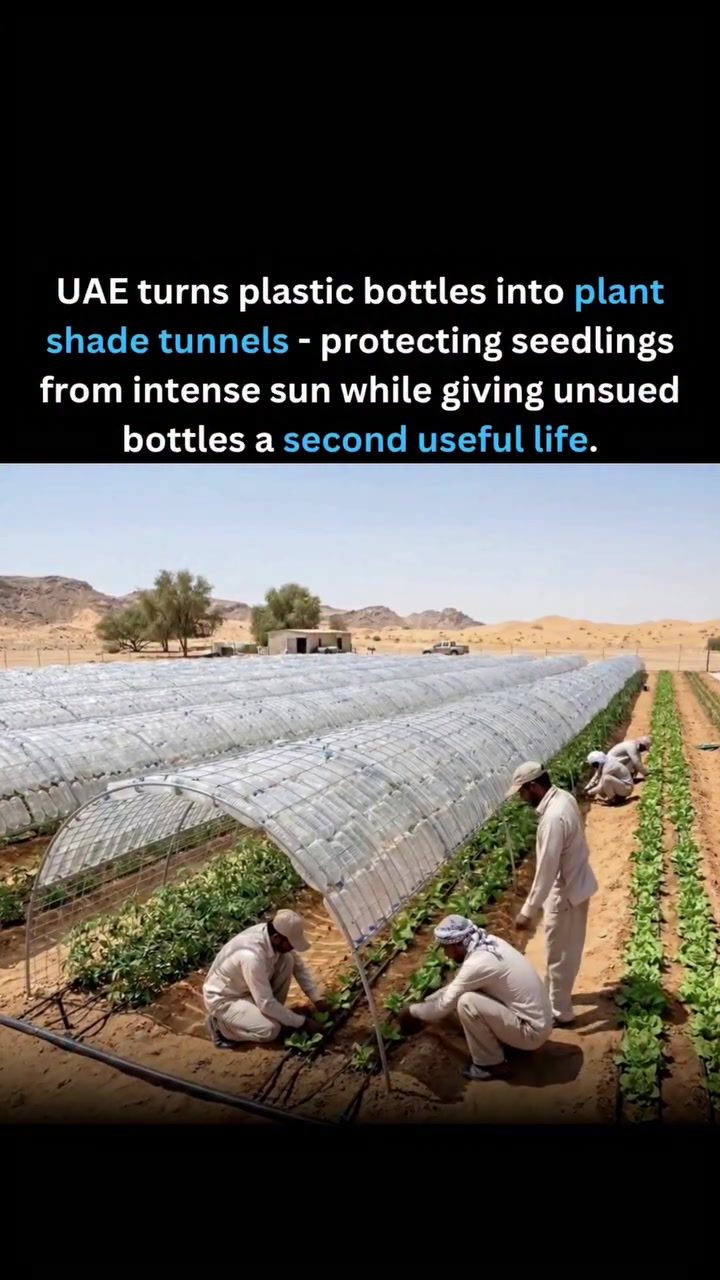
Plastic Bottle Recycling for Agriculture
Shade tunnels made from recycled plastic bottles are a sustainable solution gaining traction in the agricultural sector, particularly in the UAE. This innovative approach not only helps protect seedlings from intense sunlight but also gives plastic waste a second useful life.
Context / Why this matters
Agriculture faces numerous challenges, from soil degradation to climate change. Sustainability in farming practices is crucial for long-term food security and environmental preservation. Recycling plastic bottles into shade tunnels addresses both waste management and agricultural protection.
Main discussion
The process of creating shade tunnels
The transformation of plastic bottles into shade tunnels involves several steps. The bottles are first collected and cleaned to remove any contaminants. Once cleaned, the bottles are cut and assembled into long, tunnel-like structures. These structures are then placed over rows of seedlings, shielding them from direct sunlight and harsh weather conditions.
Benefits for seedlings
Shade tunnels offer multiple benefits for young plants. They protect seedlings from intense sunlight, which can scorch leaves and stunt growth. By creating a more controlled environment, tunnels help maintain optimal temperature and humidity levels, promoting healthier plant development. This protection is especially crucial in regions like the UAE, where the sun's intensity can be particularly severe.
Environmental impact
The environmental benefits of repurposing plastic bottles are significant. Plastic waste is a growing global concern, and finding new uses for discarded bottles reduces the amount of plastic that ends up in landfills or oceans. By giving these bottles a second life as shade tunnels, farmers contribute to waste reduction and promote a circular economy.
Agricultural outcomes
Farmers who use these tunnels report improved seedling survival rates and healthier plants. The controlled environment provided by the tunnels allows for better management of pests and diseases, reducing the need for chemical pesticides. Additionally, the tunnels can extend the growing season by protecting plants from extreme weather conditions, leading to higher yields and more consistent harvests.
Economic considerations
While the initial setup of shade tunnels may require some investment in terms of materials and labor, the long-term benefits often outweigh the costs. Farmers can save on water usage, as the controlled environment reduces evaporation. The improved plant health and higher yields can also lead to increased profits. The cost-effectiveness of this method makes it an attractive option for farmers looking to adopt sustainable practices.
Adaptability and scalability
One of the key advantages of using plastic bottles for shade tunnels is their adaptability. The tunnels can be customized to fit different crop types and field sizes, making them suitable for various agricultural settings. Furthermore, the simplicity of the design means that farmers can easily scale up production as needed, making it a versatile solution for both small and large-scale farming operations.
Community and cultural impact
In the UAE, this initiative is not just about sustainability but also about community engagement. Local communities are often involved in collecting and preparing the plastic bottles, fostering a sense of collective responsibility and environmental stewardship. This approach not only benefits the environment but also strengthens social bonds within the community.
Practical tips
- Source High-Quality Materials: Ensure that the plastic bottles used are clean and free from contaminants to maintain the integrity of the shade tunnels.
- Design for Specific Crops: Customize the tunnel design based on the type of seedlings and their specific needs. Consider factors like height, width, and ventilation.
- Incorporate Ventilation: Include ventilation options to prevent overheating and promote airflow, which is crucial for plant health.
- Maintain Regular Cleaning: Regularly clean the tunnels to remove dirt and debris, ensuring they remain effective in providing the necessary protection.
- Community Involvement: Engage local communities in the collection and preparation of plastic bottles. This not only reduces waste but also builds a sense of community responsibility towards the environment.
Important takeaways
- Sustainable Solution: Repurposing plastic bottles into shade tunnels is a sustainable and practical solution for protecting seedlings and reducing plastic waste.
- Environmental Benefits: This method contributes to waste reduction and promotes a circular economy, while also protecting the environment by minimizing the use of pesticides.
- Agricultural Advantages: Shade tunnels help maintain optimal growing conditions, leading to healthier plants, improved yields, and extended growing seasons.
- Community Engagement: Involving local communities in the process can foster a sense of environmental responsibility and strengthen social bonds.
- Economic Viability: While initial costs may be involved, the long-term benefits of improved plant health and higher yields make it a cost-effective solution for farmers.
Conclusion
The practice of turning plastic bottles into shade tunnels is a shining example of how innovative thinking can address multiple challenges in agriculture and environmental sustainability. By protecting seedlings and reducing plastic waste, this method offers a practical and beneficial solution for farmers, especially in regions with intense sunlight. As more farmers adopt this practice, the environmental and economic benefits are likely to grow, making it a valuable addition to sustainable agricultural practices.
Questions readers ask
How do plastic bottle shade tunnels benefit agricultural practices in the UAE?
Plastic bottle shade tunnels provide a cost-effective solution to protect seedlings from the UAE's intense sunlight, which can be harmful to young plants. Additionally, these tunnels help conserve water by reducing evaporation, and they offer a sustainable alternative to traditional shade structures.
What are the steps involved in creating shade tunnels from recycled plastic bottles?
The process begins with collecting and cleaning discarded plastic bottles. Next, the bottles are cut into strips and woven together to form a tunnel structure. This is then secured to the ground with stakes, creating a protective barrier for seedlings.
How does using plastic bottle shade tunnels contribute to waste management in the UAE?
By transforming discarded plastic bottles into shade tunnels, the UAE is able to divert a significant amount of plastic waste from landfills. This not only reduces environmental pollution but also addresses the growing waste management challenges facing the country.
What makes plastic bottle shade tunnels a sustainable solution for agriculture?
These tunnels are a sustainable solution because they turn plastic waste into a useful resource, reducing the need to produce new materials. They also help mitigate the effects of harsh sunlight, which can damage seedlings. Additionally, they contribute to the UAE’s goal of achieving a circular economy.
Can plastic bottle shade tunnels be used in other regions besides the UAE?
While the plastic bottle shade tunnels are particularly beneficial in the UAE due to the harsh sunlight, they can be used in other regions as well. Any area with intense sunlight or water scarcity can benefit from these tunnels, making them versatile for different agricultural needs.
How do plastic bottle shade tunnels enhance agricultural resilience in the UAE?
Plastic bottle shade tunnels enhance agricultural resilience by protecting seedlings from extreme weather conditions, such as intense heat and strong winds. This protection allows for better crop growth, higher yields, and more reliable harvests. Additionally, these tunnels contribute to sustainable farming practices, making agriculture more resilient in the long term.
What are the long-term benefits of implementing plastic bottle shade tunnels in agriculture?
The long-term benefits include reduced water usage due to less evaporation, improved soil quality, and increased crop yields. Furthermore, by repurposing plastic waste, these tunnels help to reduce environmental pollution and contribute to the circular economy, promoting a more sustainable agricultural future.
Recent articles
Fresh deep dives from the latest Reels we unpacked.



Comments
Be the first to comment.