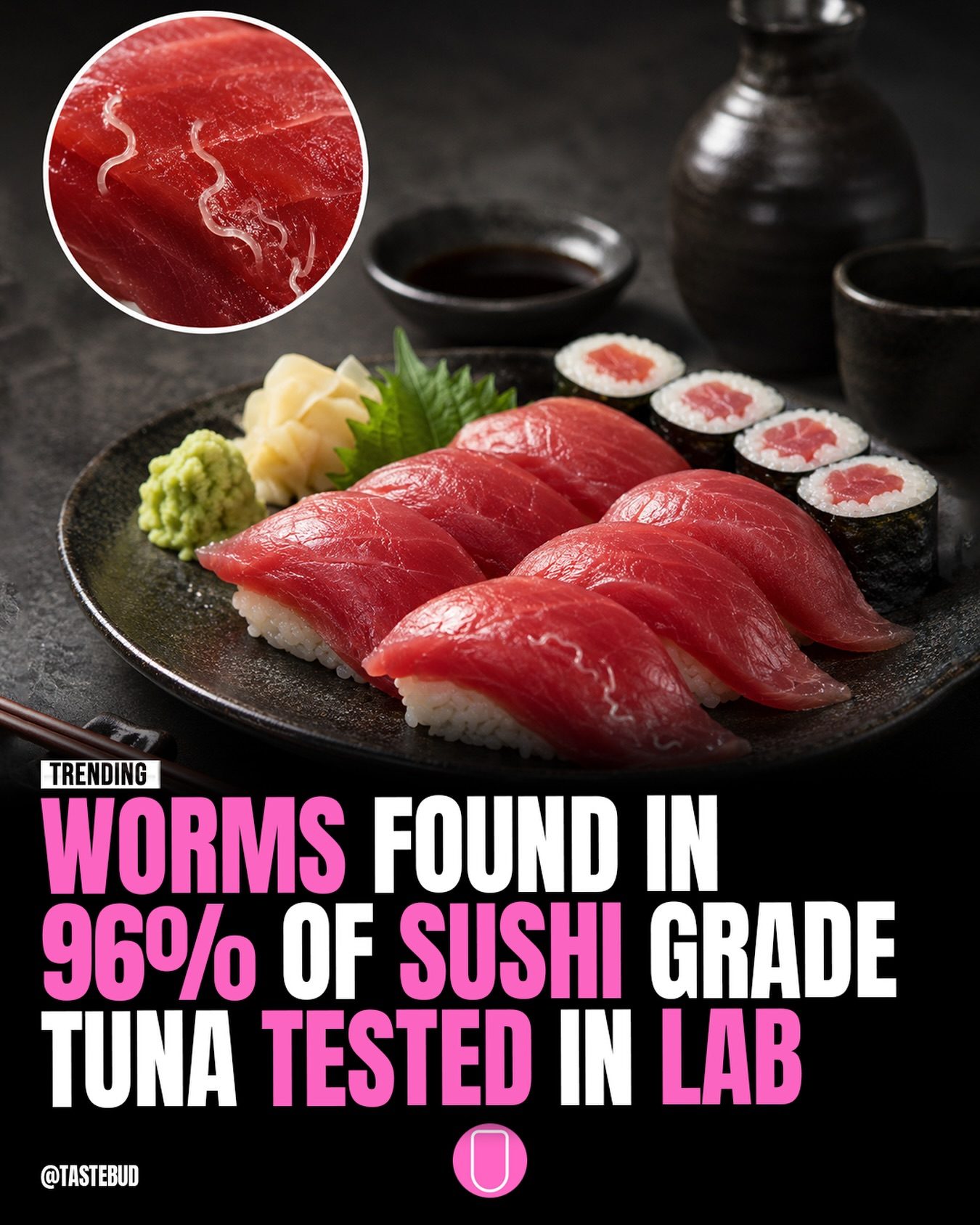
The 96% Problem
For many consumers, sushi holds an image of pristine freshness and healthy dining. Yet, a stark reality lurks beneath the appealing presentation of sushi-grade tuna: parasites. Specifically, worms. Research analyzed by TASTEBUD indicates that nearly all samples of sushi-grade tuna sampled in lab conditions contained these unwanted guests. And it’s the specific ones relevant to sushi-grade tuna that are raising concerns for diners. The finding that 96% of tuna tested in labs contain worms should prompt a closer look at how restaurants and grocers handle fresh fish. Many sushi lovers eat raw fish, trusting that the industry maintains rigorous standards. Yet this data suggests otherwise. The presence of worms isn’t necessarily a sign of poor quality control. Parites can enter an environment and contaminate the fish from the ocean — creating a management problem that goes beyond handling. The meal is intimate, each bite literally an experience with how food arrives at the table. The restaurant experience around sushi is part of what makes dining at sushi shops a delicious and welcoming activity. The last thing diners expect when consuming premium fish is encountering unwanted guests. The quest to eliminate parasites in the industry will only strengthen the culinary experience that made the dish popular.
From Ocean to Plate
While the visual impact of worms in tuna is grim, it’s essential to understand the life cycle of these parasites. Most parasites thrive in a raw form, consuming the host's tissue, relying on flesh to feed on and sometimes reproduce. They are naturally occurring in the fish. The next step for diners is to accept that some level of contamination is unavoidable, rather than avoiding sushi altogether. At this point, skepticism is winning because of the lack of prep for this information. This could mean some sushi lovers must rethink their rapport with their favorite menu items, either by choosing cooked sushi or by seeking out restaurants with an established track record of robust quality control.
Safety at Stake
96% is a staggering number, especially when contemplated. Much of the product relies on the sushi-making process to sanitize the fish. The handling and cooling of fish can help reduce these counts. From the harvesting of raw tuna to the final cut of sushi, fish undergoes several steps of evaluation, processing, and storage. Each stage should include a rigorous process, and when it does not, the safety of consumers is compromised. The process also means that any oversight in the cold chain or improper storage and transportation of seafood can lead to increased parasite levels. These failures have significant implications for the health of those who consume sushi. It could lead to illnesses that are potentially severe in some cases. Decreasing the risk of transmission is vital for the diner, and the tuna have to pass several rigorous inspections before arriving at the table. However, the 96% figure raises serious concerns about the current industry practices. The fish-doctoring can only do so much with these rates of contamination.
The Sushi Community
Worms in sushi-grade tuna may be an unsettling discovery. But it's not a problem that can be disposed by diners alone. The conversation extends to why contamination happens in the first place. When diners start asking how sushi arrives at their table, it could prompt a shift in how restaurants present sushi. There is a parallel between how sushi is prepared and its presentation in the restaurant. And highlighting the importance of traceability in the supply chain is becoming popular.
Related deep dives
Similar reads based on topic and creator.




Recent articles
Fresh deep dives from the latest Reels we unpacked.




Comments
Be the first to comment.