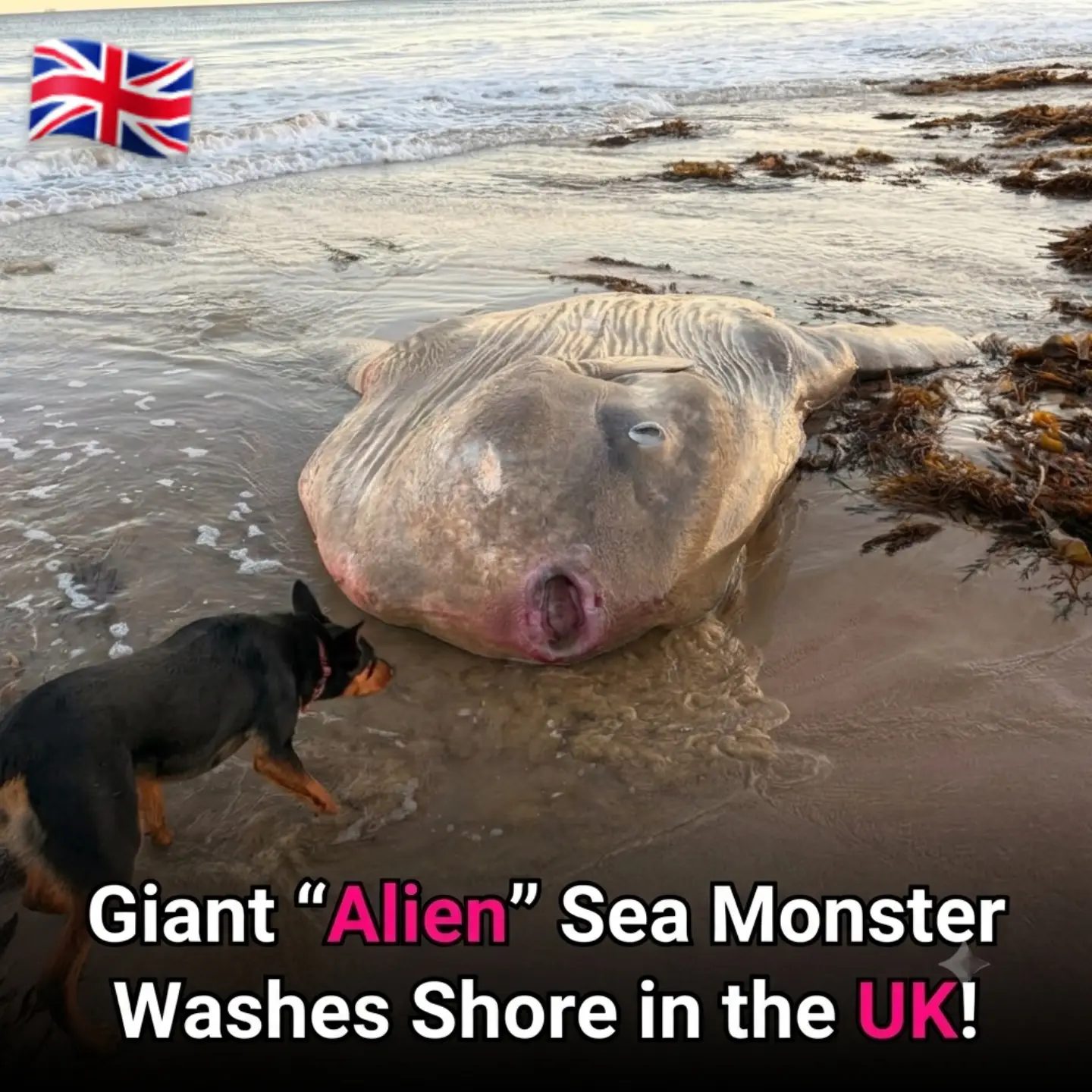
Ocean Sunfish: A Fascinating Pelagic Giant
The ocean sunfish, or Mola mola, is a remarkable creature that has captivated marine enthusiasts and scientists alike. Recently, a large, unusual sea creature washed up on a beach in the UK, sparking curiosity and wonder.
Context / Why this matters
The ocean sunfish is not just any ordinary fish; it holds several records in the animal kingdom. Understanding this pelagic giant provides insights into the diverse and often mysterious world of marine life. Its unique characteristics and behaviors make it a subject of interest for both scientists and casual observers.
A True Giant of the Seas
One of the most striking features of the ocean sunfish is its size. Fully grown adults can weigh over 2,200 kilograms (4,800 pounds) and measure up to 3 meters (10 feet) across. This makes it the heaviest bony fish in the world. The sheer magnitude of these creatures is a testament to the vastness and richness of the ocean ecosystem.
Unique Design and Movement
The ocean sunfish has a distinctive, truncate appearance. Its body is tall, thin, and disc-shaped, which gives it the look of a fish with its tail cut off. This unique design is not just for show; it plays a crucial role in the fish's survival. The sunfish propels itself by flapping its powerful dorsal (top) and anal (bottom) fins simultaneously. A rudimentary rudder-like structure at the back helps it steer through the water. This method of movement is not only efficient but also adds to the fish's distinctive appearance.
Life in the Open Ocean
Sunfish are pelagic creatures, meaning they live in the deep, open ocean. They are adapted to a life far from shore, and their bodies reflect this. The sunfish can dive as deep as 600 meters (almost 2,000 feet) to hunt for their favorite food. Their diet primarily consists of jellyfish, which they consume in large quantities. With the limited visibility in the open ocean, they can find food and avoid predators, ensuring their survival.
Reproduction and Lifespan
The reproductive habits of the ocean sunfish are as fascinating as their physical characteristics. These fish are known to produce more eggs than any other vertebrate. A single female can release up to 300 million eggs at a time. However, the survival rate of these eggs is relatively low, which is typical for pelagic species.
The lifespan of an ocean sunfish is also a subject of interest. These creatures can live for up to 10 years, although estimates vary. Their long lifespan in such a challenging environment speaks to their resilience and adaptability.
Conservation and Habitat
Ocean sunfish populations face several threats, including pollution, overfishing, and habitat destruction. These factors can disrupt their natural habitats and food sources, making it harder for them to survive. Conservation efforts are crucial to ensure the survival of these remarkable creatures. Organizations like the Cornwall Wildlife Trust play a vital role in monitoring and protecting marine life, including the ocean sunfish.
Practical Tips for Encounters
If you ever encounter a stranded ocean sunfish, it is important to know how to respond. Here are a few practical tips:
- Stay at a Safe Distance: Avoid approaching the fish too closely. These creatures are gentle giants, but their size and movements can still be dangerous.
- Contact Local Authorities: Notify local wildlife authorities or marine biologists. They have the expertise to handle such situations and can provide the necessary assistance.
- Do Not Disturb: Keep other animals and people away from the fish to minimize disturbance. The less disturbance, the better the chances of the fish recovering and returning to the sea.
- Provide Cover: If possible, provide some shade and moisture to keep the fish comfortable until help arrives. Use a wet towel or blanket to cover the fish, ensuring it remains hydrated and protected from the sun.
Important Takeaways
The ocean sunfish is a true marvel of the marine world. Its massive size, unique design, and pelagic lifestyle make it a subject of endless fascination. Understanding and appreciating these creatures can deepen our connection to the ocean and the diverse life it supports.
Conclusion
The ocean sunfish, or Mola mola, is a testament to the wonders of the marine world. Its enormous size, unique physical characteristics, and deep-sea lifestyle highlight the incredible diversity of life in our oceans. Whether you are a marine biologist, a nature enthusiast, or simply curious about the natural world, the ocean sunfish offers a glimpse into the mysteries of the deep sea.
Questions readers ask
Why do ocean sunfish (Mola mola) often end up stranded on beaches?
Ocean sunfish may strand on beaches due to several reasons, including injury, illness, or being disoriented by changes in water temperature or currents. Their lack of strong swimming abilities also contributes to this problem. Some sunfish may be too weak to avoid shallow waters or beaches, leading to stranding events.
What should I do if I encounter a stranded ocean sunfish?
If you encounter a stranded ocean sunfish, it is best to contact local wildlife authorities or marine rescue organizations immediately. Do not attempt to push the fish back into the water yourself, as this can cause injury to both you and the animal. Attempting to re-float the fish is difficult and usually not successful.
How big can an ocean sunfish (Mola mola) grow?
Ocean sunfish can grow incredibly large. Adults can reach lengths of up to 3.3 meters (11 feet) and weigh over 2,200 kilograms (4,800 pounds), making them the heaviest bony fish in the sea. Their size is one of their most notable features.
What is the most common cause of sunfish stranding in the UK?
Sunfish strandings in the UK are often influenced by ocean currents and weather patterns, which can disorient or weaken the fish. This is especially true in the colder waters of the UK, where sunfish may struggle to maintain their body temperature and become vulnerable to stranding.
Are ocean sunfish (Mola mola) a common sight along UK beaches?
While ocean sunfish are not an everyday sight, they are occasionally spotted along UK beaches, especially during the summer months. Their unique appearance and large size make them a notable find for beachgoers and marine enthusiasts alike.
What are some unique characteristics of the ocean sunfish?
Ocean sunfish have several unique characteristics, including their massive size, lack of a tail fin, and a distinctive dorsal and ventral fin that resembles a square or trapezoidal shape. Their diet primarily consists of jellyfish, and they are known for their slow, gentle swimming style.
Related deep dives
Similar reads based on topic and creator.




Recent articles
Fresh deep dives from the latest Reels we unpacked.




Comments
Be the first to comment.