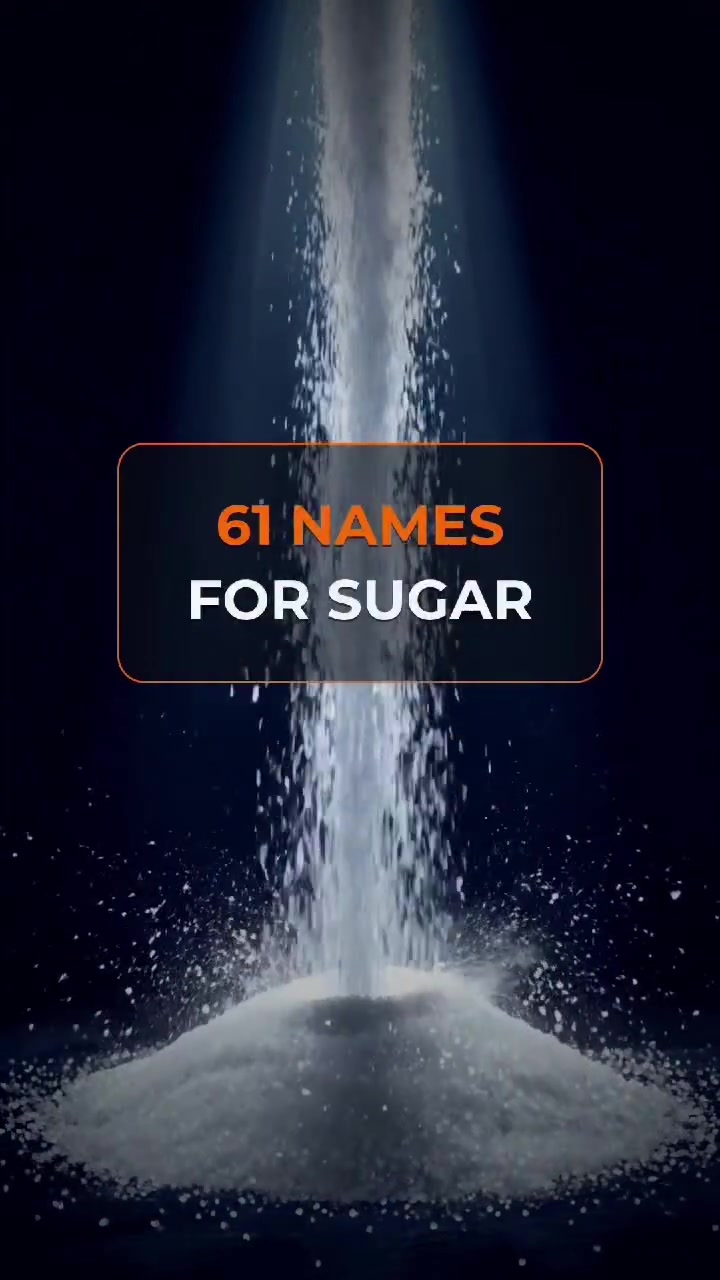
Sugar is a stealthy ingredient, hiding behind 61 different aliases that rarely say “sugar” — and it’s not an accident. Take our evolving relationship with sugar. Four centuries ago, it was so scarce and expensive that apothecaries dispensed it by the ounce for ailments from fading vision to stubborn wounds. It was so valuable that it rotted the teeth of a queen, and only the rich could afford it.
Sugar Relief provided at a price
Even before sugar became a staple, the Atlantic slave trade changed the economics of sugar — and Europe's palate. Two-thirds of the 12.5 million Africans who survived the Middle Passage were shuttled to sugar plantations. Sugar was brutally affordable by the 1900s: 4 pounds of sugar a year in 1700, and 90 by 1900. Sugar's journey from medicine to meniality in modern-day diets can seem like a modern problem. Historians have noted, "Sugar was sold by the ounce and was used as a medicinal ingredient." This historic perspective makes the social history of large-scale sugarcane plantations in the Americas even more contextually disturbing. These plantations were often worked by slaves from Africa.
The sugar rush
The sugar narrative changed dramatically with the Industrial Revolution. How did it become hidden? Sugar left the bowl and entered everything from bread to sauces, becoming a staple rather than a treat. Marketers cleverly moved sugar into products we consume daily. This shift coincided with dark history — much of the world's sugar was produced by enslaved people.
Sugar as addiction
Sugar lapses from being a reward to a routine — like other dietary trends. While the addictive nature of sugar was popularized with studies comparing sugared water to drugs, the evidence does not back this up. Sugar is more than sweet, it connects with the brain circuits that reward us for finding rare, nutritious foods. The challenge arises from the body harnessing fructose, a component of table sugar, into fat. It’s a quantum leap from sugar's medicinal past.
The liver tries to manage
The liver plays a crucial role in the body's sugar management. When it doesn't get overwhelmed by excess against the 6 teaspoon daily guideline. That’s hard to maintain, though: the average Briton consumes nearly double that, with much of it hidden in processed foods. Our sugar intake was chosen for us.
Sugar and the food label
The label doesn’t always disclose sugar. Most of sugar's sneakiness lies in the many forms it takes: syrup, malt, and corn sweetener. A label might say "high fructose" or "sugar alcohol," but it isn’t worth the sugar itself by nutritional value. The basic takeaway is clear: If it tastes sweet, it’s loaded with sugar. Food labels often don’t show it.
Food manufacturers' role
Sugar is the most primarily added ingredient. It’s not just you. About 74% of packaged foods and drinks contain added sugars. This sugar is hidden across a myriad of products. It’s crucial to recognize these processed foods as a significant source of our sugar intake.
What your foods hide
What do you need to know to decode your food labels?
- Be wary of ambiguous names: Products with terms like "syrup" or "sugar alcohol" often contain hidden sugars. The food industry exploits these alternative names to make sugar less obvious.
- Check ingredients: Look for products with fewer ingredients and those that are more naturally occurring. Simplify your grocery list.
- Choose whole foods: These foods have a higher nutritional density and are less likely to contain added sugars.
- Opt for water and unsweetened drinks: When it comes to beverages, water should be your go-to. If you need flavor, opt for unsweetened beverages. Sugar’s history is complex, from rare and valuable medicine to a ubiquitous, cheap ingredient. For consumers, awareness of sugar’s hidden presence in our diets is a good start.
Questions readers ask
What are some of the most common hidden names for sugar on food labels?
The article mentions that sugar can appear under 61 different names on food labels. Some of the most common aliases include terms like 'syrup,' 'malt,' and 'corn sweetener.' These names can be more subtle, but they all point to the presence of added sugars.
Why is sugar hidden under so many different names on food labels?
Sugar is hidden under many different names to make it less obvious to consumers. This is a strategic move by food manufacturers to keep you eating more sugar and buying more product. Sugar is a stealthy ingredient, hiding behind 61 different aliases that rarely say 'sugar' — and it’s not an accident.
How much sugar does the average person consume daily, and why is this concerning?
The average American consumes 126 grams of added sugar a day. This is concerning because it's much higher than the recommended daily intake of 25-36 grams and can lead to serious health issues like obesity, diabetes, and heart disease.
What role did the Industrial Revolution play in the increased consumption of sugar?
The Industrial Revolution marked a significant shift in how sugar was integrated into our diets. It transitioned from a luxury item used medicinally to a staple in everyday foods like bread and sauces. This change was driven by the mass production of sugar and its incorporation into processed foods, making it a hidden ingredient in many products.
How does the body process sugar, and what are the health implications?
The body processes sugar through the liver and converts it into energy. However, excess sugar can overwhelm the liver and lead to the storage of fat, which contributes to health issues like obesity and diabetes. The challenge arises from fructose, a component of table sugar, which converts into fat. Sugar is more than sweet, it connects with the brain circuits that reward us for finding rare, nutritious foods.
What should consumers look for on food labels to identify hidden sugars?
Consumers should be wary of ambiguous names like 'syrup,' 'sugar alcohol,' and 'high fructose.' These terms often indicate the presence of added sugars. It’s also important to recognize that if a food tastes sweet, it’s likely loaded with sugar, even if the label doesn’t explicitly state it.
How prevalent is added sugar in packaged foods and drinks?
About 74% of packaged foods and drinks contain added sugars. This means that a significant portion of our daily sugar intake comes from processed foods, often without us realizing it. It’s crucial to be mindful of these hidden sugars and to read food labels carefully.
Related deep dives
Similar reads based on topic and creator.



Recent articles
Fresh deep dives from the latest Reels we unpacked.


Comments
Be the first to comment.