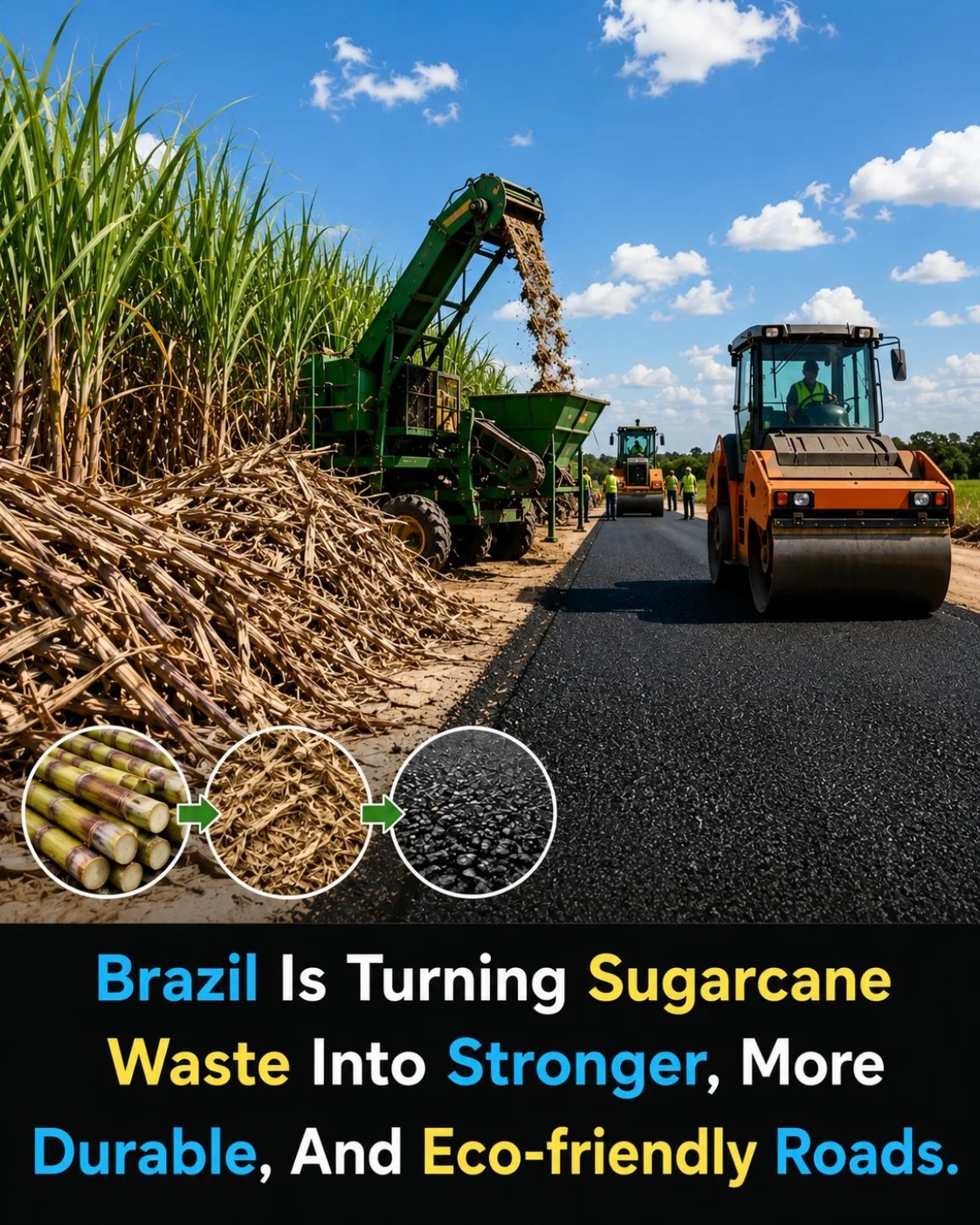
Sugarcane Waste Recycling: Transforming Agri-Waste into Durable Roads
Brazil is at the forefront of an innovative approach to dealing with sugarcane waste. By transforming this agricultural byproduct into a robust road-building material, the country is not only tackling waste management but also enhancing the durability and sustainability of its infrastructure.
Why this matters
The sugarcane industry generates a massive amount of waste, primarily in the form of sugarcane bagasse and stalks. Traditionally, this waste has been either burned or left to decompose, contributing to environmental issues. Recycling this waste offers a dual benefit: it reduces environmental impact and creates a new resource for infrastructure development.
The Process of Transforming Sugarcane Waste
Harvesting and Collection
The process begins with the harvesting of sugarcane. Large agricultural machinery is employed to efficiently collect the sugarcane stalks, which are then transported to processing facilities. This machinery plays a crucial role in ensuring that the harvesting process is both efficient and sustainable.
Processing the Waste
Once the sugarcane stalks are collected, they are processed to extract the fibrous material. This material is then mixed with other components to create a durable, asphalt-like substance. The resulting material is not only strong but also more environmentally friendly than traditional asphalt.
Road Construction
The processed sugarcane waste material is then used in road construction. This innovative approach to road-building not only makes the roads stronger and more durable but also reduces the need for conventional asphalt, which is often derived from non-renewable resources.
Benefits of Using Sugarcane Waste in Road Construction
Environmental Impact
Using sugarcane waste reduces the environmental footprint of both the sugarcane industry and the road construction sector. By recycling waste, we decrease the amount of waste sent to landfills and reduce the need for deforestation and other environmentally damaging activities.
Durability and Strength
The roads constructed using this sugarcane waste material are notably stronger and more durable. This enhanced durability means that the roads require less maintenance and have a longer lifespan, making them a cost-effective solution in the long run.
Economic Benefits
Transforming sugarcane waste into a valuable resource creates new economic opportunities. It supports the agricultural sector by providing an additional revenue stream for sugarcane farmers and processors. Additionally, it reduces the cost of road construction and maintenance, benefiting the broader economy.
Practical Tips for Implementing Sugarcane Waste Recycling
Assessment and Planning
Before implementing a sugarcane waste recycling program, it's essential to conduct a thorough assessment of the available waste and the local infrastructure. This assessment should include an evaluation of the machinery required, the processing facilities, and the demand for the recycled material.
Investing in Machinery
Investing in the right agricultural machinery is crucial for the efficient collection and transportation of sugarcane waste. High-quality machinery ensures that the harvesting process is both efficient and sustainable, minimizing waste and maximizing yield.
Collaboration with Local Communities
Collaboration with local communities and stakeholders is essential for the success of any recycling program. Engaging with farmers, processors, and road construction companies ensures that the program is well-received and supported by those who will benefit from it.
Important Takeaways
The innovative use of sugarcane waste in road construction showcases the potential for transforming agricultural waste into valuable resources. By reducing waste, enhancing road durability, and creating economic opportunities, this approach offers a sustainable solution to environmental and infrastructural challenges.
Conclusion
Brazil's initiative to turn sugarcane waste into stronger, more durable, and eco-friendly roads highlights the importance of innovation in waste management and infrastructure development. By recycling sugarcane waste, we can create a more sustainable future, reduce environmental impact, and build stronger, longer-lasting roads. This approach serves as a model for other regions and industries looking to make the most of their waste resources.
Questions readers ask
What types of sugarcane waste are used in road construction in Brazil?
The primary types of sugarcane waste used in Brazil's innovative road construction are sugarcane bagasse and sugarcane stalks. These materials, which were once considered agricultural byproducts, are now transformed into durable and eco-friendly road materials.
How does recycling sugarcane waste benefit the environment?
Recycling sugarcane waste reduces the need to burn or leave waste to decompose, which can contribute to air pollution and greenhouse gas emissions. By repurposing this waste, Brazil can lower its environmental footprint and promote sustainable practices.
What makes sugarcane waste a suitable material for road construction?
Sugarcane waste, when processed correctly, becomes a robust and durable material. It can be mixed with other binding agents to create a strong and long-lasting road surface, making it an excellent choice for sustainable road construction.
How does this process benefit the sugarcane industry?
By providing a new use for sugarcane waste, this process helps the sugarcane industry reduce disposal costs and environmental impact. It turns a potential liability into a valuable resource, enhancing the industry's overall sustainability.
What other countries could benefit from Brazil's sugarcane waste recycling method?
Any country with a significant sugarcane industry, such as India, China, and several African nations, could benefit from adopting Brazil's sugarcane waste recycling method. This approach can help these countries manage their agricultural waste more effectively while improving their infrastructure.
How does this process contribute to sustainable infrastructure development?
By turning sugarcane waste into durable road materials, Brazil is creating a more sustainable infrastructure. This not only reduces the demand for new resources but also extends the lifespan of roads, minimizing the need for frequent repairs and reconstructions.
What are the economic benefits of converting sugarcane waste into road materials?
Converting sugarcane waste into road materials can lead to significant cost savings by reducing waste disposal expenses and lowering the need for traditional road-building materials. Additionally, it creates new economic opportunities in the recycling and road construction sectors.
Related deep dives
Similar reads based on topic and creator.




Recent articles
Fresh deep dives from the latest Reels we unpacked.



Comments
Be the first to comment.