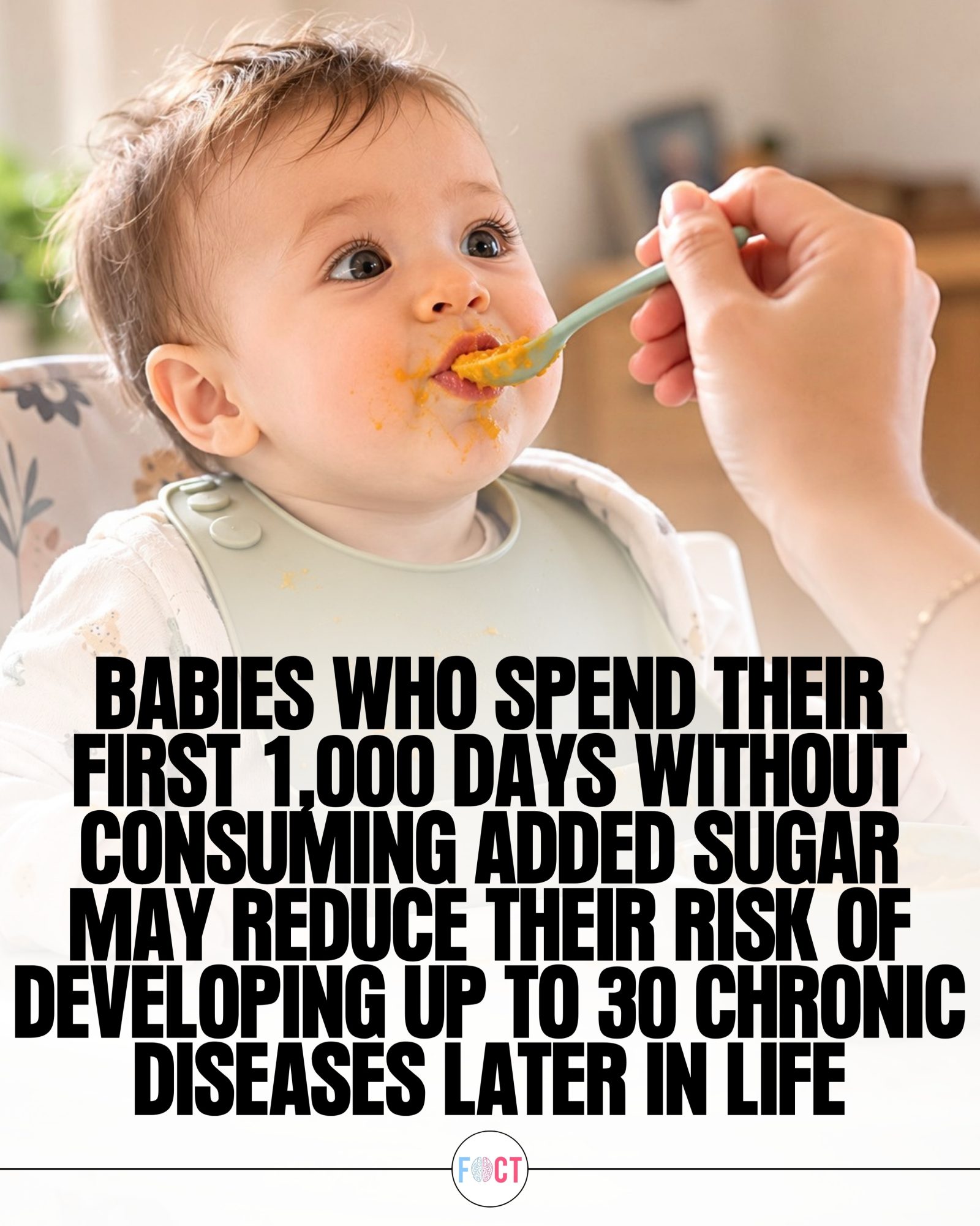
Baby Nutrition: The First 1,000 Days and the Impact of Sugar
The first 1,000 days of a baby's life, from conception to around two years of age, are critical for long-term health. Recent findings from a major study published in Science highlight the significance of sugar intake during this period. The study, which examined more than 60,000 individuals, revealed that limiting sugar exposure during the first 1,000 days can lead to substantial health benefits decades later. The research underscores the importance of dietary choices during this window of time and provides valuable insights for parents and caregivers.
Why This Matters
The first 1,000 days are a pivotal period for a child's development. During this time, the foundations for a baby's health are laid, and early nutritional choices can have lasting effects. The study from Science shows that reducing sugar intake during this period can significantly lower the risk of chronic diseases later in life. This knowledge is crucial for promoting healthier habits and improving long-term health outcomes.
Main Discussion
The study found that the longest exposure to sugar restriction was associated with a 35% lower risk of type 2 diabetes and a 20% lower risk of high blood pressure. These benefits were particularly pronounced when sugar restriction continued after birth, especially beyond six months. The researchers also noted that the onset of diabetes and hypertension was delayed by about four and two years, respectively.
The Impact on Chronic Diseases
Avoiding added sugar during the first 1,000 days can reduce the risk of developing up to 30 chronic diseases later in life. This includes a significant reduction in the risk of metabolic disorders, cardiovascular diseases, and other chronic conditions. These findings suggest that the first 1,000 days are a critical window when dietary habits can influence long-term health outcomes.
Benefits During Pregnancy and Beyond
The benefits of sugar restriction begin during pregnancy and continue to strengthen after birth. During pregnancy, limiting sugar intake can promote a healthier environment for the developing fetus. Beyond birth, continuing to avoid added sugars, particularly beyond six months, can further enhance these health benefits.
Practical Tips
Limiting Sugar Intake
For parents and caregivers, limiting sugar intake during the first 1,000 days is achievable with a few key strategies. Focus on providing whole, unprocessed foods that are naturally low in sugar. Fruits, vegetables, whole grains, and lean proteins are excellent choices. Avoid sugary drinks, processed foods, and snacks with added sugars.
Reading Labels
When selecting food for babies, carefully read nutrition labels. Look for products that are low in added sugars and high in essential nutrients. This can help ensure that the baby's diet supports healthy growth and development without excessive sugar intake.
Promoting Healthy Habits
Establishing healthy eating habits early on can set the stage for a lifetime of good nutrition. Encourage a balanced diet that includes a variety of nutrient-dense foods. Avoid overly restrictive diets, but aim to create a positive and enjoyable eating environment.
Consulting Healthcare Providers
As always, consult with a pediatrician or healthcare provider for personalized advice. They can offer guidance tailored to the specific needs of the baby and help ensure that nutritional requirements are met effectively.
Important Takeaways
The first 1,000 days are a crucial period for establishing lifelong health patterns. Limiting sugar intake during this time can lead to significant reductions in the risk of chronic diseases later in life, including a 35% lower risk of type 2 diabetes and a 20% lower risk of high blood pressure. By focusing on nutritious, whole foods and avoiding added sugars, parents and caregivers can support their baby's long-term health and well-being.
Conclusion
The findings from the study published in Science emphasize the importance of the first 1,000 days in a baby's life. By limiting sugar intake during this critical period, parents and caregivers can significantly reduce the risk of chronic diseases and promote long-term health. With practical steps like reading labels, choosing nutrient-dense foods, and consulting healthcare providers, anyone can create a supportive environment for a healthy start.
Related deep dives
Similar reads based on topic and creator.



Recent articles
Fresh deep dives from the latest Reels we unpacked.




Comments
Be the first to comment.