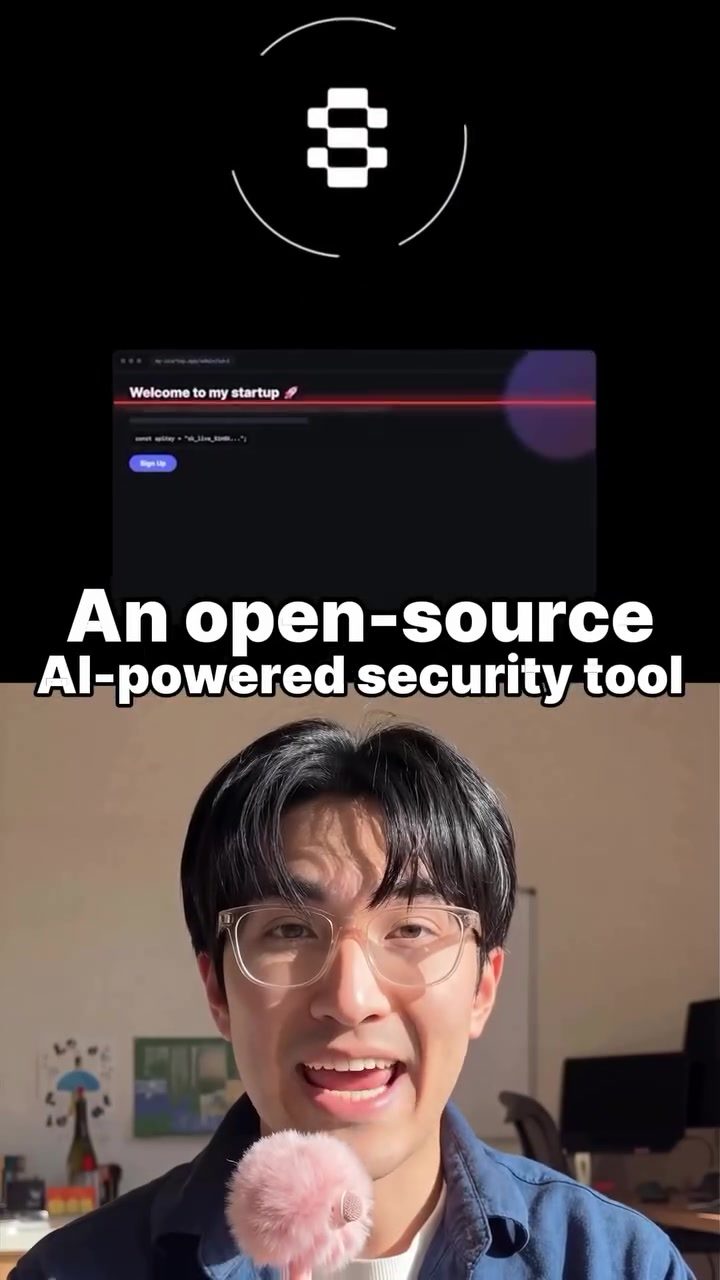
AI-powered security tools are revolutionizing the way software is developed and secured, with Strix, an open-source AI tool, recently surpassing 45,000 GitHub stars. This significant achievement highlights a growing trend in software security: the shift towards adversarial and continuous security measures.
Continuous and adversarial security has become a critical focus in the realm of software development. Traditional methods often involve scanning code for vulnerabilities, but modern tools like Strix are taking a more proactive approach. By deploying specialized agents that mimic the behavior of real attackers, these tools can test live applications, identify genuine vulnerabilities, and suggest fixes before the software is even launched.
Why This Matters
Security has always been a cornerstone of software development, but the rapid pace of technological advancement has made it more challenging to keep up. The balance between faster shipping cycles and robust security testing is delicate, and any imbalance can lead to a larger attack surface. As such, the push for continuous and adversarial security measures is more than just a trend—it is a necessity.
The Role of AI in Adversarial Security
Simulating Real-World Attacks
One of the key advancements in security tools like Strix is their ability to simulate real-world attacks. By using specialized agents that behave like attackers, these tools can identify vulnerabilities that might go undetected through traditional scanning methods.
Autonomous AI Agents
Strix employs autonomous AI agents to perform penetration testing (pentesting) on live applications. These agents are designed to explore and exploit vulnerabilities just as an attacker would, providing a comprehensive assessment of potential security risks. This approach not only identifies vulnerabilities but also suggests fixes, ensuring that the application is secure before it is deployed.
Continuous Testing in CI/CD Pipelines
A significant advantage of using tools like Strix is their seamless integration with Continuous Integration/Continuous Deployment (CI/CD) pipelines. By incorporating continuous testing into the development process, teams can ensure that security is a part of every iteration, rather than an afterthought.
Open-Source and Community-Driven
Strix is available under the Apache 2.0 license, making it an open-source tool that benefits from community contributions. This open-source nature allows for continuous improvement, as developers from around the world can contribute to its development and enhancement.
Practical Tips for Implementing Continuous, Adversarial Security
1. Integrate AI-Powered Tools Early
Start integrating AI-powered security tools into your development pipeline as early as possible. This ensures that security is a part of the development process from the beginning, rather than an afterthought.
2. Simulate Real-World Attacks
Use tools that can simulate real-world attacks to identify vulnerabilities that might not be detected through traditional scanning methods. This proactive approach can help you stay ahead of potential threats.
3. Leverage Autonomous AI Agents
Autonomous AI agents can perform comprehensive penetration testing, providing a detailed assessment of potential security risks. This approach not only identifies vulnerabilities but also suggests fixes, ensuring that the application is secure before deployment.
4. Embrace Continuous Testing
Continuous testing in CI/CD pipelines ensures that security is a part of every iteration. This approach helps in identifying and fixing vulnerabilities early in the development process, reducing the risk of security breaches.
5. Engage with the Open-Source Community
Tools like Strix benefit from community contributions, making them a valuable resource for developers. Engaging with the open-source community can provide access to a wealth of knowledge and resources, helping you stay ahead of the curve in security.
Important Takeaways
-
The Shift to Adversarial Security: The rise of AI-powered security tools like Strix marks a significant shift towards adversarial security measures. This approach involves simulating real-world attacks to identify and fix vulnerabilities before they can be exploited.
-
Continuous Security in Development: Continuous testing in CI/CD pipelines ensures that security is a part of every iteration, reducing the risk of security breaches.
-
The Power of Open-Source Tools: Open-source tools like Strix benefit from community contributions, providing a wealth of knowledge and resources for developers. This collaborative approach helps in continuous improvement and enhancement of the tool.
-
Autonomous AI Agents: Autonomous AI agents can perform comprehensive penetration testing, providing a detailed assessment of potential security risks. This proactive approach helps in staying ahead of potential threats.
Conclusion
The success of Strix, an AI-powered open-source security tool, underscores the growing importance of adversarial and continuous security measures in software development. By simulating real-world attacks and integrating continuous testing into CI/CD pipelines, developers can stay ahead of potential threats and ensure the security of their applications. As software development continues to evolve, embracing these new approaches will be key to maintaining robust and secure systems.
Questions readers ask
What is Strix and why is it significant in the field of software security?
Strix is an open-source AI-powered security tool that has garnered over 45,000 GitHub stars. Its significance lies in its innovative approach to software security, which focuses on continuous and proactive measures to identify and fix vulnerabilities before software deployment. This makes it a notable example of the evolving landscape in AI-powered security.
How does Strix differentiate from traditional security tools?
Unlike traditional security tools that primarily scan code for vulnerabilities, Strix uses specialized agents to mimic real-world attacks. This adversarial testing approach allows Strix to identify genuine vulnerabilities and suggest fixes in real-time, offering a more dynamic and effective security solution.
What are continuous security measures and how does Strix implement them?
Continuous security measures involve ongoing, real-time monitoring and testing to ensure software remains secure throughout its development and deployment. Strix implements these measures by continuously deploying agents that test live applications, identify potential threats, and apply fixes, ensuring constant protection.
Why is the number of GitHub stars important for tools like Strix?
The number of GitHub stars is a strong indicator of a tool's popularity and community support. Strix's 45,000 GitHub stars demonstrate its widespread adoption and the trust developers place in it for enhancing software security, reflecting its effectiveness and reliability in the AI-powered security domain.
How can AI-powered security tools like Strix benefit software developers?
AI-powered security tools like Strix benefit developers by automating the process of identifying and fixing vulnerabilities. This not only saves time and resources but also ensures that the software is more secure from the start, reducing the risk of post-deployment security breaches.
What is adversarial testing and how does it enhance software security?
Adversarial testing involves simulating real-world attacks to test a system's defenses. By using this method, tools like Strix can identify vulnerabilities that traditional scanning might miss, making it a more comprehensive approach to enhancing software security.
Can Strix be integrated into existing development workflows?
Yes, Strix is designed to integrate seamlessly into existing development workflows. Its continuous and proactive approach means it can be used alongside other tools and processes, providing an added layer of security without disrupting the development cycle.
Recent articles
Fresh deep dives from the latest Reels we unpacked.




Comments
Be the first to comment.