The Male Factor
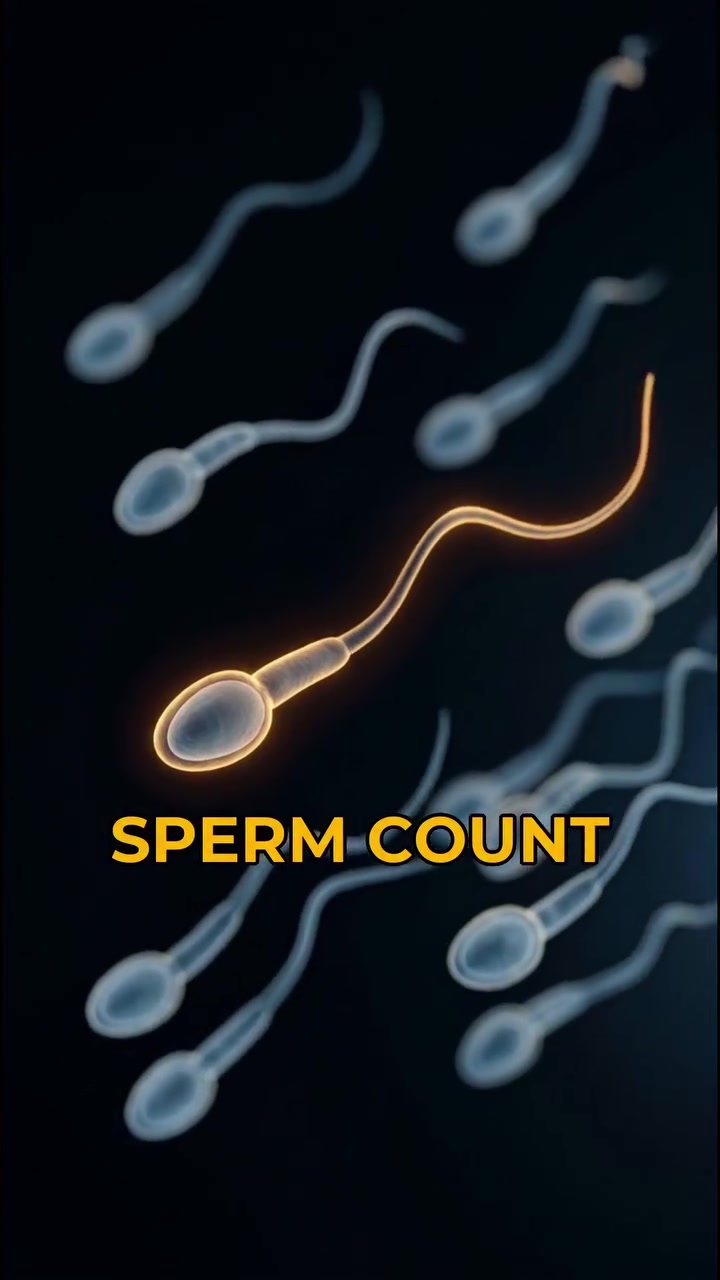
Sperm count among Western men has plummeted by more than half in just 50 years. From 1973 to 2018, the concentration of sperm in the average man's semen dropped by 51.6%, according to a meta-analysis of 223 studies. That is a steep decline for a trait that spans just one generation. This trend has accelerated even more since the year 2000, raising urgent questions about what factors might be driving this sharp drop. The data visualizes the distance between a man's sperm count then and now, underscoring the significant gap that has opened in just a half-century.
A New Reality for Male Fertility
The decline in sperm counts is a symptom of a larger trend in male fertility. Western men today have a 51% decline in western sperm concentration between the years of 1973 and 2018. Modern lifestyle factors have surely played a role in altering our reproductive health. Researchers in "Human Reproduction Update" pulled apart the numbers, weighing everything from endocrine disruptors to microplastics and the modern diet. Endocrine disruptors are chemicals that interfere with the body's hormonal systems. Some of the most common endocrine disruptors are phthalates and BPA. Preserving our fertility will require us to recognize the impacts of these chemicals and adjust accordingly. Overall, these are crucial pieces of the puzzle that must be considered. Microplastics are now being detected in human reproductive tissue. Primarily through ingestion, inhalation, and skin contact in the environment, microplastics have become an alarming and inescapable part of human biology, in addition to being a direct contributor to our overall health. There's also the "modern diet". It has changed significantly, and seed oils and ultra-processed foods have become commonplace in what we eat. The male grandfather is the ideal baseline to measure against, because they were not affected by these modern problems, and thus their sperm concentration was naturally higher.
Chemical Connections. Endocrine disruptors, microplastics, and the modern diet.
Chemicals in the Modern World
Endocrine disruptors like BPA and phthalates are ubiquitous in modern life. These chemicals, which affect our hormone systems, are found in the way we eat, drink, and breathe. Plastic-laden drinks get ingested. Plastic wrap gets inhaled. Microplastics are inhaled everywhere. Identifying the endocrine disruptors in the environment will require a deeper understanding of their effects and the dangers that they present. The chemical structure and effects of these substances are only just beginning to be understood.
The Invisible Threat of Microplastics
Microplastics have been detected in human reproductive tissue. It's a frightening discovery that highlights the extent to which these tiny particles have infiltrated our bodies. Microplastics and nanoplastics are now detectable in almost every organism on earth. Humans are not the exception. Microplastics are now part of the human experience, with the inhalation of plastic dust and ingestion of plastic particles occurring in the everyday. They have been shown to disrupt the production and transportation of sperm, contributing to male infertility. How we mitigate the exposure and impact of microplastics, as well as avoiding future damage, is vital.
The Modern Diet's Dark Side
The modern diet has shifted towards processed foods and seed oils, which may also contribute to declining sperm counts. 30 years ago, seed oils and ultra-processed foods were not a normal part of the human diet. It's a shift that has occurred over the past few decades, and the effects are now being felt in our reproductive health. The average ultra-processed diet is full of carcinogens, and seed oils are a primary ingredient. They have been linked to inflammation and oxidative stress, both of which can impact sperm production and quality. The modern diet emphasizes convenience and high-calorie foods over nutrient-dense whole foods.
Why It Isn’t Easily Reversed
The alarming trend of declining sperm counts is a complex issue with no immediate solution. The environmental, dietary, and chemical factors that contribute to this decline are deeply ingrained in modern life. As well as the broader impacts of the decline, such as the increasing use of reproductive technologies, there are very few studies exploring the long-term effects of declining sperm counts. What is certain, is that it presents a stark challenge to future fertility, and to public health.
Future Projections for Male Fertility
A steep decline that is accelerating
If the current trends continue, the future of male fertility is cause for concern. The decline in sperm counts has accelerated since the year 2000, and it's clear that if the underlying factors aren't addressed, we'll continue to see a sharp drop in male fertility. The future of male fertility projections are stark. According to the current trends, future generations will likely see a continued decline in sperm counts. It's a future where reproductive health is compromised and where fertility treatments become increasingly necessary.
The alarming future
This trend has serious implications. Many individuals and couples will face challenges in conceiving naturally, and the demand for assisted reproductive technologies will likely increase. At the same time, the rise of infertility can have major implications for future generations. As the trend towards a world where infertility is common, it will likely impact future generations on a large scale. There will be a range of challenges that future generations will face, including not being able to reproduce naturally. The increasing prevalence of infertility and the use of reproductive technologies will likely lead to a shift in societal attitudes towards childbearing.
Unlocking Male Fertility: Strategies for a Sustainable Future
Regardless of your age or current health status, it's never too early to start making positive changes to support your future fertility. There are a number of evidence-based strategies that men can adopt to improve their reproductive health.
- Limit Exposure to Endocrine Disruptors: Avoid drinking and eating from plastic containers and use plastic for as little as possible. Scientists are working to understand the implications of these factors and develop strategies to mitigate their effects. In the meantime, individuals can take proactive steps to protect their reproductive health by limiting exposure to endocrine disruptors, reducing plastic use, and adopting a healthier diet.
- Reduce Plastic Intake: The United Nations estimates that 99% of humans are exposed to microplastics. Even if it is not possible to be completely plastic-free, limiting plastic intake is a step in the right direction. Reducing exposure to plastic and manufactured products can improve individual health and help to protect fertility.
- Ditch the Seed Oils: Embrace a diet rich in whole foods, lean proteins, and healthy fats, such as those found in avocados, nuts, and olive oil. It's a more sustainable approach as well as healthier for fertility.
- Adopt a Healthy Diet: What we eat has a significant impact on our overall health, including our reproductive system. By adopting a healthier diet, individuals can protect their fertility and improve their overall health and well-being.
Questions readers ask
What exactly is the significance of a 51.6% drop in sperm count among Western men?
The significance of a 51.6% drop in sperm count is that it represents a dramatic decline in male fertility over a relatively short period. This steep drop raises urgent questions about the factors driving this trend, as it could have substantial implications for reproductive health and the overall health of the population.
How do endocrine disruptors like BPA and phthalates affect sperm count?
Endocrine disruptors like BPA and phthalates interfere with the body's hormonal systems, which can disrupt the production and function of sperm. These chemicals are found in many everyday products, from plastic containers to cosmetics, and their widespread use makes them a significant concern for male reproductive health.
What are microplastics, and how do they end up in human reproductive tissue?
Microplastics are tiny plastic particles that are now ubiquitous in the environment. They can enter the human body through ingestion, inhalation, and skin contact. Once inside, they have been found in human reproductive tissue, where they can potentially disrupt sperm production and overall reproductive health.
Can the modern diet contribute to the decline in sperm count, and if so, how?
The modern diet, which often includes a high intake of seed oils and ultra-processed foods, has been linked to the decline in sperm count. These dietary changes may alter hormonal balance and overall reproductive health, contributing to the observed drop in sperm concentration.
What can individuals do to protect their fertility from these modern threats?
To protect fertility, individuals can take steps to reduce exposure to endocrine disruptors and microplastics. This might involve choosing products without harmful chemicals, eating a healthier diet, and minimizing contact with plastics. Regular check-ups and a healthier lifestyle can also help mitigate the potential impacts on reproductive health.
Are there any specific studies or research that have been conducted on the impact of microplastics on male fertility?
Research is ongoing, but studies have already detected microplastics in human reproductive tissue, raising concerns about their potential impact on sperm production. More research is needed to fully understand the extent and mechanisms of this impact, but the presence of microplastics in reproductive tissue is an alarming discovery.
How does the sperm count of men today compare to that of their grandfathers?
The sperm count of men today is significantly lower than that of their grandfathers. This is likely due to the absence of modern lifestyle factors, such as endocrine disruptors, microplastics, and the modern diet, which have contributed to the 51.6% decline in sperm concentration over the past 50 years.
Related deep dives
Similar reads based on topic and creator.



Recent articles
Fresh deep dives from the latest Reels we unpacked.




Comments
Be the first to comment.