Solar Trees: A Innovative Concept in Renewable Energy
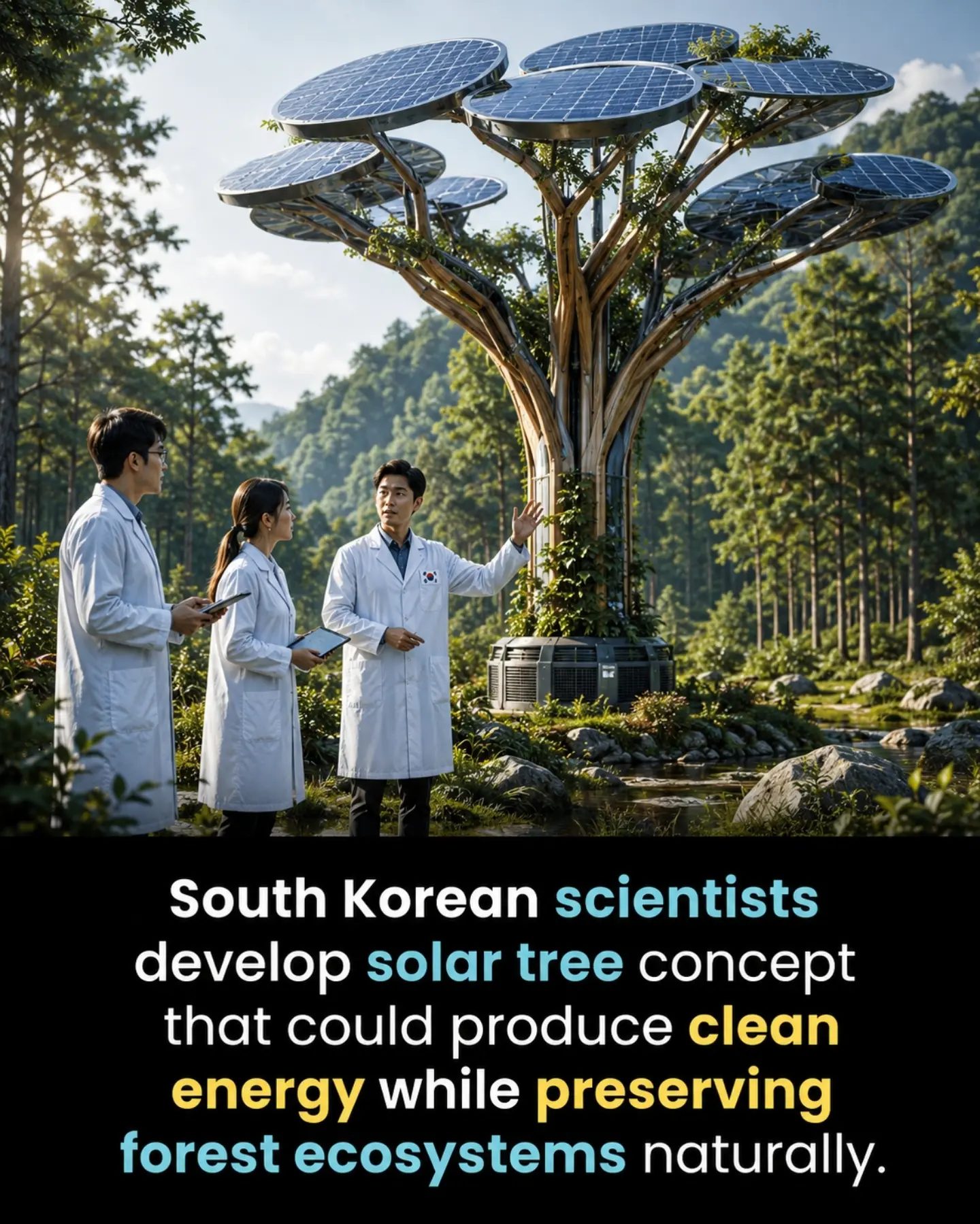
South Korean scientists have introduced an innovative concept that blends renewable energy production with environmental preservation: the solar tree. This unique structure mimics the appearance of a natural tree while integrating solar panels, making it an intriguing solution for generating clean energy in forest ecosystems.
Why this matters
This concept holds significant potential for advancing renewable energy while minimizing environmental impact. By mimicking natural trees, solar trees could offer a stealthy, eco-friendly alternative to traditional solar farms, which often require large, open spaces and can disrupt local ecosystems. The integration of solar energy production within forest settings could pave the way for sustainable energy solutions that coexist harmoniously with nature.
The Science Behind Solar Trees
Mimicking Nature
The solar tree concept draws inspiration from the natural world. Just as trees provide shade and support local ecosystems, solar trees aim to do the same while generating clean energy. By designing the structure to resemble a natural tree, scientists hope to create a solution that is both aesthetically pleasing and functionally effective. The solar panels are strategically placed to maximize sunlight exposure, ensuring optimal energy production.
Energy Production
The primary function of a solar tree is to produce clean energy. Solar panels are integrated into the structure, allowing the tree to harness the power of the sun and convert it into electricity. The design of the solar tree ensures that it can generate energy efficiently, even in varied weather conditions. This makes it a reliable source of renewable energy, contributing to a more sustainable future.
Environmental Benefits
One of the standout features of the solar tree concept is its potential to preserve forest ecosystems. Traditional solar farms often require large areas of land, which can lead to deforestation and habitat loss. In contrast, solar trees can be installed within existing forest settings, minimizing disruption to local flora and fauna. This approach not only supports renewable energy production but also promotes environmental conservation.
Practical Tips for Implementing Solar Trees
Site Selection
Choosing the right location for solar trees is crucial. Ideally, they should be placed in areas with ample sunlight and minimal shading from other trees. This ensures that the solar panels can capture as much sunlight as possible, optimizing energy production. Additionally, selecting sites that are already deforested or have sparse vegetation can help avoid further environmental disruption.
Installation and Maintenance
Installing solar trees requires careful planning and execution. The structure must be sturdy and designed to withstand various weather conditions. Regular maintenance is also essential to ensure that the solar panels remain clean and functioning optimally. This includes periodic cleaning to remove dirt and debris, as well as checking for any signs of wear and tear.
Integration with Existing Infrastructure
To maximize the benefits of solar trees, it's important to integrate them with existing infrastructure. This can include connecting the solar trees to a local power grid, allowing the energy they produce to be distributed to nearby communities. Additionally, integrating solar trees with other renewable energy sources, such as wind turbines, can create a more comprehensive and sustainable energy system.
Public Awareness and Support
Public awareness and support play a vital role in the successful implementation of solar trees. Educating the public about the benefits of solar trees and their potential to preserve forest ecosystems can help garner support for these projects. Community involvement and engagement are also crucial, as they can provide valuable insights and feedback that can shape the development and implementation of solar trees.
Important Takeaways
Solar trees represent a groundbreaking concept in renewable energy. By mimicking natural trees and integrating solar panels, they offer a sustainable solution for generating clean energy while preserving forest ecosystems. The potential benefits of solar trees are vast, from energy production to environmental conservation. Implementing solar trees requires careful planning, from site selection to integration with existing infrastructure. Public awareness and support are also essential for the successful implementation of these innovative structures.
Conclusion
The solar tree concept developed by South Korean scientists is a fascinating advancement in the field of renewable energy. By blending innovative technology with environmental conservation, solar trees offer a promising solution for generating clean energy while preserving natural ecosystems. As the world continues to seek sustainable energy solutions, the solar tree concept stands out as a beacon of hope and innovation.
With careful planning and implementation, solar trees have the potential to revolutionize the way we produce and consume energy, paving the way for a more sustainable and environmentally friendly future.
Questions readers ask
What is a solar tree and how does it work?
A solar tree is a innovative design developed by South Korean scientists that resembles a natural tree but is equipped with solar panels. It generates clean energy by harnessing sunlight, mimicking the appearance of trees to integrate seamlessly into forest environments. This design allows for renewable energy production without displacing local ecosystems.
How do solar trees differ from conventional solar farms?
Solar trees stand out from conventional solar farms by blending into their surroundings, especially in forest settings. Traditional solar farms often require vast, open spaces and can disrupt local ecosystems, whereas solar trees are designed to coexist with nature, offering a subtle and eco-friendly approach to solar energy production.
What are the environmental benefits of solar trees?
Solar trees provide a unique advantage by generating clean energy without disrupting natural ecosystems. By mimicking natural trees, they allow for solar energy production in forest environments, preserving biodiversity and minimizing the environmental impact typically associated with solar farms. This makes solar trees a promising solution for eco-friendly renewable energy.
Can solar trees be integrated into existing forests?
Yes, solar trees are specifically designed to be integrated into existing forests. Their tree-like structure allows them to blend in with natural surroundings, making them an ideal solution for generating solar energy in forest settings without causing disruption to the local environment or wildlife.
What makes the solar tree concept a significant innovation in renewable energy?
The solar tree concept is significant because it addresses the challenge of generating renewable energy while preserving natural environments. By providing a stealthy, eco-friendly alternative to traditional solar farms, solar trees offer a promising pathway for advancing clean energy production in a way that respects and conserves ecosystems.
How do South Korean solar trees contribute to sustainable energy practices?
South Korean solar trees contribute to sustainable energy practices by offering a unique solution for generating clean energy in forest environments. Their design not only produces renewable energy but also prioritizes environmental conservation, making them an effective tool for promoting sustainable energy practices in harmony with nature.
Where can I find more information about South Korean solar panel designs?
To learn more about South Korean solar panel designs and the innovative solar tree concept, you can explore various renewable energy sources, research institutions, and environmental blogs. These resources often provide detailed insights into the latest advancements and innovations in renewable energy technologies.
Related deep dives
Similar reads based on topic and creator.




Recent articles
Fresh deep dives from the latest Reels we unpacked.




Comments
Be the first to comment.