The Voluntary Hawker Tax
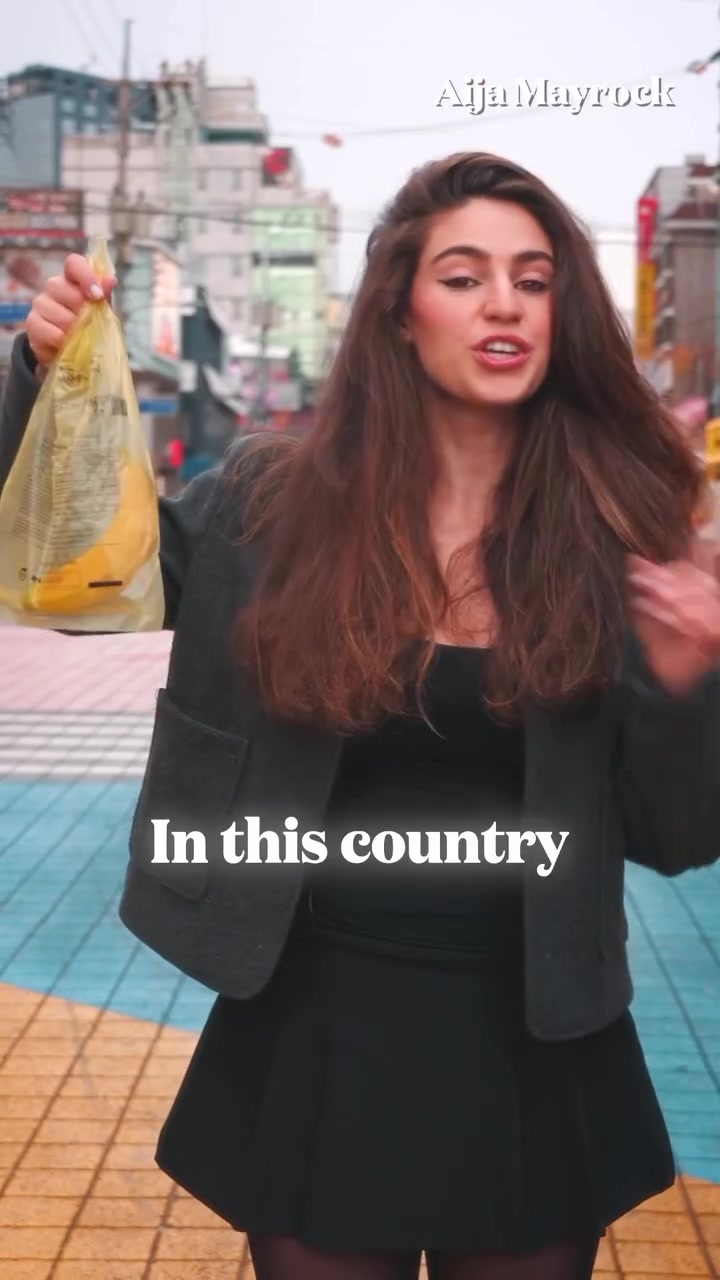
South Korea has a unique system for waste management. If you are in Seoul, you have to pay to trash out. This doesn't mean you have to pay a high fee to actually throw out your trash, but a fee for the bag you need to throw it out in. How does it work? You cannot just throw space trash out. You have to buy a specific bag for the exact amount of trash that you have. This is a kind of system that is made for the waste that encourages people to not have so much waste because you have to pay for the trash bag. For many visitors, the South Korean waste management system comes as a surprise. There are specific bags for different types of trash, with prices varying based on bag size. The larger the bag, the higher the cost. And the bigger the bag, the more money that you have to pay. "South Korea is a pretty small country. 30 years ago, South Korea was worried that as the country developed, there wouldn't be enough landfills for all of the trash people were throwing out. So they came up with an idea: Let's encourage people to have less waste by making them pay for their waste,” Mayrock.
A song of land and trash
The pay-per-bag system works because recycling is free. This means that the more waste you generate, the more bags you need to buy, which incentivizes people to produce less waste. Similarly, sorting your trash into plastics, paper, and glass, all of which are measured separately, is another important part of the system. Fines of $70 can seem extreme, but It's not like there's any way around this. South Korea's approach to waste management has been incredibly effective. Today, 78% of Korea's total waste is recycled. This success is largely due to the country's proactive engagement with sustainability.
How It Works
Air Tight Bags
In South Korea, waste bags are color-coded, and each color signifies a specific type of trash. These are standard sizes. These are standard sizes so there are no large trash bags but smaller bags. All bags are priced differently, with larger bags costing more, so you have to pay more to get a bigger bag which encourages people to sort through their trash. Another notable feature is the clear line markings on the bags. If you try to squeeze more trash than the bag’s designated volume, you'll notice that the trash cannot go over this line. But the waste that are over this line you are got charged you. This means you need to buy additional bags which only heightens the incentive to produce and dispose of less trash.
Free Recycling
Recycling in South Korea is free and completely incentivized in the South Korean system. This encourages people to sort through their plastics, paper, and glass, which are measured separately. The system is highly efficient, so much so that one out of four people are recycling. South Korea is one of the top recycling countries in the world.
Why It's Effective
Full Circle Approach
South Korea’s waste management system is comprehensive. As the country developed, there wouldn't be enough landfills for all of the trash people were throwing out so they came up with a smart and sustainable idea to prevent large quantity of waste from going into the landfill by paying for the waste. This effectively incentivizes waste reduction, ensuring the system works.
No Loopholes
There are no trash bins in public areas, which forces people to carry their trash until they find a designated recycling bin. This might seem extreme, but it works, ensuring that waste is properly sorted and recycled. A perfect no loophole system.
Accountability
The system is enforced by cameras that catch anyone who tries to overfill bags or violate the rules. Those caught are fined, making the system highly accountable. Because it's not likely there's anyway around this, South Korea is a pretty small country, where the rules of this system are known to everyone, This means everyone is accountable.
Seeing It in Action
Feeling inspired to try trash-bagging? Most countries don’t have this luxury. While it might seem extreme, the system works. You may have to wait for a while, to see a South Korean working on this system, but the results of the pay-per-bag system in South Korea are evident. Street scenes are remarkably clean, and the recycling rate is astonishing. Visitors can see the effects firsthand, making it a unique and educational experience.
Questions readers ask
How much do the trash bags in Seoul cost?
The cost of trash bags in Seoul varies based on size. Smaller bags are cheaper, while larger bags cost more. This pricing structure encourages residents to minimize their waste to avoid higher costs. Specific pricing details aren't provided, but the key point is that larger bags, designed for more waste, come at a premium.
What happens if I put too much trash in a bag?
If you overfill a trash bag beyond the designated line, you'll be charged extra. This is because the bags are designed to hold a specific amount of trash, and exceeding this limit means you'll need to buy additional bags, which adds to your cost. The system is designed to discourage overfilling and encourage proper waste disposal.
Can I use regular trash bags instead of the special ones in Seoul?
No, you cannot use regular trash bags in Seoul. The city requires the use of specific, color-coded bags for different types of trash. These bags are priced differently based on size, and using anything else is not allowed. This system helps with sorting and recycling efforts, and it ensures that residents pay for their waste disposal.
Where can I buy these special trash bags in Seoul?
Special trash bags in Seoul can be purchased from various convenience stores and supermarkets. They are widely available, and you can find them in different sizes and colors. The bags are color-coded to indicate the type of waste they are meant for, and the prices vary based on the bag's size.
How does the recycling system work in South Korea?
In South Korea, recycling is completely free and incentivized. Residents are encouraged to sort their trash into plastics, paper, and glass, all of which are measured separately. The pay-per-bag system for regular waste makes recycling an attractive option, as it helps people avoid the cost of buying trash bags. This has led to a high recycling rate, with 78% of Korea's total waste being recycled.
Related deep dives
Similar reads based on topic and creator.


Recent articles
Fresh deep dives from the latest Reels we unpacked.




Comments
Be the first to comment.