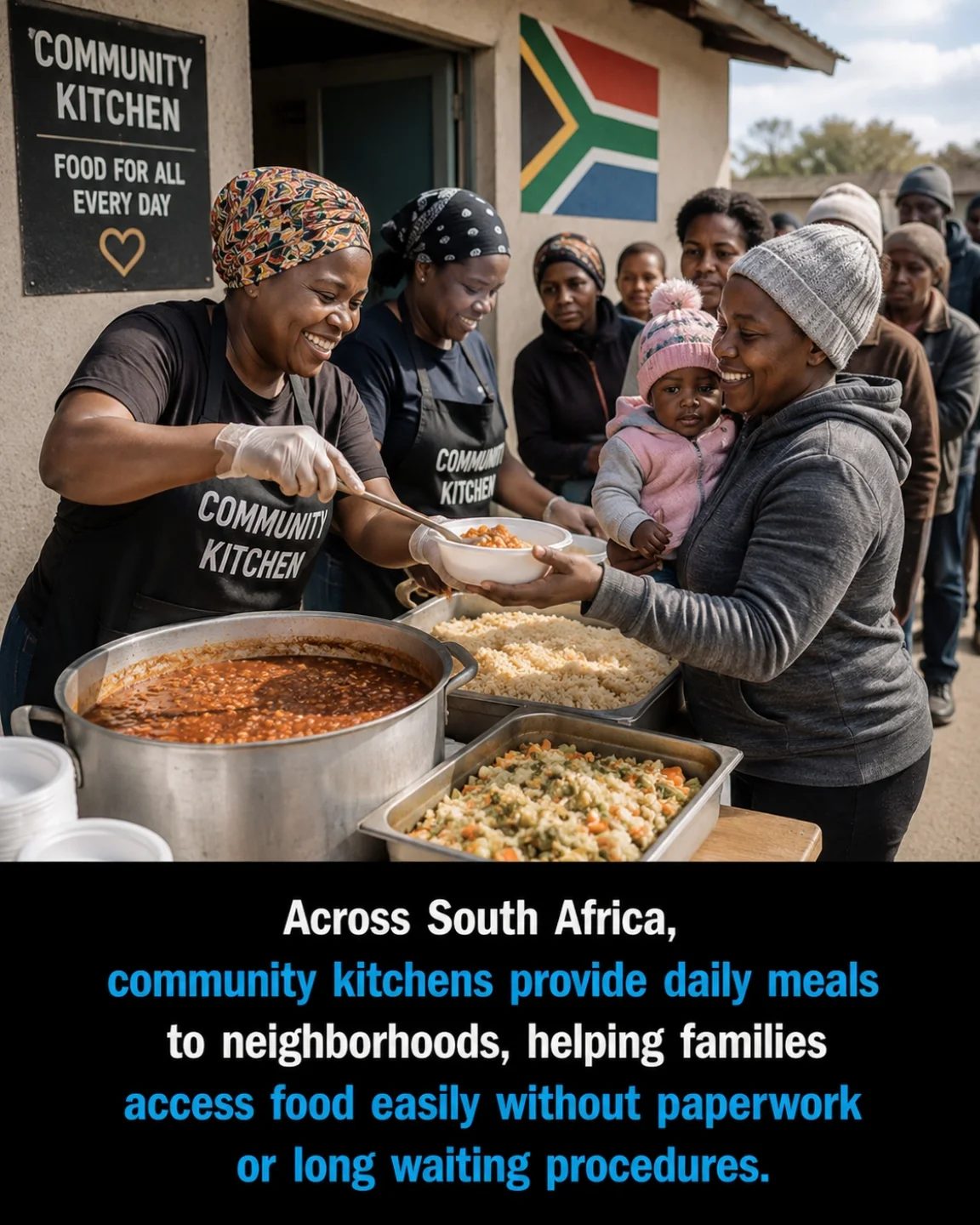
Community Kitchens in South Africa: A Daily Lifeline
Community kitchens across South Africa serve as vital hubs for providing daily meals to families in need. These initiatives are designed to make food access easy and efficient, avoiding the bureaucratic hurdles and long wait times often associated with traditional food assistance programs.
Why This Matters
Food insecurity is a significant challenge in many parts of South Africa. Community kitchens play a crucial role in addressing this issue by ensuring that families have access to nutritious meals every day. These kitchens are more than just places to eat; they are community centers that foster a sense of belonging and support.
The Role of Community Kitchens
Daily Meals for All
Community kitchens in South Africa provide daily meals to neighborhoods, ensuring that families have access to food without the need for extensive paperwork or long waiting procedures. This approach makes it easier for families to get the food they need quickly and efficiently.
Simplifying Access
One of the key advantages of community kitchens is their streamlined process. The initiative aims to help families access food easily, eliminating the barriers that often prevent people from receiving the assistance they need. This simplicity is a significant factor in their success.
Volunteers: The Backbone
Volunteers are the backbone of these community kitchens. They work tirelessly to prepare and serve meals, ensuring that everyone in the community has access to food. The dedication of these volunteers is a testament to the power of community spirit and the importance of collective effort in addressing food insecurity.
The Process
Preparing the Meals
The preparation process involves several steps. Volunteers gather ingredients, often sourced locally to support the community's economy. They then cook large quantities of food to ensure that there is enough for everyone. The meals are typically balanced and nutritious, providing essential nutrients to those in need.
Serving the Community
Once the meals are prepared, volunteers serve them to the community members who come to the kitchen. The serving process is efficient and organized, with volunteers working in teams to ensure that everyone gets their meal quickly. This efficiency is crucial in managing the high demand for food in these communities.
The Impact
The impact of community kitchens is far-reaching. Beyond providing meals, these kitchens also offer a sense of community and support. They serve as gathering places where people can connect, share stories, and find comfort in knowing that they are not alone in their struggles.
Practical Tips for Running a Community Kitchen
Engaging the Community
One of the best ways to ensure the success of a community kitchen is to engage the community. This can be done by involving local leaders, reaching out to potential volunteers, and making the kitchen a welcoming space for everyone. The more people feel a sense of ownership and responsibility, the more likely they are to support and benefit from the kitchen.
Sourcing Ingredients Locally
Sourcing ingredients locally is another practical tip. This not only supports local farmers and businesses but also ensures that the food is fresh and nutritious. It can also help reduce costs, making it easier to sustain the kitchen in the long run.
Managing Resources
Effective resource management is crucial. This includes managing food supplies, volunteer schedules, and kitchen equipment. Proper planning and organization can help ensure that the kitchen runs smoothly and that resources are used efficiently.
Important Takeaways
Community kitchens in South Africa are a vital part of the social fabric, providing daily meals to families in need. They simplify the process of accessing food, making it easier for families to get the nourishment they need. The dedication of volunteers and the support of the community are key factors in the success of these kitchens.
Conclusion
Community kitchens in South Africa are more than just places to get a meal; they are centers of community support and solidarity. By providing daily meals and simplifying the process of accessing food, these kitchens play a crucial role in addressing food insecurity. The dedication of volunteers and the support of the community ensure that these kitchens continue to thrive, making a significant impact on the lives of those they serve.
Questions readers ask
How do community kitchens in South Africa ensure easy and efficient food access?
Community kitchens in South Africa streamline food access by providing daily meals directly to families in need, eliminating the need for extensive paperwork or long wait times. They operate as hubs that anyone can visit, ensuring immediate relief from hunger through their daily meal services.
What challenges do community kitchens in South Africa address?
Community kitchens in South Africa tackle food insecurity by offering consistent, nutritious meals. They help reduce hunger and malnutrition, especially in impoverished areas, by providing reliable and readily available food.
Can anyone volunteer to help at a community kitchen in South Africa?
Yes, many community kitchens in South Africa are volunteer-run and welcome help from the public. Volunteers can assist with meal preparation, serving, and general kitchen duties. Contacting a local community kitchen directly is the best way to learn about their specific needs and volunteer opportunities.
How do community kitchens in South Africa foster a sense of community?
Beyond providing meals, these kitchens serve as gathering places for community members, encouraging social interaction and mutual support. They create a space where people can engage with one another, share experiences, and build relationships, making them valuable community resources.
What types of meals are typically served at community kitchens in South Africa?
The meals served at community kitchens in South Africa vary but are designed to be nutritious and filling. They often include a balanced mix of proteins, carbohydrates, and vegetables, ensuring that those in need receive a wholesome meal that caters to diverse dietary requirements.
How are community kitchens in South Africa funded?
Community kitchens in South Africa often rely on a combination of government support, private donations, and fundraising events. Some may also receive food donations from local farms, supermarkets, and other organizations, helping to keep their operations sustainable and cost-effective.
What is the impact of community kitchens on immediate food relief in South Africa?
Community kitchens provide immediate food relief by serving large community meals on a daily basis. This ensures that families in need have access to food right away, rather than having to wait for other forms of assistance, making them a crucial component of South Africa's food supply system.
Recent articles
Fresh deep dives from the latest Reels we unpacked.




Comments
Be the first to comment.