Solar-Powered Ambulances: Revolutionizing Healthcare in Remote Areas
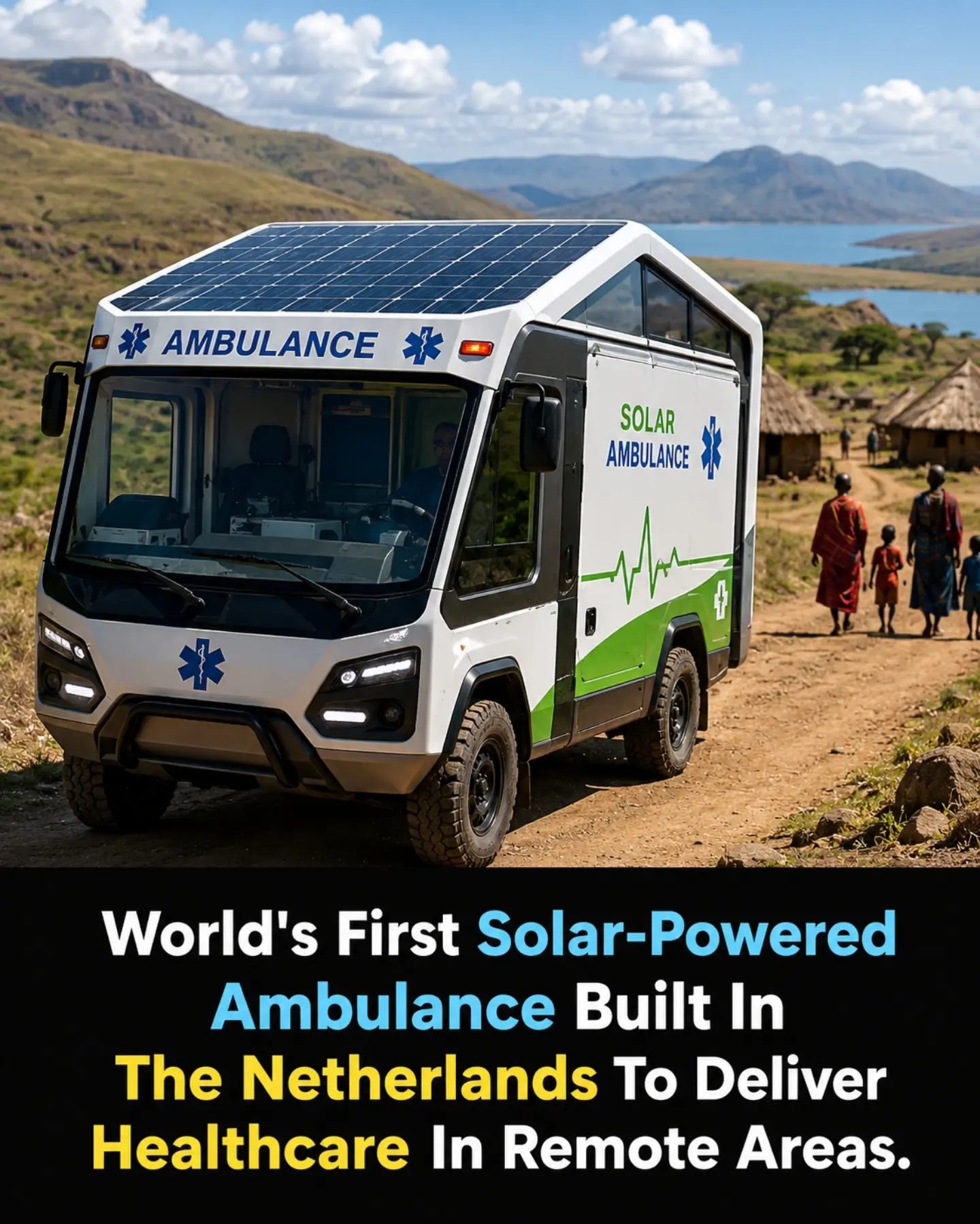
Solar-powered ambulances are emerging as a groundbreaking solution for delivering essential healthcare services to remote and underserved communities. These vehicles, designed with sustainability and accessibility in mind, are revolutionizing medical transport by leveraging renewable energy. One notable example is the world's first solar-powered ambulance, built in the Netherlands by the company SOLAR.
Context / Why this Matters
Access to healthcare is a fundamental human right, yet for many people living in remote areas, receiving timely medical care can be challenging. Traditional ambulances often struggle with fuel logistics, maintenance, and operational costs, especially in regions with limited infrastructure. Solar-powered ambulances address these challenges by providing a sustainable and cost-effective solution. These vehicles are equipped with solar panels that generate electricity, reducing dependence on conventional fuel sources and lowering operational costs.
Main Discussion
The Design and Innovation
The SOLAR ambulance is designed to be a game-changer in medical transport. With a white body and green accents, it stands out not just for its aesthetic appeal, but also for its practical features. The solar panels on the roof harness solar energy, converting it into electrical power for the vehicle. This design ensures that the ambulance can operate efficiently even in areas without reliable access to power grids.
Sustainability and Operational Efficiency
One of the primary advantages of solar-powered ambulances is their environmental sustainability. By utilizing solar energy, these vehicles significantly reduce carbon emissions compared to traditional fuel-based ambulances. This makes them an eco-friendly option for regions aiming to lower their carbon footprint. Additionally, the reduced fuel dependency means lower operational costs, which can be a major benefit for healthcare providers operating in resource-constrained environments.
Healthcare Delivery in Remote Areas
Remote areas, especially those in rural or isolated regions, are often underserved when it comes to healthcare. Traditional ambulances face logistical challenges in these areas, such as long travel distances, limited fuel availability, and difficult terrain. Solar-powered ambulances are designed to navigate these challenges effectively. Their ability to generate power on-the-go ensures that they can reach remote locations without interruption, providing vital medical support where it is most needed.
Community Impact
The impact of solar-powered ambulances extends beyond the medical services they deliver. These vehicles can also serve as a symbol of hope and progress for communities that have long struggled with limited access to healthcare. By demonstrating a commitment to sustainable and innovative healthcare solutions, these ambulances can inspire further investment and development in remote healthcare infrastructure.
Case Study: The SOLAR Ambulance in the Netherlands
The SOLAR ambulance, built in the Netherlands, exemplifies the potential of solar-powered medical transport. This vehicle has been designed to deliver healthcare services to remote areas efficiently. The Netherlands, known for its innovation and environmental sustainability, has provided an ideal testing ground for this groundbreaking technology. The SOLAR ambulance has been equipped with state-of-the-art medical equipment, ensuring that patients receive high-quality care even in the most challenging conditions.
Practical Tips
For healthcare providers and communities considering the adoption of solar-powered ambulances, here are some practical tips:
Assess Local Conditions
Understand the unique challenges and conditions of the areas you plan to serve. This includes evaluating the availability of sunlight, terrain, and existing infrastructure. This assessment will help determine the specific design and operational needs of the solar-powered ambulance.
Infrastructure and Maintenance
Ensure that there is a robust maintenance plan in place for the solar-powered ambulance. Regular checks on the solar panels, battery systems, and overall vehicle health are crucial to keep the ambulance operational. Additionally, training staff on the proper use and maintenance of the solar-powered systems is essential.
Community Engagement
Engage with the local community to understand their healthcare needs and expectations. This can help tailor the services provided by the solar-powered ambulance to meet the specific needs of the population. Community engagement can also foster trust and collaboration, ensuring that the ambulance is well-received and utilized effectively.
Important Takeaways
- Solar-powered ambulances offer a sustainable and cost-effective solution for delivering healthcare in remote areas.
- These vehicles reduce dependence on conventional fuel sources, lowering operational costs and environmental impact.
- The SOLAR ambulance, built in the Netherlands, showcases the potential of solar-powered medical transport with its innovative design and efficient operation.
Conclusion
Solar-powered ambulances represent a significant advancement in healthcare delivery, particularly for remote and underserved communities. By harnessing the power of the sun, these vehicles offer a sustainable and efficient solution to the challenges of medical transport. The SOLAR ambulance, a leading example of this technology, demonstrates the real-world benefits of adopting solar-powered medical transport. As we continue to innovate and invest in sustainable healthcare solutions, solar-powered ambulances are poised to play a pivotal role in improving access to healthcare for all.
Questions readers ask
How do solar-powered ambulances address the challenges of remote healthcare?
Solar-powered ambulances tackle the challenges of remote healthcare by providing a sustainable and cost-effective solution. They eliminate the need for extensive fuel infrastructure and reduce maintenance costs, making them ideal for underserved areas where traditional ambulances struggle.
What are the key benefits of using solar energy in healthcare vehicles?
Using solar energy in healthcare vehicles reduces operational costs and carbon emissions. This makes healthcare more accessible and environmentally friendly, particularly in regions where fuel is scarce or difficult to transport.
How does the design of solar-powered ambulances contribute to their effectiveness?
These vehicles combine sustainable energy sources and efficient design, making them reliable in remote locations. They are designed to be self-sufficient, ensuring they can operate in areas with limited resources.
What are the advantages for patients in remote communities?
For patients in remote communities, solar-powered ambulances mean quicker access to medical care without fuel delivery concerns. It also helps in reducing the environmental impact in these areas.
What companies are leading the development of solar-powered ambulances?
One of the leading companies is SOLAR, based in the Netherlands. They have pioneered the development of the world's first solar-powered ambulance, demonstrating the potential for this technology in improving remote healthcare solutions.
How do solar-panel ambulances compare to traditional ambulances in terms of operational costs?
Solar-panel ambulances significantly lower operational costs by reducing the need for fuel and minimizing maintenance requirements. This makes them a more affordable and practical solution for delivering healthcare in underserved regions.
What role do solar-powered ambulances play in emergency response in remote areas?
In remote areas, solar-powered ambulances enhance emergency response capabilities by providing a reliable and sustainable mode of transport. They ensure that medical aid can be delivered promptly, even in regions with limited infrastructure.
Related deep dives
Similar reads based on topic and creator.

Recent articles
Fresh deep dives from the latest Reels we unpacked.




Comments
Be the first to comment.