Sleep Habits and Their Impact on Rest
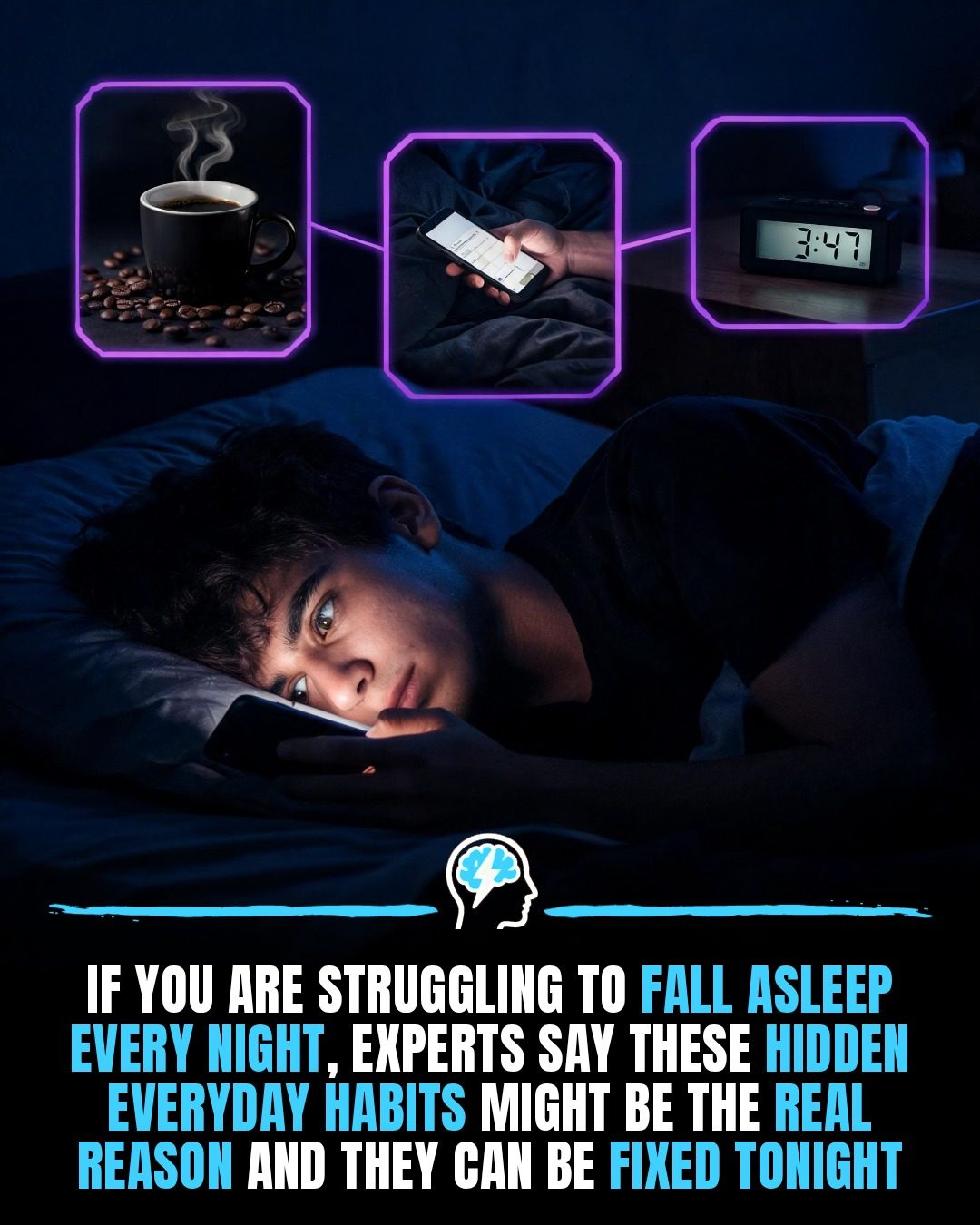
One bad night of sleep can set off a chain reaction, draining energy and clouding focus the next day. While many people blame a packed schedule, the real culprit is often a seemingly innocuous habit that goes unnoticed. Identifying and adjusting these habits can significantly improve sleep quality.
Context / Why this Matters
Sleep is crucial for overall health and well-being. It affects not just how you feel the next day, but also your long-term physical and mental health. Poor sleep habits can lead to a host of issues, including weakened immune function, increased stress, and even weight gain. Understanding and addressing the hidden habits that disrupt sleep can help you achieve deeper, more restful nights and improve your overall quality of life.
Main Discussion
The Digital Disruption
Scrolling through your phone late at night is one of the biggest sleep killers. The blue light emitted by screens tricks your brain into thinking it's still daylight, which suppresses the production of melatonin, a hormone that regulates sleep. This disruption can make it difficult to fall asleep and stay asleep.
To combat this, try turning off all screens at least an hour before bed. Instead of scrolling, engage in a relaxing activity like reading a physical book, listening to calming music, or practicing deep breathing exercises. Creating a digital curfew can help your brain wind down naturally, making it easier to fall asleep and stay asleep.
The Influence of Diet and Drinks
What you consume, especially in the late afternoon and evening, plays a significant role in how well you sleep. Caffeine, for instance, can stay in your system for hours, keeping you alert and wired when you should be winding down. Limit your caffeine intake after 2 PM to avoid its disruptive effects on your sleep cycle.
Alcohol, while it might help you fall asleep faster, can actually fragment your sleep and reduce the amount of deep sleep you get. To avoid this, limit your alcohol consumption, especially close to bedtime.
Heavy meals before bed can also interfere with sleep. Your body needs energy to digest food, which means it won't be able to focus on repairing tissues and consolidating memories, both of which happen during deep sleep. Eat your largest meal earlier in the day, and opt for a light snack if you must eat before bed.
Creating a Sleep Sanctuary
Your sleep environment plays a crucial role in how well you rest. Create a sanctuary that is cool, dark, and quiet. This kind of space helps your brain associate the environment with sleep, making it easier to fall asleep and stay asleep. Invest in blackout curtains, a comfortable mattress, and earplugs or a white noise machine if needed.
Maintaining a consistent sleep schedule is equally important. Try to go to bed and wake up at the same time every day, even on weekends. This helps regulate your internal clock, making it easier to fall asleep and wake up naturally without an alarm.
Practical Tips
Digital Disconnection
To improve sleep hygiene, implement a digital curfew at least an hour before bed. Use this time to engage in relaxing activities like reading, writing, or light stretching. This routine helps signal to your brain that it's time to wind down.
Monitor Caffeine and Alcohol
Keep track of your caffeine and alcohol intake, especially in the late afternoon and evening. Try to limit caffeine after 2 PM and avoid alcohol close to bedtime. Opt for decaffeinated beverages or herbal teas that promote relaxation.
Establish a Bedtime Routine
Create a consistent bedtime routine that includes activities that promote relaxation. This could involve reading a book, taking a warm bath, or practicing deep breathing exercises. The goal is to create a pattern that signals to your body it's time to sleep.
Optimize Your Sleep Environment
Ensure your bedroom is conducive to sleep. Keep it cool, dark, and quiet. Consider using earplugs, a sleep mask, or a white noise machine to block out disturbances. Invest in a comfortable mattress and pillows that support your body and promote restful sleep.
Manage Stress and Anxiety
Racing thoughts and stress can keep you alert and make it difficult to fall asleep. Incorporate stress-reducing activities into your bedtime routine, such as meditation, light stretching, or journaling. These practices can help calm the mind and body, making it easier to drift off to sleep.
Important Takeaways
The key to improving sleep is to identify and adjust the hidden habits that disrupt your sleep cycle. This includes reducing screen time before bed, being mindful of your diet and beverage choices, creating a sleep-conducive environment, and maintaining a consistent sleep schedule. By addressing these factors, you can enhance your sleep quality and wake up feeling refreshed and energized.
Conclusion
Addressing the small, everyday habits that interfere with your sleep can significantly improve your overall well-being. By recognizing the impact of digital devices, diet, and environment on sleep, you can take practical steps to create a restful night. Focus on simple adjustments like turning off screens an hour before bed, limiting caffeine and alcohol, and creating a sleep sanctuary. These changes can help you achieve deeper, more restful sleep, setting you up for a more energetic and productive day ahead.
Questions readers ask
What are some common habits that might be disrupting my sleep?
Some common habits that might be keeping you up at night include excessive screen time before bed, consuming late-night snacks, and maintaining an inconsistent sleep schedule. Other factors like a noisy sleep environment or an uncomfortable mattress can also disrupt your sleeping patterns.
How does screen time before bed affect my ability to fall asleep faster?
Bright screens from devices like smartphones, tablets, and TVs emit blue light, which can interfere with your body's production of melatonin. This hormone is crucial for regulating your sleep-wake cycle, and its disruption can make it harder for you to fall asleep and achieve deep sleep cycles.
Why should I avoid late-night snacks if I want to sleep well?
Eating late at night can disrupt your body's natural rhythm and digestive process. Large meals or spicy/acidic foods close to bedtime can lead to discomfort, causing you to wake up during the night. Additionally, eating too close to bedtime can interfere with your sleeping patterns, making it more difficult to achieve restful nights.
How can I improve my nighttime routine to enhance my sleep quality?
Establishing a consistent bedtime routine can help signal to your brain that it's time to sleep. This might include activities like reading a book, taking a warm bath, or practicing relaxation exercises. Maintaining a regular sleep schedule, even on weekends, can also help regulate your circadian rhythm and improve your overall sleep quality.
What role does my sleep environment play in achieving better rest?
A comfortable, quiet, and dark sleep environment can greatly improve your chances of a good night's rest. Consider using earplugs, an eye mask, or a white noise machine to block out disturbances. Additionally, invest in a comfortable mattress and pillows to support your body and promote better sleep. Maintaining a cool bedroom temperature, ideally between 60-67°F (15-19°C), can also enhance your sleep quality.
What can I do if I often wake up feeling tired, even after what seems like enough sleep?
If you wake up feeling tired, you may not be getting enough quality sleep, or your sleep may be disrupted by underlying issues. Review your night habits to ensure they support good sleep. If your environment is conducive to sleep, you may want to consult a healthcare professional who can help you identify and address any potential sleep disorders or other health issues affecting your sleep.
How long before bed should I stop using electronic devices?
You should aim to turn off all screens at least 30 to 60 minutes before your intended sleep time. This allows your brain to produce melatonin naturally, helping you fall asleep faster and achieve deeper sleep cycles. If you must use a device, consider enabling a blue light filter or using blue light-blocking glasses.
Related deep dives
Similar reads based on topic and creator.




Recent articles
Fresh deep dives from the latest Reels we unpacked.




Comments
Be the first to comment.