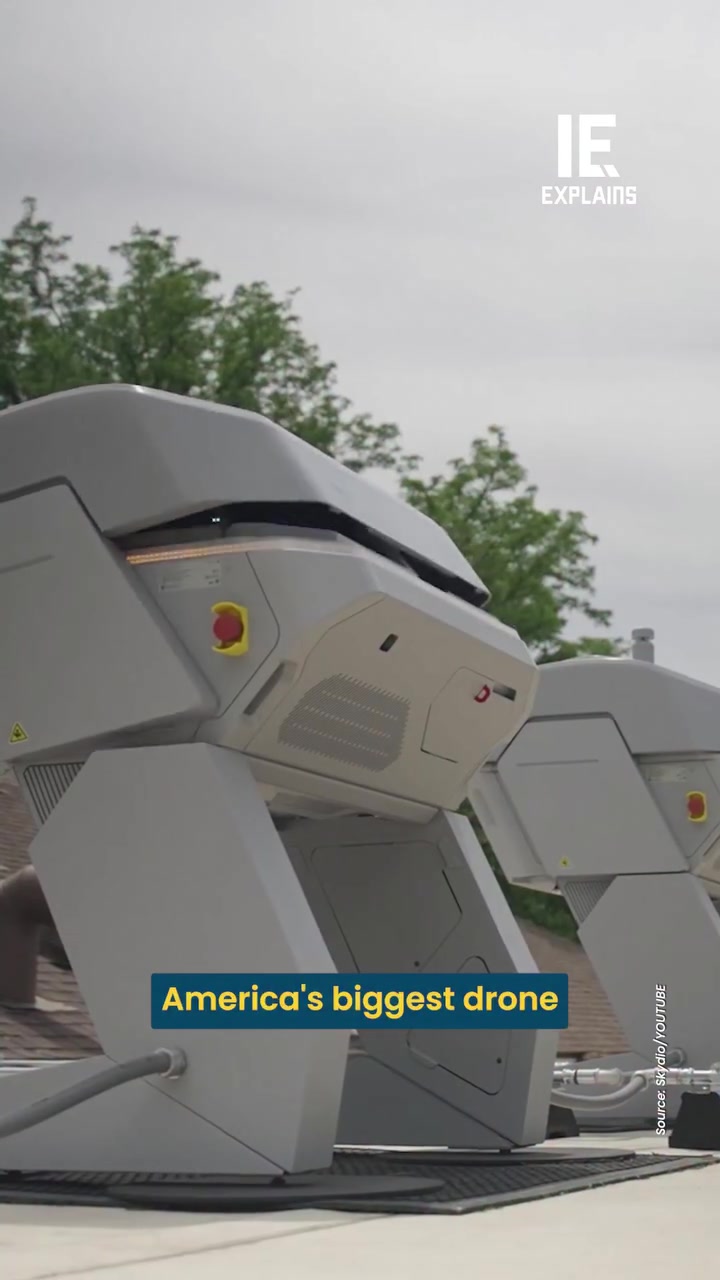
Skydio: a Selfie Drone Startup's Military Makeover
In March 2026, the US Army inked a $52 million deal for 2,500+ drones, making it the largest tactical drone order in the Army’s history. The drones? Made by Skydio, a company that started as a consumer selfie drone maker. Until 2023, Skydio was known for small, agile drones that could self-navigate through dense forests without crashing. These consumer drones were beloved for their ability to avoid obstacles and capture stunning aerial selfies. But the company’s pivot to military, police, and infrastructure drones has made it a cornerstone of American defense. Skydio’s drones are renowned for their autonomy. When GPS is unavailable, they forgo satellites and instead rely on onboard cameras and AI to map and navigate terrain. The company moved to this toolkit when it identified the government's restrictions on Chinese drones in US markets. The drones — spoonfed by AI and cameras — became available in 2014. It has since established a market for itself in the US and 29 allied nations.
A Drone Startup Feeds American Defense
After the transition from selfie drones to situational awareness, Skydio's success felt as impactful as a sudden rainfall. The company beat out other competitors in a 2022 Army bidding war by proving that its autonomous X2D drones could be used for short-range reconnaissance. The winning bid was worth almost 100 million dollars. In March 2026, Skydio expanded its reach by winning a program order for 2,500+ drones valued at $52 million. In 2025, Skydio signed a $74 million contract with the State Department, which ensured the company would retain a stronghold in drone manufacturing over the next five years. To aid in this, the company has committed $3.5 billion to expand its manufacturing capabilities, including a new plant five times its current size. A Metro Phoenix location houses the company's current manufacturing, testing, and operations. This site is where Skydio crafts its autonomous drones, which go on to serve as part of a self-aware US defense infrastructure.
The Strategic Advantage of Autonomous Drones
Skydio is lean into the arena of self-directed navigation. GPS-blocking tech and signal jamming are commonplace on active battlefields. This is what makes onboard cameras and AI so valuable — They can see obstacles and map terrain without relying on GPS or other satellites.
Skydio's Market Transition
Skydio’s transition from consumer to defense drones has been meteoric. It started as a selfie drone manufacturer in 2014, but the company pivoted to focusing on defense, police, and infrastructure drones in 2023. The shift—from a company developing consumer drones to one developing battlefield-ready tech—is as unexpected as a sudden downpour. Skydio has now sold more than 60,000 drones to the US Air Force and 29 allied nations.
The Pentagon's Interest
The Pentagon, aware of the strategic value of Skydio’s drones, found in Skydio a solution fulfilling its national security needs. In March 2026, the Army ordered over 2,500 X10D drones from Skydio, making it the largest single-vendor tactical drone order the Army has ever placed. The Pentagon noted that on a modern battlefield, autonomy is everything, and Skydio's drones deliver this in spades. This is why Skydio is a key supplier in the US defense inventory.
Skydio's Commitment
In mid-2025, the State Department signed a $74 million contract with Skydio just 72 hours after the request for proposal. They also agreed to a $3.5 billion investment to expand US manufacturing, a partnership now entrenched in federal defense infrastructure. Skydio's commitment to American defense reflects the country’s broader strategy to replace Chinese drones in key agencies. This not only bolsters the country's defense capabilities but also supports domestic manufacturing. This technological integration is a sign that American defense-minded manufacturers are in the process of adopting and supporting their own kind.
Military Drones in Motion
Skydio’s autonomous drones have proven themselves in the field. The Pentagon first noticed the company’s potential when it won the bid for the short-range reconnaissance program. To ensure success, the drones undergo rigorous testing in various environments to simulate real-world scenarios. The results have been impressive. By providing real-time data on terrain and potential threats, these drones can perform both surveillance and reconnaissance. This makes them invaluable on the battlefield.
Contours of a Dronescaping
A Skydio drone can map landscapes down to every blade of grass. Equipped with a camera, an array of sensors, and an onboard computer, the drone can navigate and map a landscape without relying on GPS. This makes it particularly useful in environments where GPS signals are unavailable or unreliable. It's also beneficial in hostile territories where GPS signals can be easily targeted. They look like an artist's dream as they gracefully move over fields, cities, and forests.
Preparing for Battle
With a range of over 2,500 units, Skydio isn't just a drone company. It's a military drone manufacturer, supplying drones for defense, policing, and infrastructure. It's commitment to the military has the nation's top-level brass calling for more.
Drones' Valuable Role in a Changing World
Skydio started as a selfie drone company. It has now become a vital part of American defense infrastructure. The company’s drones navigate autonomously using onboard cameras and AI, making them ideal for modern battlefields where GPS can be jammed. Practical steps for someone interested in working on drone technologies
- Specific Drone Programs: Look into specific military drone programs. The Pentagon noticed Skydio for a short-range reconnaissance program, so gaining experience or knowledge in this area could be beneficial.
- Technical Skills: Familiarize yourself with drone software and AI. These are critical to drone operation. Knowledge of AI algorithms and skills with computers can also prove invaluable.
- Legislative Environment: Stay updated on legislative actions around drones. For example, the push to remove Chinese drones from American agencies.
- Pilot programs: Contact military tech departments. For example, reaching out to the Army’s Short Range Reconnaissance program could provide insight into the specific criteria for drone technology adoption.
- Innovation: Identify a unique need. If Skydio didn't, drones might still be consumer toys with no place on a battlefield.
Questions readers ask
What prompted Skydio to shift from making selfie drones to defense drones?
Skydio's pivot from consumer selfie drones to defense drones was driven by government restrictions on Chinese drones in the US market. The company identified an opportunity to fill this gap with its own autonomous drone technology, which relies on onboard cameras and AI for navigation. This shift allowed Skydio to establish a strong presence in the US and allied nations.
How do Skydio's drones navigate without GPS?
Skydio's drones use a combination of onboard cameras and advanced AI to map and navigate terrain. This technology allows the drones to operate effectively even when GPS signals are unavailable or jammed, making them particularly valuable in military and surveillance operations.
What makes Skydio's drones stand out in the defense market?
Skydio's drones are renowned for their autonomy and agility. They can navigate complex environments without GPS, thanks to their onboard cameras and AI. This capability, along with their proven effectiveness in short-range reconnaissance and situational awareness, has made them a preferred choice for the US military and allied nations.
What is the significance of the $52 million deal with the US Army?
The $52 million deal with the US Army, which includes the delivery of over 2,500 drones, is significant because it is the largest tactical drone order in the Army’s history. This deal underscores the growing importance of autonomous drones in military operations and solidifies Skydio's position as a key player in the defense industry.
How has Skydio expanded its manufacturing capabilities?
Skydio has committed $3.5 billion to expand its manufacturing capabilities. This includes the construction of a new plant that is five times larger than its current facility, located in Metro Phoenix. This expansion will support the company's increasing orders from the US military and other defense contracts.
Related deep dives
Similar reads based on topic and creator.


Recent articles
Fresh deep dives from the latest Reels we unpacked.

Comments
Be the first to comment.