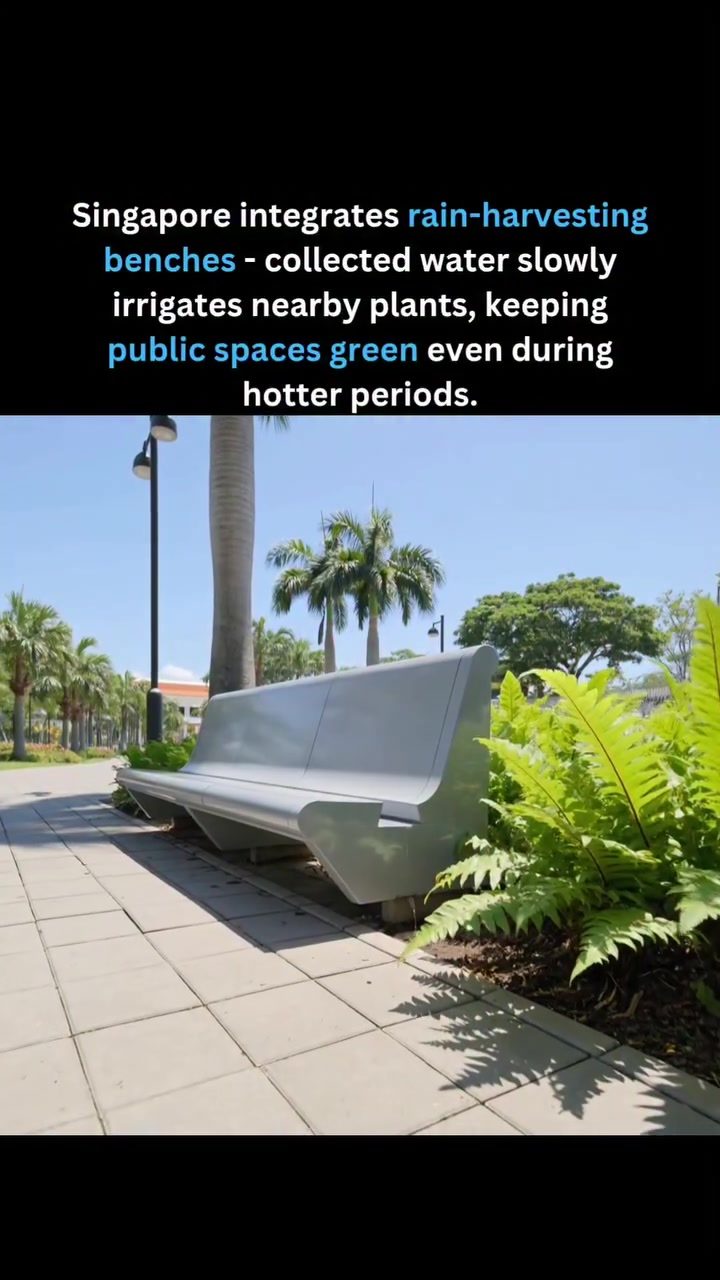
Rain-Harvesting Benches in Singapore
Singapore is pioneering an innovative approach to water conservation and urban greenery with the integration of rain-harvesting benches in public spaces. These benches are designed to collect rainwater, which is then used to irrigate nearby plants, ensuring that public areas remain lush and green even during hotter periods.
Why This Matters
In urban environments like Singapore, maintaining green spaces is crucial for environmental sustainability, air quality, and overall aesthetic appeal. Rain-harvesting benches offer a dual benefit: they provide functional seating for the public while also contributing to water conservation and plant health.
The Benefits of Rain-Harvesting Benches
Water Conservation
Water scarcity is a growing concern in many urban areas. Rain-harvesting benches address this issue by collecting rainwater that would otherwise go to waste. The collected water is stored and slowly released to irrigate nearby plants, reducing the need for municipal water supplies.
Sustainable Urban Greenery
Public parks and green spaces are vital for urban dwellers. They provide a respite from the concrete jungle, improve air quality, and support local ecosystems. By ensuring that these spaces remain green, rain-harvesting benches contribute to a healthier and more sustainable urban environment.
Cost-Effective Maintenance
Irrigating public gardens and parks can be costly, especially in regions with limited water resources. Rain-harvesting benches offer a cost-effective solution by utilizing natural rainfall, reducing the financial burden on municipal budgets.
Public Engagement
In addition to their functional and environmental benefits, rain-harvesting benches serve as a conversation starter. They raise awareness about water conservation and sustainable practices, encouraging the public to adopt similar measures in their own lives.
How Rain-Harvesting Benches Work
Rain-harvesting benches typically feature a simple yet effective design. They include a water collection system integrated into the bench structure. When it rains, water is channeled into a storage reservoir within the bench. The collected water is then gradually released through an irrigation system to water nearby plants. This slow release ensures that plants receive a steady supply of water, even during dry periods.
Practical Tips for Implementing Rain-Harvesting Benches
Design Considerations
When integrating rain-harvesting benches, consider the following design elements:
- Material Choice: Use durable, weather-resistant materials for the bench to ensure longevity and minimal maintenance.
- Water Storage Capacity: Determine the appropriate storage capacity based on the average rainfall and the water needs of the surrounding plants.
- Irrigation System: Design an efficient irrigation system that distributes water evenly to the plants.
Site Selection
Choose locations that receive adequate rainfall and have a substantial number of plants nearby. Public parks, community gardens, and urban green spaces are ideal settings for these benches.
Maintenance
Regular maintenance is essential to keep the benches functional. This includes:
- Cleaning: Ensure that the water collection and storage systems are free of debris and contaminants.
- Inspection: Regularly inspect the irrigation system and bench structure for any signs of wear or damage.
- Refilling: In periods of low rainfall, supplement the collected water with municipal water to maintain plant health.
Maintaining Green Spaces during Hotter Periods
One of the key advantages of rain-harvesting benches is their ability to keep public spaces green during hotter periods. The slow release of collected water ensures that plants receive a steady supply, even when natural rainfall is scarce. This is particularly important in regions like Singapore, where temperatures can soar and rainfall can be unpredictable.
Important Takeaways
Rain-harvesting benches offer a multifaceted solution to water conservation, public greenery, and environmental sustainability. By collecting and using rainwater, these benches help maintain lush green spaces, reduce water consumption, and lower maintenance costs. As urban areas continue to grow and face environmental challenges, innovative technologies like rain-harvesting benches will become increasingly important.
Conclusion
Rain-harvesting benches are a prime example of how urban infrastructure can be designed to be both functional and environmentally sustainable. By integrating these benches into public spaces, municipalities can conserve water, promote urban greenery, and engage the public in sustainable practices. As more cities adopt similar initiatives, the future of urban landscapes looks greener and more sustainable.
Questions readers ask
How do rain-harvesting benches work in Singapore's public spaces?
Rain-harvesting benches in Singapore are equipped with integrated water collection systems. They gather rainwater from the bench surface and channel it through a filtration process into a storage tank. This collected water is then used to irrigate nearby plants, promoting urban greenery and sustainability.
What are the primary benefits of these rain-harvesting benches?
The benches serve two main purposes: they provide seating for the public and they contribute to water conservation. By collecting and reusing rainwater, they help sustain urban greenery, reduce the demand on municipal water supplies, and foster eco-friendly practices within the community.
Can these benches be installed in any public space?
While rain-harvesting benches can be installed in many public spaces, their effectiveness depends on adequate rainfall and nearby plants that require irrigation. They are typically best suited for parks, gardens, and other green areas where both seating and irrigation needs are present.
How do rain-harvesting benches contribute to Singapore's sustainability goals?
These benches align with Singapore's sustainability efforts by promoting water conservation and supporting urban greenery. They help reduce the strain on water resources, enhance the aesthetic appeal of public spaces, and encourage the community to adopt eco-friendly habits.
Are there any maintenance requirements for the rain-harvesting benches?
Regular maintenance is needed to ensure the benches function optimally. This includes cleaning the collection surfaces, checking the filtration systems, and inspecting the storage tanks. Additionally, the irrigation systems need periodic checks to ensure water is being effectively distributed to the plants.
Can these benches be used in residential areas as well?
While primarily designed for public spaces, the concept of rain-harvesting benches can be adapted for residential use. Homeowners with gardens can install similar systems to collect rainwater and use it for gardening, contributing to water conservation at a local level.
How do rain-harvesting benches engage the community in eco-friendly practices?
These benches serve as visible reminders of the importance of water conservation. By seeing and using these benches, the public becomes more aware of sustainable practices. Additionally, community involvement in maintaining these benches can foster a sense of environmental responsibility and encourage further eco-friendly initiatives.
Recent articles
Fresh deep dives from the latest Reels we unpacked.




Comments
Be the first to comment.