Community Gardening in Singapore
Imagine leaving your home and picking fresh herbs and vegetables from the walls of your neighborhood. This isn't a futuristic dream, but a growing reality in Singapore. The country has taken bold steps to transform its urban landscape by integrating vertical gardens into public spaces. This initiative not only enhances the city's aesthetics but also addresses food security and sustainability.
Why this Matters
Singapore’s urban gardening initiative is part of a larger strategy to reduce its reliance on imported food and promote sustainable living. With over 90% of its food imported, the country faces significant challenges in ensuring food security. Urban gardening helps to mitigate this issue by creating local food sources and reducing carbon emissions associated with food transportation. Furthermore, these green spaces contribute to a better quality of life for residents by providing fresh ingredients and creating a more visually appealing and welcoming environment.
Main Discussion
Singapore's Urban Gardening Initiative
Singapore has embraced vertical gardening as a key component of its urban farming strategy. Vertical gardens are not just decorative additions to buildings; they are functional and serve practical purposes. These gardens utilize walls, rooftops, and other public spaces to cultivate herbs, vegetables, and fruits. This integration of greenery into urban infrastructure transforms concrete jungles into edible landscapes, making fresh produce easily accessible to residents.
Public Spaces and Vertical Gardens
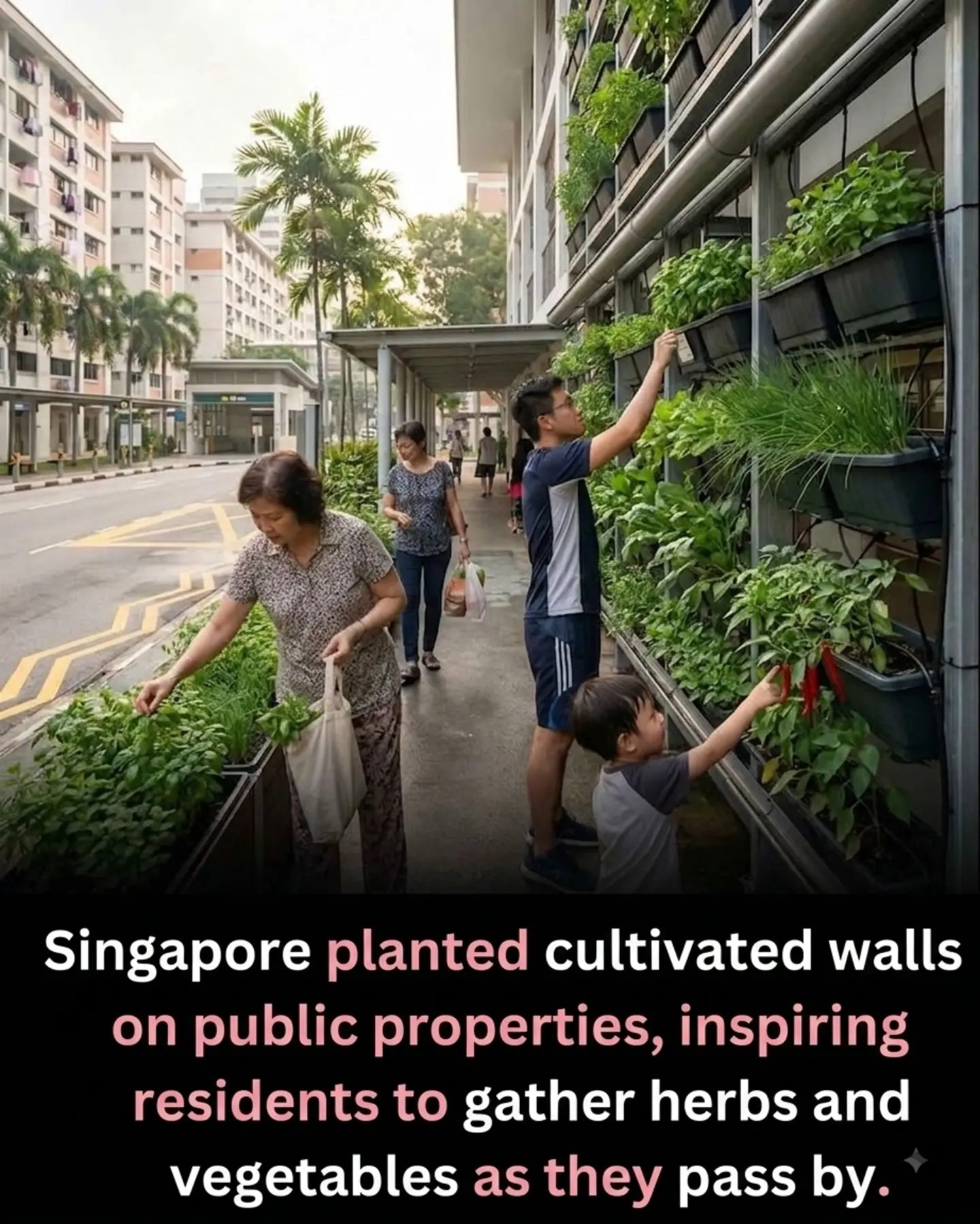
The initiative involves planting cultivated walls on public properties, inspiring residents to gather herbs and vegetables as they pass by. Vertical gardens lining public walkways and apartment buildings provide a convenient and accessible way for people to integrate fresh, locally grown food into their daily lives. This approach not only saves space but also ensures that the gardens are well-maintained and utilized by the community.
Benefits of Vertical Gardening
Vertical gardening offers numerous benefits for urban environments. Firstly, it maximizes the use of limited space, making it ideal for densely populated areas. Secondly, vertical gardens help to reduce the urban heat island effect by providing shade and cooling the surrounding air. They also contribute to air purification, absorbing pollutants and releasing oxygen. Moreover, these gardens create a more aesthetically pleasing environment, enhancing the overall quality of life for residents.
Community Engagement
The integration of vertical gardens into public spaces encourages community engagement and fosters a sense of ownership among residents. Activities such as tending to the gardens, harvesting fresh produce, and sharing the harvest with neighbors create opportunities for social interaction and community building. This grassroots approach to urban gardening ensures that the initiative is sustainable and supported by the community.
The Role of Public Properties
The use of public properties for vertical gardening is a strategic move that ensures the initiative’s success. By utilizing publicly accessible spaces, the initiative makes fresh, locally grown food available to a wider audience. This accessibility ensures that more people can benefit from the gardens, promoting a healthier and more sustainable lifestyle for the entire community.
Practical Tips
If you are inspired to start your own urban gardening project, here are some practical tips to get you started:
Choosing the Right Plants
Select plants that are suitable for vertical gardening and thrive in your local climate. Herbs like basil, mint, and chili, as well as leafy greens and small vegetables, are excellent choices for vertical gardens. They are easy to grow and can provide fresh ingredients for cooking and other culinary uses.
Setting Up Vertical Growing Systems
When setting up a vertical garden, choose a system that suits your space and resources. Some common options include pocket planters, trellis systems, and hanging baskets. Ensure that your chosen system provides adequate support and drainage for the plants.
Care and Maintenance
Regular care and maintenance are essential for the success of your vertical garden. Water your plants consistently, and ensure they receive the right amount of sunlight. Prune and harvest plants regularly to encourage growth and prevent overcrowding.
Engaging the Community
Engage your neighbors and community in your urban gardening project. Sharing the responsibility and benefits of the garden can foster a sense of community and ensure the garden’s sustainability. Organize community events, workshops, or shared meals to celebrate the harvest and strengthen community bonds.
Important Takeaways
- Food Security: Singapore's urban gardening initiative addresses food security by boosting local food production.
- Sustainability: Vertical gardens reduce the environmental impact of food transportation and enhance the sustainability of urban environments.
- Community Engagement: The integration of vertical gardens into public spaces fosters community engagement and promotes a healthier lifestyle.
- Practical Benefits: Vertical gardening maximizes space, improves air quality, and creates visually appealing environments.
Conclusion
Singapore's innovative approach to urban gardening serves as a model for other cities aiming to enhance sustainability and food security. By transforming public spaces into edible landscapes, the country has created a unique and practical solution to the challenges of urban living. Whether you're a resident of Singapore or elsewhere, embracing urban gardening can contribute to a more sustainable and vibrant community.
Questions readers ask
What are vertical gardens and how do they benefit Singapore's urban landscape?
Vertical gardens, or green walls, are gardens planted on walls or other vertical structures. In Singapore, these gardens transform urban spaces by adding greenery, enhancing the city's aesthetic, and providing fresh, locally grown herbs and vegetables at residents' doorsteps, thus contributing to food security and sustainability.
How do vertical gardens in Singapore contribute to food security?
Vertical gardens in Singapore contribute to food security by providing a local source of fresh produce. With over 90% of the country's food being imported, these gardens help reduce reliance on imports and ensure a steady supply of herbs and vegetables for the local population.
Can residents in Singapore grow their own produce at home through these initiatives?
While vertical gardens are primarily found in public spaces, residents in Singapore can also create their own vertical gardens at home. Many urban gardening initiatives provide resources and support for homeowners to start their own green walls, allowing them to grow fresh produce at home.
What are the environmental benefits of urban gardening in Singapore?
Urban gardening in Singapore reduces carbon emissions associated with food transportation and promotes sustainable living. Additionally, green walls can improve air quality, provide insulation, and create habitats for local wildlife, further enhancing the environmental benefits of these initiatives.
How does the community benefit from community gardening in Singapore?
Community gardening in Singapore fosters a sense of belonging and encourages residents to participate in the growth and harvesting of fresh produce. These initiatives promote social interaction, community involvement, and a shared appreciation for sustainable living.
What are some examples of public vertical gardens in Singapore?
Examples of public vertical gardens in Singapore include the vertical green walls at the HDB Hub, the Pinnacle@Duxton's Sky Terraces, and the green walls at the School of the Arts (SOTA). These green walls showcase the integration of urban agriculture and urban aesthetics.
What can residents do to support urban vertical gardening in Singapore?
Residents in Singapore can support urban vertical gardening by participating in community gardening initiatives, starting their own vertical gardens at home, and advocating for more green spaces in their neighborhoods. Sharing knowledge and resources with fellow residents can also help promote and expand these initiatives.
Recent articles
Fresh deep dives from the latest Reels we unpacked.




Comments
Be the first to comment.