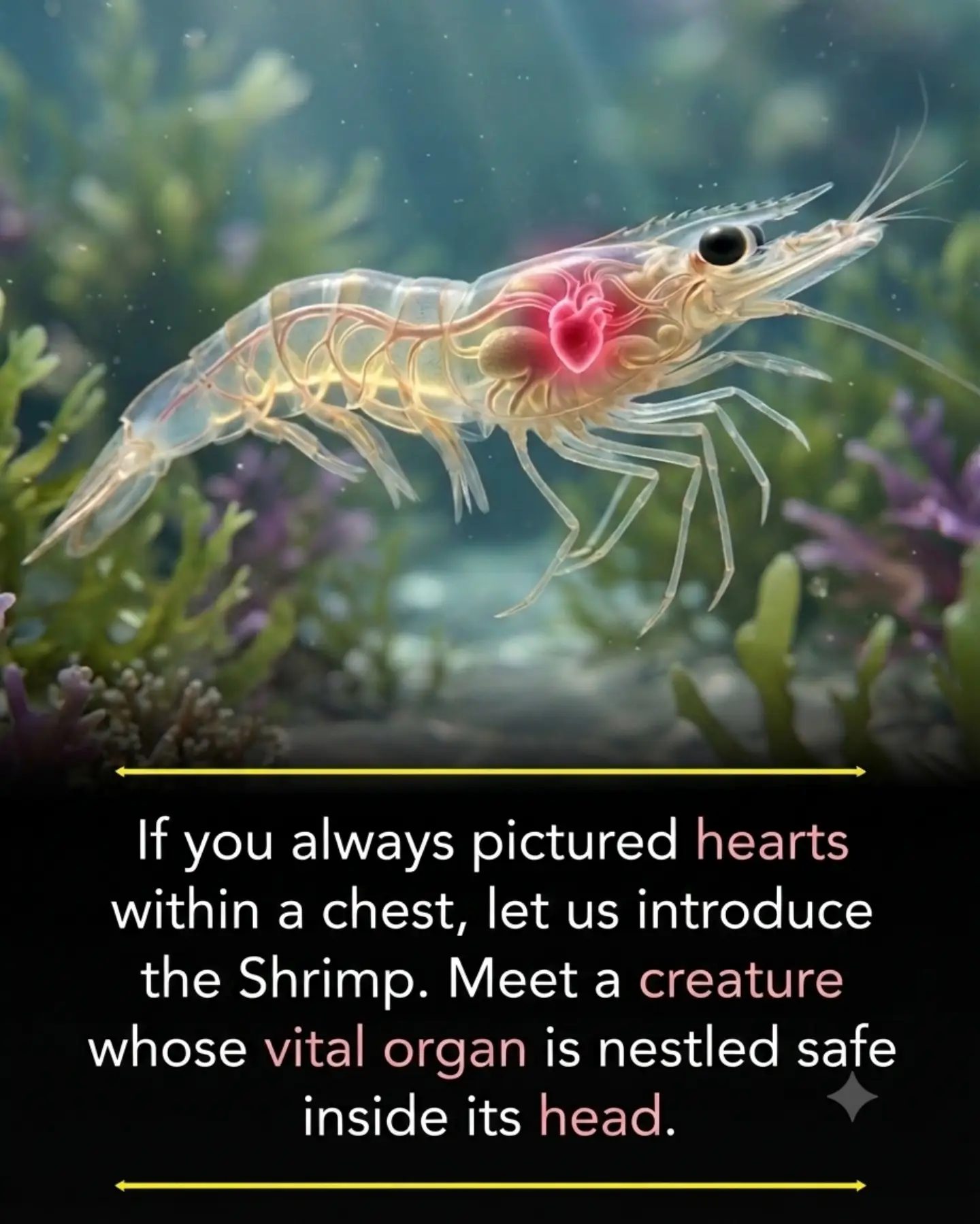
Shrimp Anatomy: The Truth About Their Heart
Shrimp are fascinating creatures, known for their unique anatomy. One of the most intriguing features is the location of their heart. Contrary to popular belief, the heart of a shrimp is not strictly within its head, but rather within a fused body segment called the cephalothorax. This segment combines both the head and the thorax, housing vital organs such as the heart, stomach, ventral nerve cord, and reproductive organs. Understanding the anatomy of shrimp sheds light on their remarkable biology and adaptive features.
Context: Why This Matters
The cephalothorax is a key anatomical feature of shrimp and other crustaceans. This fused body segment not only protects the vital organs but also plays a crucial role in the shrimp's overall physiology. Unlike vertebrates, which have a closed circulatory system, shrimp have an open circulatory system. This means that their heart pumps blood directly into the hemocoel, a central body cavity, where it bathes the organs directly. This direct method of delivering oxygen and nutrients is efficient for these small, aquatic creatures.
Main Discussion
The Cephalothorax
The cephalothorax is a distinctive feature of crustaceans, including shrimp. This fused segment combines the head and thorax, providing a robust, protective structure. The vital organs are nestled within this armored compartment, which is situated immediately behind the eyes and antennae. This arrangement gives the superficial appearance that the organs, including the heart, are located within the head.
The Heart and Circulatory System
One of the standout features of shrimp anatomy is their heart. Located within the cephalothorax, the heart is part of an open circulatory system. This system lacks a complex network of veins; instead, the heart pumps blood directly into the hemocoel. This central body cavity allows the blood to bathe the organs directly, ensuring efficient delivery of oxygen and nutrients.
Other Vital Organs
In addition to the heart, the cephalothorax houses several other vital organs. These include the stomach, ventral nerve cord, and reproductive organs. The ventral nerve cord is a significant component of the shrimp's nervous system, running along the ventral (underside) of the body. The stomach is responsible for the initial breakdown of food, while the reproductive organs play a crucial role in the shrimp's life cycle.
Adaptive Features
The unique anatomy of shrimp, particularly the open circulatory system and the fused cephalothorax, are adaptive features that have evolved to support their aquatic lifestyle. The open circulatory system is efficient for small, aquatic organisms, ensuring that all parts of the body receive the necessary oxygen and nutrients. The cephalothorax provides robust protection, allowing shrimp to thrive in various underwater environments.
Practical Tips
-
Understanding Shrimp Anatomy: When studying or observing shrimp, it's essential to recognize the cephalothorax as a fused segment combining the head and thorax. This knowledge helps in identifying the location of vital organs, which are not strictly within the head but within this protective compartment.
-
Recognizing the Open Circulatory System: Unlike vertebrates, shrimp have an open circulatory system. This system pumps blood directly into the hemocoel, a central body cavity, where it bathes the organs directly. This method ensures efficient delivery of oxygen and nutrients.
-
Identifying Vital Organs: Within the cephalothorax, you can find several vital organs, including the heart, stomach, ventral nerve cord, and reproductive organs. Understanding the location and function of these organs is crucial for a comprehensive study of shrimp anatomy.
Important Takeaways
The anatomy of shrimp, particularly the location of their heart within the cephalothorax, is a fascinating aspect of their biology. This fused body segment houses vital organs, providing robust protection and efficiency in nutrient delivery. The open circulatory system, which pumps blood directly into the hemocoel, is another adaptive feature that supports the shrimp's aquatic lifestyle. Understanding these unique anatomical features helps in appreciating the complexity and efficiency of shrimp biology.
Conclusion
Shrimp are remarkable creatures with a unique anatomy that supports their aquatic lifestyle. The cephalothorax, which combines the head and thorax, houses vital organs and provides robust protection. The open circulatory system ensures efficient delivery of oxygen and nutrients, making shrimp well-adapted to their underwater environment. Whether you're a marine biologist, a seafood enthusiast, or simply curious about these fascinating creatures, understanding shrimp anatomy offers insights into their remarkable biology.
Questions readers ask
Where is the heart of a shrimp located?
The heart of a shrimp is located in the cephalothorax, which is a fused segment that combines the head and thorax. This is not strictly within the head, as commonly believed. The cephalothorax houses several vital organs, including the heart, stomach, and reproductive organs.
What is the cephalothorax in shrimp?
The cephalothorax in shrimp is a fused body segment that combines the head and thorax. This unique structure houses and protects vital organs, including the heart, stomach, and nervous system. It also plays a crucial role in the shrimp's overall body structure and function.
How does the shrimp circulatory system work?
Shrimp have an open circulatory system, where the heart pumps blood directly into a central body cavity. This system efficiently delivers oxygen and nutrients to the organs. The heart is located in the cephalothorax, which is a fused segment of the body that houses vital organs.
What organs are protected by the cephalothorax in shrimp?
The cephalothorax in shrimp protects vital organs including the heart, stomach, ventral nerve cord, and reproductive organs. The fused structure of the cephalothorax also protects these organs and protects the shrimp.
Is the shrimp's heart located in its head?
No, the shrimp's heart is not located in its head. Instead, it is located in the cephalothorax, which is a fused segment that combines the head and thorax. This misconception arises because the cephalothorax includes the head, but the heart is situated within this entire fused structure, not strictly within the head.
What are the advantages of the cephalothorax in shrimp?
The cephalothorax in shrimp provides robust protection for vital organs, including the heart, stomach, and reproductive organs. It also plays a crucial role in the shrimp's overall body structure and function, aiding in the efficient delivery of oxygen and nutrients throughout the body.
How does the shrimp's circulatory system compare to other animals?
Unlike vertebrates, shrimp have an open circulatory system. This means that the heart pumps blood, which flows freely in the body cavity. This system is effective for shrimp, efficiently delivering oxygen and nutrients to their organs, which are located in the cephalothorax.
Related deep dives
Similar reads based on topic and creator.


Recent articles
Fresh deep dives from the latest Reels we unpacked.




Comments
Be the first to comment.