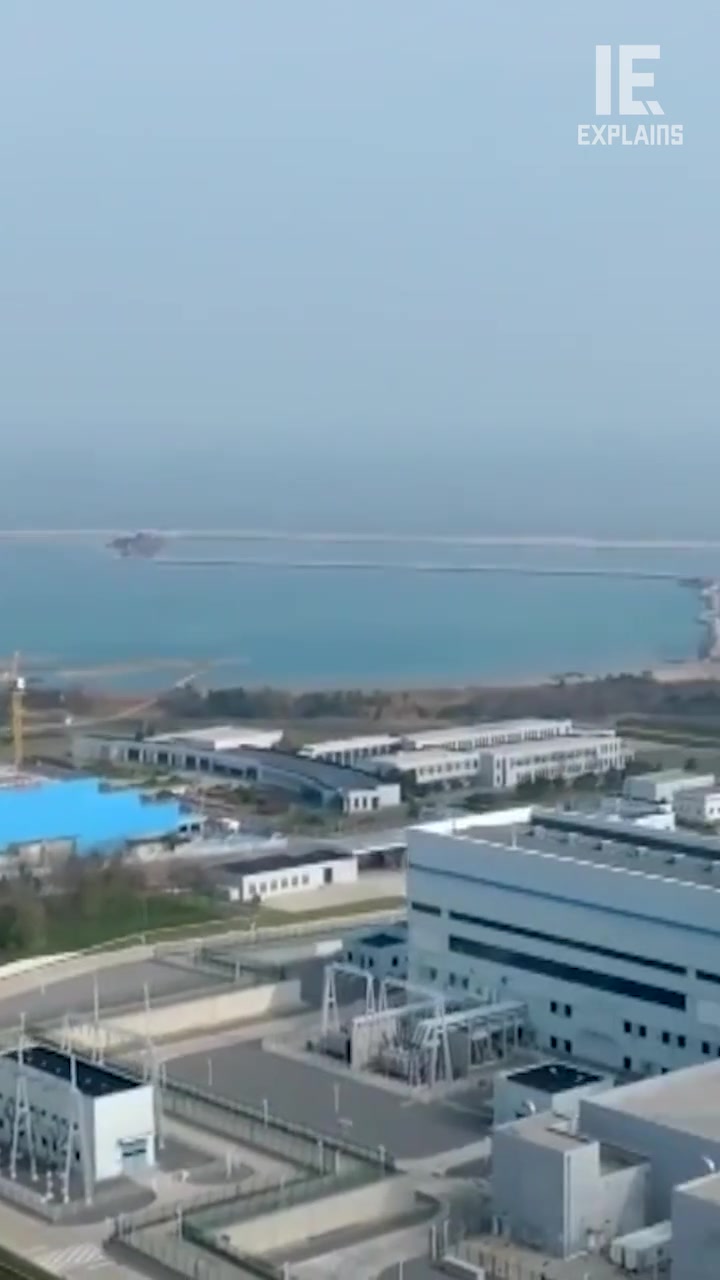
Fourth Generation Reactors: China's Safety Bet
China’s Shidaowan nuclear power plant now holds a unique spot in energy history. In August 2023, a team of engineers performed an audacious feat. They deliberately shut down the electrical systems that cool the reactor, leaving a running nuclear reactor with no active cooling. The result? Nothing. The reactor shut down safely, within minutes, without any operator intervention. This experiment showcased the inherent safety of Shidaowan’s design, marking a milestone for fourth-generation nuclear power.
The Design: A Break from Tradition
Named HTR-PM, the plant uses a high-temperature gas-cooled reactor with a pebble bed module. This design is a significant departure from traditional nuclear reactors, which rely on water for cooling and neutron moderation. Here, the fuel is not contained in rods but in graphite balls, each roughly the size of a billiard ball, and stacked loosely in the core. These "pebbles" are the reactor’s distinctive feature. Each graphite ball holds about seven grams of uranium, dispersed as roughly 12,000 microscopic particles called TRISO fuel. These particles are coated in layers of carbon and silicon carbide, creating a robust containment system at the microscopic level. The design allows the reactor to operate at significantly lower power density, reducing the risk of a meltdown. The coolant, helium gas, flows through the gaps between the pebbles, dispersing heat efficiently.
Comparing Fourth- and Third-Generation Nuclear Plants
While traditional reactors cram around 100 megawatts of heat into every cubic meter of their core, Shidaowan’s HTR-PM operates at about 3.2 megawatts per cubic meter. This lower power density means there’s ample space for decay heat to escape after shutdown, preventing overheating. The reactor’s unique layout, with two separate modules feeding into one turbine, also enhances safety and efficiency. This modular design allows for phased construction and easier maintenance.
The Fuel: Microscopic Containment with a Big Impact
The HTR-PM’s fuel design is its standout feature. Each pebble contains thousands of TRISO particles, each a miniature pressure vessel. These particles are engineered to withstand extreme temperatures and contain radioactive materials effectively. The silicon carbide shell, for instance, can endure temperatures well past 1,600 degrees Celsius. This robust containment starts at the fuel level, long before reaching the reactor building. The design ensures that even in a worst-case scenario, the release of radioactive materials is minimized.
Pebble Bed Reactors: A Legacy of Innovation and Challenge
Higher temperatures have their advantages. The helium coolant exits the reactor at 750 degrees Celsius, making it useful for industrial processes beyond electricity generation. This heat can be used for different applications, from heating municipal systems to powering chemical plants and eventually producing thermochemical hydrogen. This versatility positions the HTR-PM as a key player in decarbonizing heavy industry. Pebble bed reactors are not a new idea; they have a checkered past. Germany’s AVR and THTR-300 reactors faced significant issues, including contamination and decommissioning challenges. Shidaowan’s success, however, suggests that with modern engineering and safety protocols, pebble bed reactors could be a viable option for future nuclear power plants. The plant’s design and performance have demonstrated inherent safety behavior at a commercial scale, a feat previously unachieved.
Practical Considerations for the Curious
- Location: Consider the Shidaowan plant as a model for inland nuclear installations. The plant’s helium cooling system makes it suitable for locations where water cooling is impractical.
- Watch for Advances: Keep an eye on the follow-up design, the HDR-PM600, which will feature six modules feeding into one turbine, capable of producing about 600 megawatts of electricity.
- Cost: Be aware that the generating cost for the HTR-PM is estimated to be around 20% higher than conventional pressurized water reactors. However, the versatility in heat applications may offset this cost over time.
- Pebble Bed Technology: Look into the robustness of TRISO fuel and its potential applications in fusion reactors. Despite its higher initial cost, the long-term safety and efficiency benefits are significant.
Questions readers ask
What makes the Shidaowan Nuclear Power Plant's design so safe?
The Shidaowan plant uses a unique pebble bed design with helium gas cooling, which allows the reactor to shut down safely even without active cooling. This is because the lower power density and the robust containment of radioactive materials in TRISO fuel particles reduce the risk of a meltdown.
How does the HTR-PM reactor differ from traditional nuclear reactors?
Unlike traditional reactors that use water for cooling and contain fuel in rods, the HTR-PM uses graphite balls filled with uranium and helium gas as a coolant. This design operates at a much lower power density, which enhances safety by allowing decay heat to escape more easily after shutdown.
What are the benefits of using helium gas as a coolant in the HTR-PM reactor?
Helium gas is inert and does not react with the fuel or other components of the reactor, making it a safe and efficient coolant. Additionally, it exits the reactor at high temperatures, which can be used for industrial processes beyond electricity generation, making the reactor more versatile.
Can the HTR-PM reactor be used for purposes other than generating electricity?
Yes, the high-temperature helium coolant exiting the reactor can be utilized for various industrial applications. This includes heating municipal systems, powering chemical plants, and even producing thermochemical hydrogen, making the HTR-PM a key player in decarbonizing heavy industry.
Are pebble bed reactors a new concept?
No, pebble bed reactors have been around for some time. However, they have had a mixed history, with notable examples like Germany's AVR and THTR-300 reactors facing challenges. The HTR-PM reactor at Shidaowan represents a significant advancement in this technology, addressing past issues and demonstrating enhanced safety features.
What is the significance of the TRISO fuel particles used in the HTR-PM reactor?
TRISO fuel particles are tiny, robust containment vessels for radioactive materials. Each particle is coated in layers of carbon and silicon carbide, which can withstand extreme temperatures. This design ensures that even in the worst-case scenario, the release of radioactive materials is minimized, enhancing the overall safety of the reactor.
Related deep dives
Similar reads based on topic and creator.

Recent articles
Fresh deep dives from the latest Reels we unpacked.




Comments
Be the first to comment.