NFC Relay Malware on Mobile Devices
The threat of NFC relay malware on mobile devices is a growing concern in the digital age. This sophisticated form of cybercrime exploits Near-Field Communication (NFC) technology to steal sensitive card data, putting users at risk of unauthorized transactions and financial loss. The malware tricks users into placing their card against their phone's NFC chip, a maneuver that appears innocuous but has severe consequences.
Why This Matters
Understanding the mechanics and risks of NFC relay malware is crucial for anyone who uses mobile banking or any application that requires contactless card authentication. This type of malware operates silently, making it difficult for users to detect until it's too late. By familiarizing yourself with the signs and prevention methods, you can protect yourself from falling victim to this deceptive tactic.
The Mechanics of NFC Relay Malware
How NFC Relay Malware Works
NFC relay malware is a type of attack that intercepts the communication between an NFC-enabled smartphone and a contactless card. Here’s a step-by-step breakdown of how it operates:
- Initial Contact: The malware prompts the user to place their card against the phone’s NFC chip, often under the guise of setup or verification. This is a critical red flag that users should be aware of.
- Data Capture: Once the card is placed against the phone, the malware silently captures the card's data.
- Relaying Data: The captured data is then relayed to fraudsters in real-time, who can use it for unauthorized transactions. This can include online payments, ATM withdrawals, or any other form of card-based transaction.
Common Scenarios
NFC relay malware is particularly effective in scenarios where users are prompted to place their card against their phone for seemingly legitimate reasons. This can happen during mobile banking setup, app verification processes, or any other situation where NFC authentication is required. The malware can be embedded in malicious apps or exploits vulnerabilities in legitimate ones, making it all the more deceptive.
Real-World Example
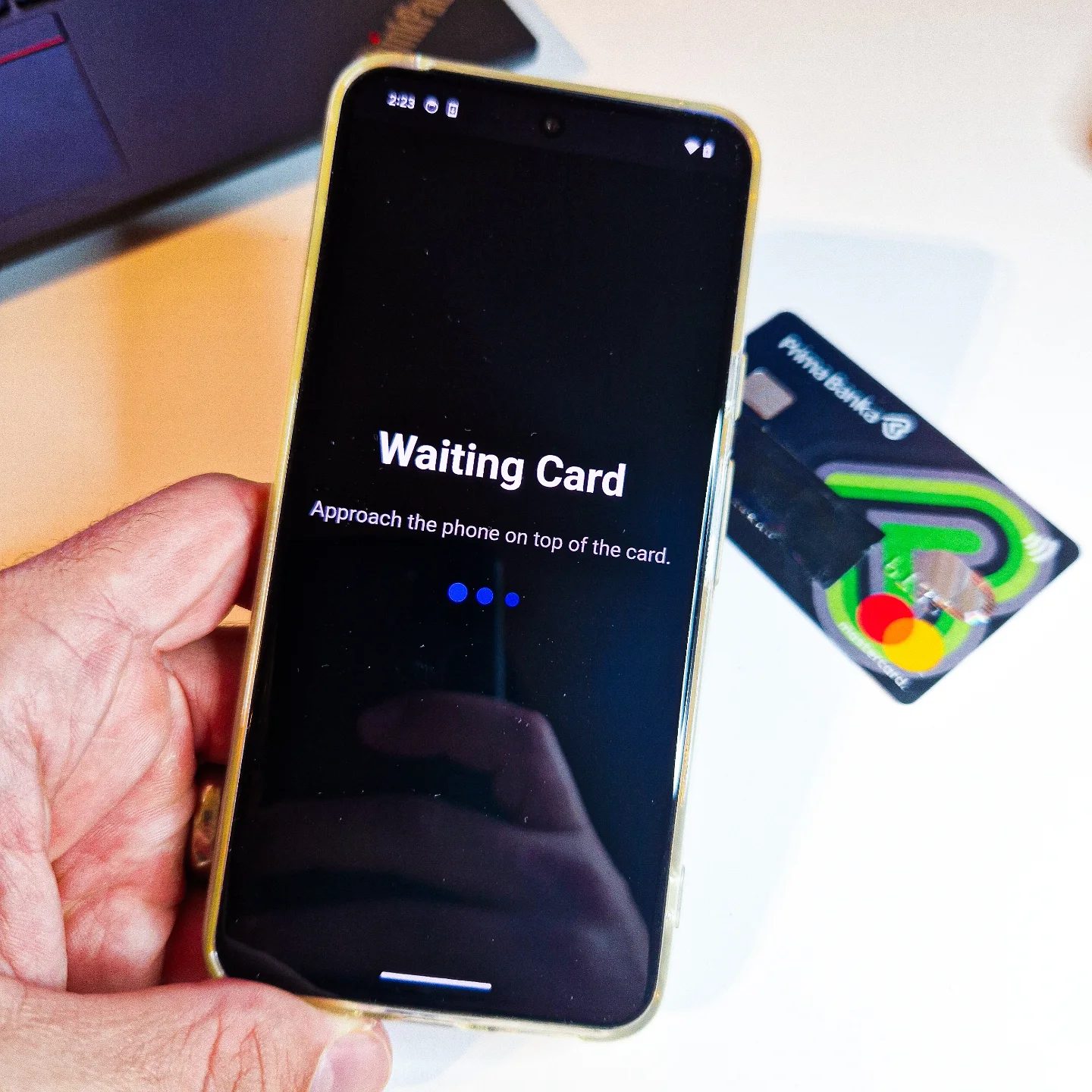
In many real-world examples, users are tricked into using NFC relay malware during mobile banking setups. The malicious app will instruct the user to approach the phone on top of the card, showing a progress indicator to mimic legitimate card detection. Following this, the app displays a 'Card Detected!' message along with a security system connection indicator, giving the impression of a secure transaction.
The Importance of Mobile Banking Security
Mobile banking has revolutionized the way people manage their finances, offering convenience and accessibility. However, with this convenience comes the risk of security breaches. NFC relay malware poses a significant threat to mobile banking, as it exploits the very technology designed to enhance security.
Contactless Card Authentication
Contactless card authentication is a common feature in mobile banking apps, allowing users to perform transactions by simply tapping their card against their phone. While this method is convenient, it also makes users vulnerable to NFC relay malware. Understanding the risks and taking preventive measures is essential for safeguarding your financial information.
Smartphone Authentication Processes
Smartphones are equipped with various security features to protect against unauthorized access. However, these features can be circumvented by sophisticated malware. The authentication process involves several steps, including card detection, security system integration, and transaction confirmation. Each step is a potential entry point for NFC relay malware.
Practical Tips for Protecting Against NFC Relay Malware
Be Wary of Unusual Requests
Always be cautious of any app that asks you to place your card against your phone for setup or verification. Treat this as a red flag and verify the legitimacy of the request through official channels. If an app or service asks you to do something out of the ordinary, it's best to err on the side of caution and avoid handing over your data with a tap.
Use Trusted Apps
Only download and use apps from trusted sources. Stick to official app stores and verify the authenticity of the developer. Avoid installing apps from unknown or unverified sources, as they may contain malware.
Enable Two-Factor Authentication
Two-factor authentication adds an extra layer of security to your transactions. Even if your card data is compromised, the additional verification step can prevent unauthorized access.
Monitor Your Transactions
Regularly monitor your bank statements and transaction history. If you notice any unauthorized transactions, report them immediately to your bank. Prompt action can help minimize the damage caused by fraudulent activity.
Keep Your Software Updated
Regularly update your smartphone’s operating system and all installed apps. Updates often include security patches that protect against known vulnerabilities, reducing the risk of malware infection.
Important Takeaways
- NFC relay malware is a growing threat that exploits the NFC technology in smartphones to steal card data.
- Be wary of any app or service that asks you to place your card against your phone for setup or verification.
- Only use trusted apps and enable two-factor authentication for added security.
- Regularly monitor your transactions and keep your software updated to protect against potential threats.
Conclusion
NFC relay malware is a sophisticated and deceptive form of cybercrime that poses a significant threat to mobile users. By understanding how it works and taking proactive steps to protect yourself, you can safeguard your financial information and avoid falling victim to this malicious tactic. Stay vigilant, trust your instincts, and prioritize security in your digital interactions.
Questions readers ask
What is NFC relay malware and how does it target mobile devices?
NFC relay malware is a type of cybercrime that leverages Near-Field Communication (NFC) technology to intercept and steal card data from mobile devices. It tricks users into placing their card against their phone's NFC chip, capturing the sensitive information that can then be used for unauthorized transactions. This form of malware is particularly dangerous because it often goes undetected until financial losses occur.
How can I tell if my mobile device is at risk of an NFC relay attack?
NFC relay attacks can be challenging to detect because they operate silently. However, signs to watch out for include unexpected transactions, unauthorized access to your finance apps, and unusual warnings from your bank or finance apps. Regularly monitoring your financial transactions, checking for notifications, and reviewing your transaction history can help you identify potential threats.
What steps can I take to enhance my mobile banking security against NFC relay malware?
To protect your mobile banking from NFC relay malware, start by using a secure lock screen and strong password for your smartphone. Also, enable two-factor authentication for all your finance apps, and keep your phone's software and apps updated. Additionally, consider using a financial app that offers additional security measures, such as real-time alerts for card transactions, transaction verifications, and secure data encryption.
Are there any specific cybercrime prevention measures for NFC payments?
To prevent NFC payment fraud, always cover your card or phone with your hand while making contactless payments to ensure no one can intercept your card data. Also, use only trusted NFC payment terminals, be cautious of unknown or unsecured NFC-enabled devices, and avoid making contactless payments in crowded areas where interception devices might be present. Additionally, regularly check your bank statements and transaction history for any suspicious activity.
What should I do if I suspect my card data has been compromised due to an NFC relay attack?
If you suspect your card data has been compromised, immediately contact your bank and report the incident. They will guide you through the necessary steps, such as cancelling your current card and issuing a new one. Also, change all your mobile banking passwords and monitor your accounts closely for any unusual activity. Inform other relevant financial institutions and services to ensure your finances are protected. Finally, consider using a fraud alert service to monitor your credit and financial transactions.
Recent articles
Fresh deep dives from the latest Reels we unpacked.




Comments
Be the first to comment.