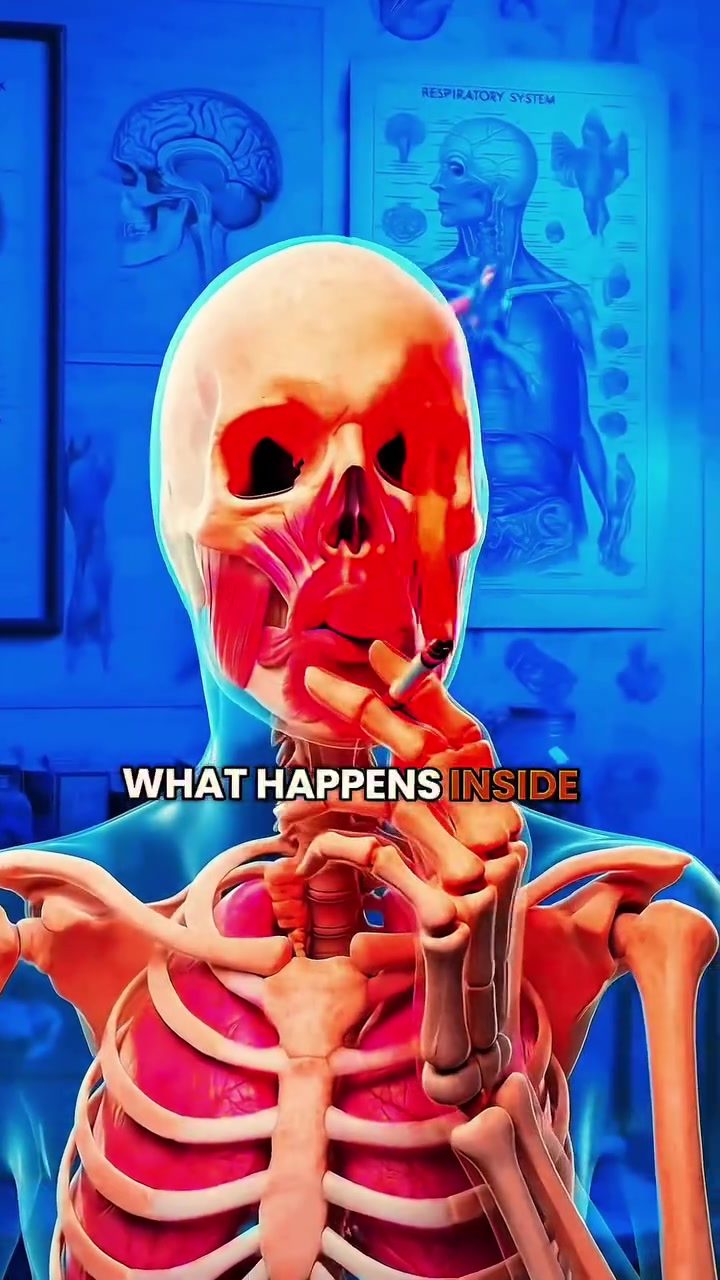
Secondhand Smoke and Hospital Patients: The Immediate Impact
Secondhand smoke among hospital patients has significant and immediate consequences. Understanding how it affects the body is crucial for patients and caregivers. Watching closely reveals the harmful immediate effects of even brief exposure.
Context / Why This Matters
Hospitals are places of healing, but the presence of secondhand smoke can quickly undermine the recovery process. The immediate impact on the body is profound, affecting everything from oxygen levels to heart and lung health.
Impact on the Respiratory and Cardiovascular Systems
Smoke Inhalation and Oxygen Depletion
Right away, smoke from secondhand smoke enters the lungs and bloodstream. Carbon monoxide, a component of smoke, binds to red blood cells, effectively stealing oxygen. This leads to a rapid drop in the patient's oxygen levels. For someone already in a weakened state, this can be particularly dangerous.
Heart Rate and Blood Pressure
The body’s response to secondhand smoke is swift. Blood vessels constrict and become damaged, leading to a sudden rise in heart rate and blood pressure. This abrupt change can trigger serious problems, especially for patients with pre-existing heart conditions.
Respiratory Distress
For patients with respiratory issues, the effects are equally alarming. Airways become irritated and swell almost immediately, worsening every breath. This can lead to increased strain on the lungs and a more challenging recovery process.
Vital Organs and Healing
Reduced Oxygen Supply
Vital organs, including the brain, heart, and lungs, quickly receive less oxygen. This lack of oxygen can result in brain fog, fatigue, and a general sense of strain. The body’s ability to recover from illness or surgery is dramatically slowed.
Inflammation and Cell Damage
Inflammation spreads through the body, and cell damage, along with oxidative stress, begins to build. Even short exposure to secondhand smoke can add to long-term risks, making the healing process more difficult and prolonged.
The Dangers of Any Level of Exposure
No Safe Level
There is no safe level of secondhand smoke exposure, especially for patients in a hospital setting. Even a few puffs can worsen a patient's condition. For someone recovering from an illness, this can be particularly detrimental. It literally hurts patients, compromising their health and delaying recovery.
Practical Tips
Creating a Smoke-Free Environment
Creating a smoke-free environment within hospitals is crucial. Policies that prohibit smoking on hospital grounds and in nearby areas can help protect patients. Signage and enforcement of these policies are essential to ensure compliance.
Educating Patients and Visitors
Educating patients and visitors about the dangers of secondhand smoke is essential. Hospital staff can provide information and resources to help visitors understand the impact of smoking near patients. This awareness can lead to better compliance and a safer environment for all.
Important Takeaways
Immediate and Long-Term Risks
Secondhand smoke poses immediate and long-term risks to hospital patients. The impact on oxygen levels, heart health, and the respiratory system is significant. Understanding these risks can help in creating a safer environment for recovery.
The Need for Vigilance
Vigilance is key. Even brief exposure to secondhand smoke can cause immediate harm. Ensuring a smoke-free environment and educating everyone involved is crucial for the well-being of patients.
Conclusion
Understanding the immediate impact of secondhand smoke on hospital patients is vital. The effects on the respiratory and cardiovascular systems, as well as the impact on vital organs and healing, underscore the need for a smoke-free environment. By creating awareness and enforcing policies, we can ensure a safer and more conducive environment for patient recovery.
Questions readers ask
How quickly can secondhand smoke affect a hospital patient's oxygen levels?
Secondhand smoke can start to impact a patient's oxygen levels almost immediately. Carbon monoxide in the smoke binds to red blood cells, reducing their ability to carry oxygen. This can lead to a decreased oxygen supply to vital organs within minutes of exposure.
What are the immediate effects of secondhand smoke on a patient's heart health?
Even brief exposure to secondhand smoke can cause the heart to beat faster and blood vessels to constrict. This increased strain on the heart can lead to a higher risk of heart-related complications, especially in patients with preexisting heart conditions.
Can secondhand smoke worsen existing lung conditions in hospital patients?
Yes, secondhand smoke can exacerbate existing lung conditions such as asthma or COPD. The immediate inhalation of smoke can cause inflammation and irritation in the lungs, leading to symptoms like coughing, wheezing, and shortness of breath, and delaying recovery.
How does secondhand smoke impact the recovery process of hospital patients?
Secondhand smoke can significantly delay a patient's recovery by causing inflammation, reducing oxygen supply to vital organs, and exacerbating any existing conditions. This added strain can prolong the healing process and necessitate additional medical interventions.
What immediate actions can be taken to protect hospital patients from secondhand smoke?
Hospitals should implement strict no-smoking policies and provide designated smoking areas away from entrances and windows. Caregivers and visitors should be informed about the immediate dangers of secondhand smoke and encouraged to smoke only in designated areas, if at all, to protect patients' health.
Why is it crucial to avoid secondhand smoke exposure in hospitals?
Hospitals are environments where patients are already in a vulnerable state. Avoiding secondhand smoke exposure is crucial to prevent further harm, ensure a safe recovery, and reduce the risk of complications that can arise from even brief exposure to smoke.
What happens when hospital patients are exposed to secondhand smoke?
When hospital patients are exposed to secondhand smoke, they inhale harmful chemicals that can cause inflammation, reduce oxygen supply to vital organs, and put additional strain on the heart and lungs. The immediate impact can exacerbate existing conditions, delay recovery, and potentially lead to serious health complications.
Recent articles
Fresh deep dives from the latest Reels we unpacked.




Comments
Be the first to comment.