Urban Reforestation in São Paulo
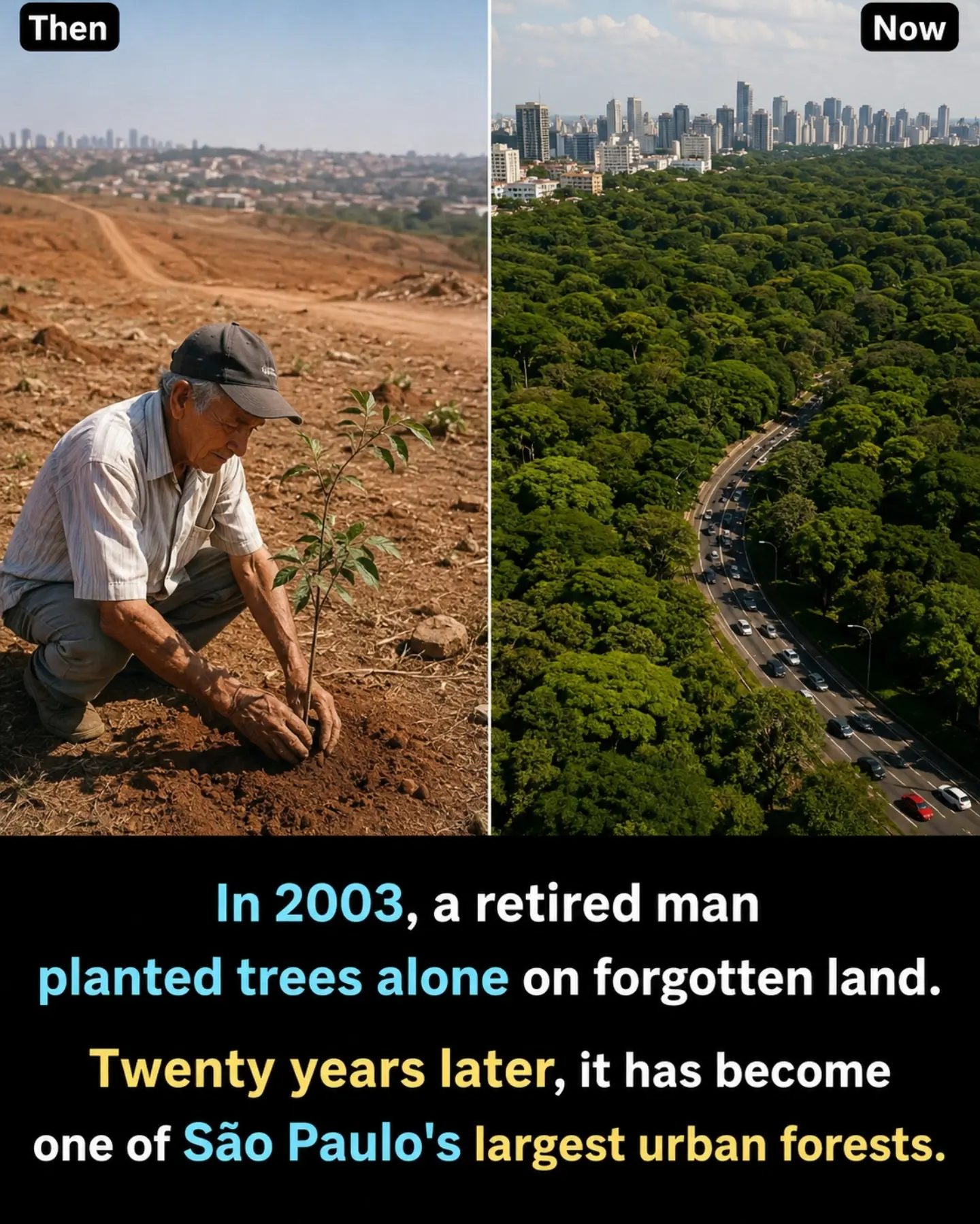
Urban reforestation is a powerful example of how individual environmental action can transform neglected urban landscapes. In 2003, a retired man in São Paulo took the initiative to plant trees in an area that had been left to waste. Over two decades, his efforts led to the creation of one of the city's largest urban forests.
Planting an urban forest in São Paulo is a remarkable achievement, given the city’s urban sprawl and dense population. The city is known for its rapid urbanization, which has led to the loss of green spaces and environmental degradation. Urban reforestation projects can help mitigate these issues by restoring green spaces, improving air quality, and providing habitats for local wildlife.
The retired man's dedication to urban reforestation highlights the importance of individual environmental action. His efforts serve as an inspiration for others looking to make a positive impact on their local environment. Urban reforestation projects can be an effective way for individuals to contribute to their community’s environmental health.
Context / Why This Matters
São Paulo faces significant environmental challenges due to rapid urbanization and industrialization. Urban reforestation projects play a crucial role in addressing these issues by restoring green spaces, improving air quality, and supporting local biodiversity. The retired man, along with other volunteers, has helped to create a thriving urban forest that provides numerous environmental and social benefits to the community.
Main Discussion
The Power of Individual Action
The transformation of the barren landscape into a lush urban forest underscores the power of individual action. Urban reforestation projects often begin with small, local efforts, such as planting trees on neglected land. However, these initiatives can have a significant impact on the environment and the community, demonstrating that individual actions can lead to large-scale environmental change.
The Benefits of Urban Forests
Urban forests provide numerous benefits to the environment and local communities. They help filter air pollutants, regulate temperature, reduce noise pollution, and provide habitats for local wildlife. Urban forests also offer recreational opportunities and contribute to the aesthetic value of the area, making them an essential component of sustainable urban development.
The Role of Community Engagement
Community engagement is a crucial aspect of successful urban reforestation projects. The involvement of local residents, volunteers, and organizations can enhance the project’s impact and sustainability. Community engagement helps build a sense of ownership, fosters environmental awareness, and ensures the project’s long-term success.
a) Community Involvement
The retired man’s story demonstrates the importance of community involvement. Although he initially started the project alone, his efforts likely inspired others to join in, contributing to the forest’s growth over the years. Engaging the community in urban reforestation projects can lead to greater participation, increased environmental awareness, and a stronger sense of community pride.
b) Volunteering
Volunteering is a vital component of urban reforestation projects. Volunteers contribute their time and effort to plant and maintain trees, ensuring the forest’s continued growth and sustainability. Engaging volunteers can also help build a stronger sense of community and environmental stewardship.
c) Partnerships
Partnerships with local organizations, including schools, businesses, and environmental groups, can enhance the impact and sustainability of urban reforestation projects. These partnerships can provide resources, expertise, and additional volunteer support, ensuring the project’s long-term success.
The Role of Government Support
Government support is essential for the success of urban reforestation projects. Policies that promote green spaces, provide funding for environmental initiatives, and support community engagement can significantly enhance the impact of these projects. Government support can also help address challenges such as land use, resource allocation, and regulatory compliance.
a) Policy and Legislation
Policy and legislation play a crucial role in supporting urban reforestation projects. Policies that promote green spaces, provide funding for environmental initiatives, and support community engagement can significantly enhance the impact of these projects. Governments can also implement regulations that protect green spaces and promote sustainable urban development.
b) Funding and Resources
Government funding and resources are essential for the success of urban reforestation projects. Grant programs, subsidies, and other financial incentives can help cover the costs of planting, maintaining, and monitoring trees. Additionally, government resources can support community engagement, education, and awareness campaigns, ensuring the project’s long-term success.
c) Land Use and Planning
Land use and planning are critical aspects of urban reforestation projects. Governments can work with local communities to identify suitable sites for urban forests, ensuring that these spaces are protected and integrated into the urban landscape. Effective land use planning can also help address challenges such as land acquisition, zoning, and environmental compliance.
d) Community Engagement
Government support for community engagement can enhance the impact and sustainability of urban reforestation projects. Policies that promote community involvement, education, and awareness can help build a stronger sense of environmental stewardship and ensure the project’s long-term success. Governments can also work with local organizations, including schools, businesses, and environmental groups, to support these initiatives.
Challenges and Solutions
While urban reforestation projects offer numerous benefits, they also face challenges such as limited resources, regulatory hurdles, and community engagement. Addressing these challenges requires a comprehensive approach that includes community engagement, partnerships, and government support. By working together, communities can overcome these obstacles and create thriving urban forests that enhance the environment and community well-being.
a) Limited Resources
Limited resources, including funding, personnel, and materials, can pose a significant challenge to urban reforestation projects. To address this challenge, communities can seek support from local organizations, businesses, and government agencies. Additionally, community engagement and volunteerism can help generate the resources needed to sustain the project.
b) Regulatory Hurdles
Regulatory hurdles, such as zoning laws, land use restrictions, and environmental regulations, can also impede urban reforestation projects. To overcome these challenges, communities can work with local governments to develop policies and regulations that support green spaces and promote sustainable urban development. Engaging with policymakers and advocating for environmental initiatives can also help address these hurdles.
c) Community Engagement
Community engagement is essential for the success of urban reforestation projects. However, engaging the community can be challenging, especially in densely populated urban areas. To address this challenge, communities can use a variety of engagement strategies, such as public meetings, social media, and community events, to raise awareness and build support for the project.
Practical Tips
Starting your own urban reforestation project or participating in an existing one can be a rewarding way to impact your community and the environment. Here are some practical tips to help you get started:
Choose the Right Location
Select a location that is suitable for planting trees and has the potential to become a thriving urban forest. Consider factors such as soil quality, water availability, and sunlight exposure. Additionally, choose a site that is accessible to the community, fostering involvement and appreciation of the urban forest.
Get Community Involved
Engage with the local community from the beginning. Create opportunities for residents to participate in planting days, volunteer programs, and environmental education initiatives. Building a sense of ownership and pride in the project can ensure its long-term success and sustainability.
Plan for Maintenance
Urban forests require ongoing maintenance to thrive. Develop a comprehensive maintenance plan that includes watering, pruning, and pest control. Ensure that there are resources and volunteers available to carry out this plan, keeping the urban forest healthy and vibrant.
Seek Funding and Support
Securing funding and resources is crucial for the success of your urban reforestation project. Explore grant opportunities, partner with local businesses, and engage with government agencies to secure financial support. Additionally, seek in-kind donations such as tools, materials, and professional expertise to enhance the project’s impact.
Collaborate with Local Organizations
Partner with schools, environmental groups, and other organizations to enhance the project’s impact and sustainability. Collaborations can provide additional resources, expertise, and community support, ensuring the project’s long-term success. Engaging with local stakeholders can also help build a stronger sense of environmental stewardship.
Monitor and Evaluate Progress
Regularly monitor and evaluate the progress of your urban reforestation project. Keep track of tree growth, environmental benefits, and community engagement. Use this data to refine your approach, address challenges, and ensure the project’s long-term success. Monitoring and evaluation can also help you communicate the project’s impact to stakeholders and secure ongoing support.
Important Takeaways
Urban reforestation projects offer numerous benefits to the environment and local communities. Key takeaways from the transformation of a barren landscape into a thriving urban forest in São Paulo include:
- Individual environmental action can have a significant impact on the environment.
- Urban forests provide numerous environmental and social benefits, including improved air quality, habitat restoration, and recreational opportunities.
- Community engagement and volunteerism are essential for the success of urban reforestation projects.
- Government support, including policy, funding, and partnerships, can significantly enhance the impact of urban reforestation projects.
- Addressing challenges such as limited resources, regulatory hurdles, and community engagement requires a comprehensive approach that includes community involvement, partnerships, and government support.
Conclusion
Urban reforestation is a powerful way to transform neglected urban landscapes into thriving green spaces. The retired man’s efforts in São Paulo demonstrate the impact of individual environmental action and the importance of community engagement in creating sustainable urban environments. By planting trees, engaging the community, and seeking support from local organizations and governments, individuals can initiate and maintain urban reforestation projects that benefit both the environment and local communities. Embarking on an urban reforestation project can be a rewarding and impactful way to contribute to the health and well-being of your community.
Questions readers ask
What inspired the retired man to start the urban reforestation project in São Paulo?
The retired man was motivated by the sight of a neglected plot of land in São Paulo, which had been left to waste. He decided to take action by planting trees, aiming to create a green space that could provide multiple benefits to the local environment, and community.
How has the urban forest in São Paulo benefited the local environment?
The urban forest has significantly improved air quality, mitigated environmental degradation, and provided habitats for local wildlife. The reforestation project has transformed the urban landscape and demonstrated the power of individual environmental action.
What challenges did the retired man face while creating the urban forest in São Paulo?
The retired man likely faced challenges such as securing necessary permits, dealing with any contamination left by previous neglect, and maintaining consistent watering and plant care. Furthermore, urban sprawl and dense population in São Paulo are significant challenges to establishing and maintaining large green spaces.
How has the urban forest in São Paulo impacted the local community?
The urban forest has provided a green space for the local community to enjoy, which can lead to improved mental health and well-being. The forest has also created opportunities for environmental learning, and community engagement and has served as an inspiration for other urban greening initiatives in the city.
What is the size of the urban forest in São Paulo?
The article does not provide the exact size of the urban forest, but it is mentioned to be one of the city's largest urban forests, indicating a significant transformation of the previously neglected plot of land.
Were there any videos or initiatives that helped promote the urban forest project in São Paulo?
As of my knowledge, there is no specific video highlighted in the article. However, given the impact of the project, there might be documentaries or local news features that capture the before and after transformation of the urban forest in São Paulo. Local initiatives might also have been involved in promoting this extraordinary individual environmental action.
Recent articles
Fresh deep dives from the latest Reels we unpacked.



Comments
Be the first to comment.