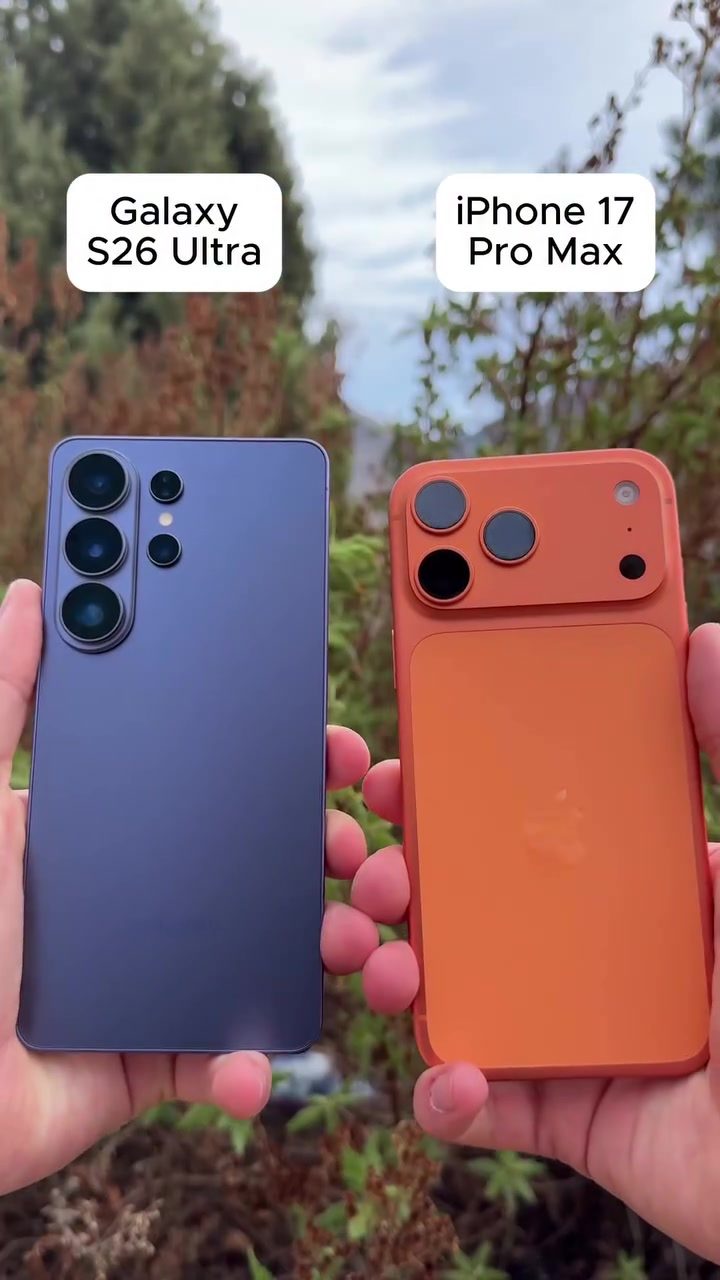
Smartphone Camera Comparison: Samsung Galaxy S26 Ultra vs. iPhone 17 Pro Max
In the world of smartphones, camera functionality is often a deciding factor for consumers. The Samsung Galaxy S26 Ultra and the iPhone 17 Pro Max are two of the most anticipated smartphones in recent times, each boasting cutting-edge camera technology. This comparison will explore the key features, user interfaces, and image quality of these two flagship devices.
Why This Matters
Choosing the right smartphone camera can significantly impact your photography and videography experience. Whether you're a casual user or a content creator, understanding the strengths and weaknesses of these two models can help you make an informed decision. Both the Samsung Galaxy S26 Ultra and the iPhone 17 Pro Max are designed to offer superior camera performance, but they do so in very different ways.
Key Features and Capabilities
Camera Specifications
Both smartphones come with advanced camera systems, but there are notable differences in their specifications.
Samsung Galaxy S26 Ultra: The S26 Ultra boasts a quad-camera setup with a 108MP main sensor, a 12MP ultra-wide lens, a 10MP periscope telephoto lens, and a 10MP telephoto lens. This configuration allows for high-resolution photography and impressive zoom capabilities.
iPhone 17 Pro Max: On the other hand, the iPhone 17 Pro Max features a triple-camera system with a 48MP main sensor, a 12MP ultra-wide lens, and a 12MP telephoto lens. While it lacks a periscope lens, the iPhone's computational photography capabilities are renowned for their consistency and quality.
Interface and Ease of Use
The camera app interfaces on both devices are intuitive, but they cater to different user preferences.
Samsung Galaxy S26 Ultra: Samsung's camera app is known for its extensive manual controls, allowing users to adjust settings like ISO, shutter speed, and white balance with ease. The interface is sleek and offers quick access to various modes, including Night Mode, Portrait, and Pro.
iPhone 17 Pro Max: Apple's native camera app is celebrated for its simplicity and user-friendliness. The interface is straightforward, with clear icons and quick access to essential modes like Portrait, Night Mode, and Cinematic. The iPhone’s camera app is particularly smooth, making it ideal for both novice and experienced users.
Image Quality and Performance
Daylight Photography
In well-lit conditions, both smartphones perform exceptionally well. The Galaxy S26 Ultra captures detailed and vibrant images with its high-resolution sensors, while the iPhone 17 Pro Max delivers consistent and accurate colors with its computational photography.
Samsung Galaxy S26 Ultra: The S26 Ultra’s high-resolution sensor ensures that every detail is captured, making it an excellent choice for landscape and architectural photography.
iPhone 17 Pro Max: The iPhone’s computational photography excels in balancing colors and maintaining detail, making it a reliable option for a wide range of subjects, from portraits to landscapes.
Low-Light Photography
Low-light conditions can be challenging for any camera, but both the Galaxy S26 Ultra and iPhone 17 Pro Max have features designed to handle these situations effectively.
Samsung Galaxy S26 Ultra: Samsung’s Night Mode leverages AI to reduce noise and enhance detail in low-light environments. The results are impressive, with the S26 Ultra producing bright and clear images even in dimly lit settings.
iPhone 17 Pro Max: Apple’s Night Mode is equally impressive, offering bright and vivid images with minimal noise. The iPhone’s computational capabilities help in capturing details that would otherwise be lost in the dark.
Zoom and Telephoto
Zoom capabilities are a significant differentiator between these two models.
Samsung Galaxy S26 Ultra: With its periscope telephoto lens, the Galaxy S26 Ultra offers up to 10x optical zoom and 100x digital zoom. This makes it an excellent choice for wildlife and sports photography, where capturing distant subjects is crucial.
iPhone 17 Pro Max: The iPhone 17 Pro Max offers a 3x optical zoom and 15x digital zoom, which is impressive but falls short compared to the S26 Ultra’s periscope lens. However, the iPhone’s computational zoom ensures that images remain sharp and detailed even at higher magnifications.
Practical Tips
Choosing the Right Mode
Both smartphones offer a variety of shooting modes, so it’s essential to choose the one that best fits your needs. For portraits, the Portrait Mode on both devices is excellent. For low-light environments, Night Mode is a must. For capturing distant subjects, the Galaxy S26 Ultra’s periscope lens provides an edge, but the iPhone 17 Pro Max’s computational zoom is also noteworthy.
Experiment with Manual Controls
If you're an advanced user, experimenting with manual controls can significantly enhance your photography. The Samsung Galaxy S26 Ultra offers more extensive manual controls, allowing you to fine-tune settings like ISO, shutter speed, and white balance. On the iPhone 17 Pro Max, Apple ProRAW can give you more control over editing in post-production.
Use Both Cameras
Don’t be afraid to switch between the main and ultra-wide lenses. The ultra-wide lens can capture stunning landscape shots and group photos, while the main lens excels in capturing detailed close-ups and portraits.
Night Mode
In low-light situations, both Night Modes are incredibly effective. Make sure to keep the phone steady or use a tripod for the best results. Both devices automatically detect low-light conditions and suggest using Night Mode, but you can also activate it manually for more control.
Important Takeaways
Both the Samsung Galaxy S26 Ultra and the iPhone 17 Pro Max are excellent smartphones with highly capable cameras. The choice between the two depends on your specific needs and preferences.
- Samsung Galaxy S26 Ultra: Ideal for users who prioritize high-resolution images, extensive manual controls, and advanced zoom capabilities. It’s particularly suited for landscape, architectural, and wildlife photography.
- iPhone 17 Pro Max: Perfect for users who value simplicity, ease of use, and consistent image quality. Its computational photography ensures reliable results in various conditions, making it a versatile choice for everyday use.
Conclusion
The Samsung Galaxy S26 Ultra and the iPhone 17 Pro Max both offer top-tier camera performance, but they cater to different user preferences and needs. By understanding the strengths and capabilities of each device, you can make an informed decision based on your specific photography requirements. Whether you prioritize high-resolution images, extensive manual controls, or computational photography, both smartphones deliver an exceptional camera experience.
Questions readers ask
What are the key differences in camera resolution between the Galaxy S26 Ultra and the iPhone 17 Pro Max?
The Galaxy S26 Ultra features a high-resolution 200MP main camera, while the iPhone 17 Pro Max offers a 48MP main camera. The difference in resolution can affect image detail and clarity, with the Galaxy S26 Ultra potentially capturing finer details.
How do the user interfaces of the camera apps differ between the two smartphones?
The Galaxy S26 Ultra's camera app is known for its extensive manual controls and customization options, catering to users who prefer a more hands-on approach. In contrast, the iPhone 17 Pro Max's camera app focuses on simplicity and ease of use, with intuitive features like Smart HDR and Portrait mode that are user-friendly, even for beginners.
Which smartphone is better for low-light photography?
Both devices excel in low-light conditions, but the Galaxy S26 Ultra has an advantage with its larger sensor and advanced night mode algorithms. However, the iPhone 17 Pro Max also performs well with features like Night mode and improved image stabilization.
What unique camera features does the Galaxy S26 Ultra offer?
The Galaxy S26 Ultra offers features like an 8K video recording capability, a versatile telephoto lens with advanced zoom capabilities, and enhanced AI-driven processing for better image quality. These features make it a strong contender for users looking for advanced video and photography options.
How do the video capabilities compare between the Galaxy S26 Ultra and the iPhone 17 Pro Max?
The Galaxy S26 Ultra supports 8K video recording, providing exceptional detail and clarity. The iPhone 17 Pro Max, while offering 4K video recording, has ProRes and pro-level video editing capabilities, making it a great choice for content creators who prioritize professional-grade video production.
Which smartphone has better zoom capabilities?
The Galaxy S26 Ultra stands out with its 10x optical zoom and 100x digital zoom, making it ideal for capturing distant subjects with high detail. The iPhone 17 Pro Max offers a 5x optical zoom, which is still impressive but falls short of the Galaxy S26 Ultra's zoom capabilities.
What should I consider if I'm deciding between the Galaxy S26 Ultra and the iPhone 17 Pro Max for video production?
If you prioritize higher resolution and more advanced zoom features, the Galaxy S26 Ultra is a better choice. However, if professional-grade video editing and color accuracy are more important, the iPhone 17 Pro Max with its ProRes capabilities would be more suitable.
Related deep dives
Similar reads based on topic and creator.

Recent articles
Fresh deep dives from the latest Reels we unpacked.


Comments
Be the first to comment.