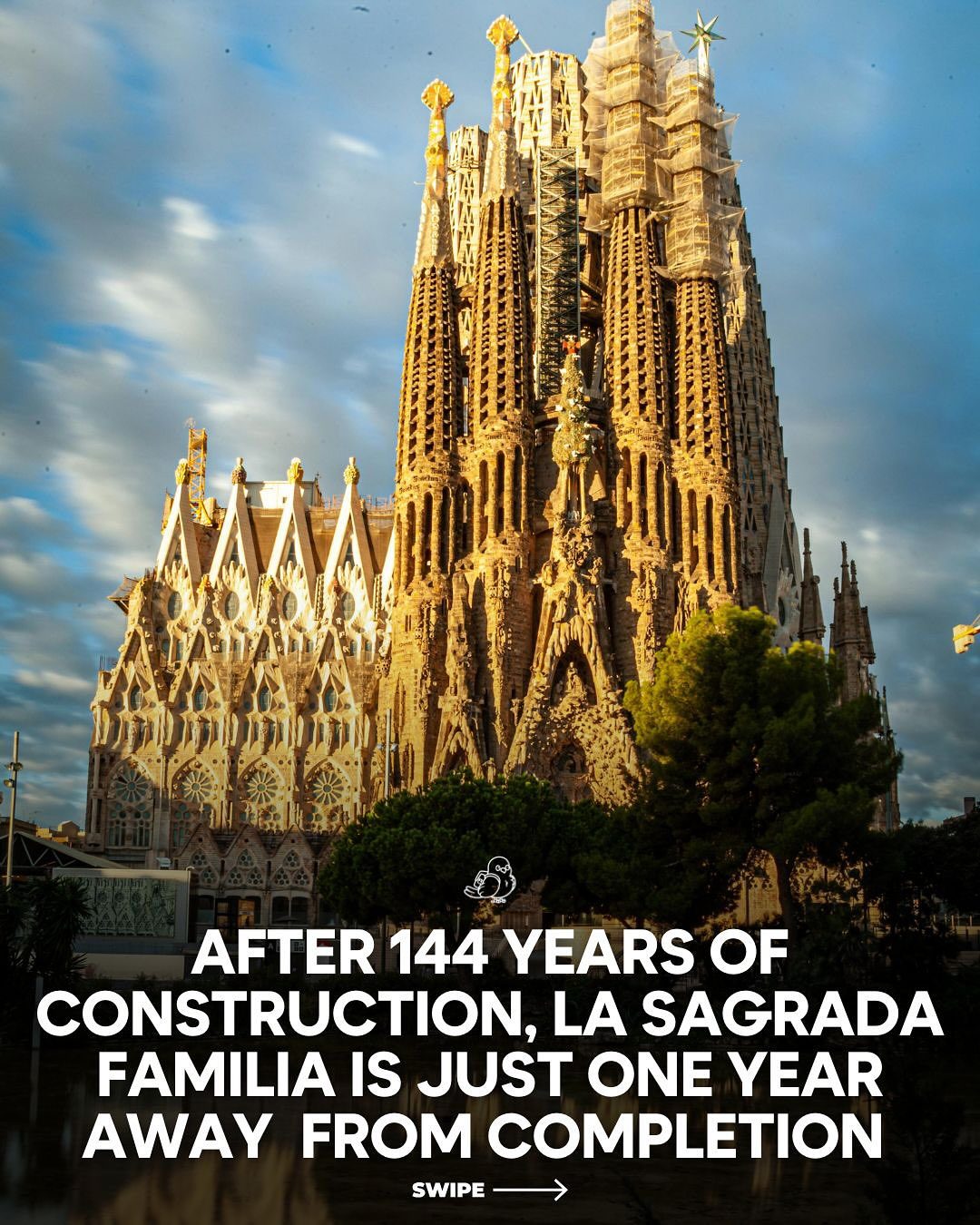
La Sagrada Família: The Longest Construction Project in Modern History
La Sagrada Família, an architectural marvel in Barcelona, has captivated visitors for decades. This basilica, designed by the renowned Catalan architect Antoni Gaudí, is finally nearing its completion after an astonishing 144 years of construction. Originally conceived as a humble church in 1882, it has evolved into one of the most iconic and enduring construction projects in modern history. But what makes this basilica so unique, and why does its 2026 completion hold such significance? Let's dive into the history, design, and future of this extraordinary structure.
Context
La Sagrada Família's construction journey is a testament to human perseverance and artistic vision. The basilica's unique blend of Gothic and Art Nouveau styles sets it apart from any other building in the world. Gaudí's genius lies in his ability to integrate these distinct styles seamlessly, creating a harmonious and awe-inspiring structure.
The Journey of La Sagrada Família
The Beginning
The story of La Sagrada Família begins in 1882 when the construction of a humble church was initiated by book publisher Josep Maria Bocabella. The project initially aimed to build a simple church dedicated to the Holy Family. However, the vision for the basilica shifted dramatically when Antoni Gaudí took over the project in 1883. Gaudí was just 31 years old at the time and had already established himself as a talented architect.
Gaudí's vision was ambitious and radical. He wanted to create a grand basilica that would embody the beauty and complexity of nature, reflecting his deep spiritual beliefs. However, the project faced numerous challenges, including financial constraints and political turmoil. Despite these obstacles, Gaudí remained dedicated to his vision, and the construction continued.
Gaudí's Vision
Gaudí's design for La Sagrada Família is a masterclass in architectural ingenuity. The basilica's facade features intricate carvings, towering spires, and organic shapes inspired by natural forms. The interior is equally breathtaking, with soaring columns and a central nave that creates a sense of awe and wonder. Gaudí's use of light and color is particularly noteworthy, as he designed the building to create a symphony of light and shadow that changes throughout the day.
One of the most remarkable aspects of Gaudí's design is his use of natural materials. The basilica is constructed primarily from stone, but Gaudí also incorporated stained glass, ceramic tiles, and other natural materials to create a sense of harmony with the environment. This focus on natural materials and forms has made La Sagrada Família a unique and enduring symbol of Catalan culture.
The Tragic Death of Gaudí
Tragically, Gaudí never saw his masterpiece completed. In 1926, at the age of 73, he was struck by a tram and died from his injuries. At that time, less than a quarter of the basilica was built. Despite his untimely death, Gaudí's legacy lived on, and the construction of La Sagrada Família continued under the guidance of his collaborators and successors.
The Long Road to Completion
The years following Gaudí's death were marked by challenges and setbacks. The Spanish Civil War further delayed the project, and resources were scarce. However, the dedication of a team of architects and engineers ensured that the construction continued. Over the decades, the basilica has evolved, incorporating modern engineering techniques and materials while staying true to Gaudí's original vision.
The Final Chapter
After 144 years, the completion of La Sagrada Família is finally within reach. The basilica is expected to be finished in 2026, marking the end of a remarkable journey that has spanned generations. The completion of this iconic structure is not just a testament to human perseverance but also a tribute to Gaudí's enduring legacy.
The final stages of construction involve the completion of the remaining towers and facades, as well as the installation of intricate details that reflect Gaudí's original design. The basilica will feature six main towers dedicated to the Holy Family, with the central tower, dedicated to Jesus, standing as the tallest. Additionally, there will be twelve towers representing the Apostles, four towers representing the Evangelists, and a tower representing Mary. Each of these towers will be adorned with intricate carvings and sculptures that tell the story of the Holy Family and the Catholic faith.
Practical Tips for Visitors
Visiting La Sagrada Família is an unforgettable experience, but it requires some planning. Here are some practical tips to make the most of your visit:
Plan Ahead
La Sagrada Família is one of the most popular tourist destinations in Barcelona, and it can get very crowded, especially during peak seasons. It's essential to book your tickets in advance to avoid long lines and ensure entry. You can purchase tickets online through the official website, which also offers guided tours and audio guides for a more in-depth experience.
Explore the Exterior
Before entering the basilica, take some time to explore the exterior. The three facades—the Nativity, Passion, and Glory—each tell a unique story through their intricate carvings and sculptures. The Nativity facade, with its vibrant and joyful depictions, is particularly stunning. The Passion facade, on the other hand, features more somber and dramatic scenes, reflecting the suffering of Christ.
Descend Into the Crypt
One of the lesser-known but equally fascinating aspects of La Sagrada Família is the crypt beneath the basilica. This underground chamber serves as the final resting place for Antoni Gaudí and other notable figures associated with the basilica. A visit to the crypt offers a unique perspective on the history and legacy of this architectural marvel.
Experience the Light Show
The interior of La Sagrada Família is a symphony of light and color, thanks to Gaudí's ingenious use of stained glass windows. The light show inside the basilica is a breathtaking experience, and it's best appreciated during the day when the sun's rays filter through the stained glass, creating a mesmerizing display of colors. However, even in the evening, the basilica's lighting system ensures a captivating atmosphere.
Engage with a Guide
Guided tours, either in groups or private, offer valuable insights into the history, architecture, and symbolism of La Sagrada Família. Engaging with a knowledgeable guide can enhance your understanding and appreciation of this remarkable structure. Audio guides are also available in multiple languages, providing a self-paced exploration option.
Important Takeaways
The completion of La Sagrada Família in 2026 will mark the end of an extraordinary journey that has spanned more than a century. This iconic basilica is not just a testament to human perseverance but also a living legacy of Antoni Gaudí's visionary genius. Here are some key takeaways:
- Historical Significance: La Sagrada Família's 144-year construction period makes it the longest-running construction project in modern history, offering a unique perspective on how architecture and society evolve over time.
- Architectural Mastery: Gaudí's innovative blend of Gothic and Art Nouveau styles, combined with his use of natural materials and forms, has created a structure that is both awe-inspiring and timeless.
- Cultural Heritage: As a UNESCO World Heritage Site, La Sagrada Família holds immense cultural significance, reflecting the rich history and artistic heritage of Catalan culture.
- Enduring Legacy: The completion of the basilica in 2026 will honor Gaudí's vision and legacy, ensuring that his masterpiece continues to inspire future generations.
Conclusion
La Sagrada Família stands as a testament to human ingenuity, perseverance, and artistic vision. From its humble beginnings in 1882 to its impending completion in 2026, this architectural marvel has captivated the world with its unique blend of styles, intricate design, and profound symbolism. Visiting La Sagrada Família is more than just a touristic experience; it's a journey through history, art, and the enduring legacy of Antoni Gaudí. As the basilica nears its completion, it promises to continue inspiring and awe-struck all who enter its sacred halls.
Questions readers ask
Why has the construction of La Sagrada Família taken so long?
The construction of La Sagrada Família has taken so long due to a combination of factors, including Gaudí's intricate design, limited funding, historical events like the Spanish Civil War, and Gaudí's untimely death in 1926. Even after his death, the project was carried on by his architectural vision.
What makes La Sagrada Família's design unique?
La Sagrada Família's design is unique due to its blend of Gothic and Art Nouveau styles, which is a combination of ancient and modern design. The basilica's intricate facades, towering spires, and symbolic decoration are unique to Gaudí’s vision, making it stand out from other architectural works.
Who is Antoni Gaudí and what is his connection to La Sagrada Família?
Antoni Gaudí was a renowned Catalan architect known for his distinctive and innovative designs. He is the mastermind behind La Sagrada Família, having conceived the project in the late 19th century. Despite his death in 1926, his architectural vision continues to guide the basilica's construction.
What significance does the 2026 completion date hold for La Sagrada Família?
The 2026 completion date marks the centennial of Gaudí's death and is seen as a tribute to his enduring legacy. This milestone is anticipated to draw even more visitors and solidify La Sagrada Família as a world-renowned landmark.
Is it possible to visit La Sagrada Família while it is still under construction?
Yes, visitors can explore La Sagrada Família even as it remains under construction. Guided tours are available, offering insights into the basilica's history, design, and the ongoing construction process. It's advisable to book tickets in advance to secure your spot.
What are some notable features of La Sagrada Família's architecture?
Notable features include the basilica's towering spires, intricate facades adorned with biblical scenes, and a stunning interior bathed in natural light through stunning stained-glass windows. The basilica's design seamlessly integrates symbolic elements, making it a rich tapestry of art and architecture.
How has La Sagrada Família become a symbol of Barcelona?
Over the years, La Sagrada Família has become an iconic symbol of Barcelona due to its enduring construction, unique architectural style, and the immense pride it generates among locals. It stands as a testament to the city's rich cultural heritage and artistic legacy, attracting millions of visitors each year.
Related deep dives
Similar reads based on topic and creator.




Recent articles
Fresh deep dives from the latest Reels we unpacked.



Comments
Be the first to comment.