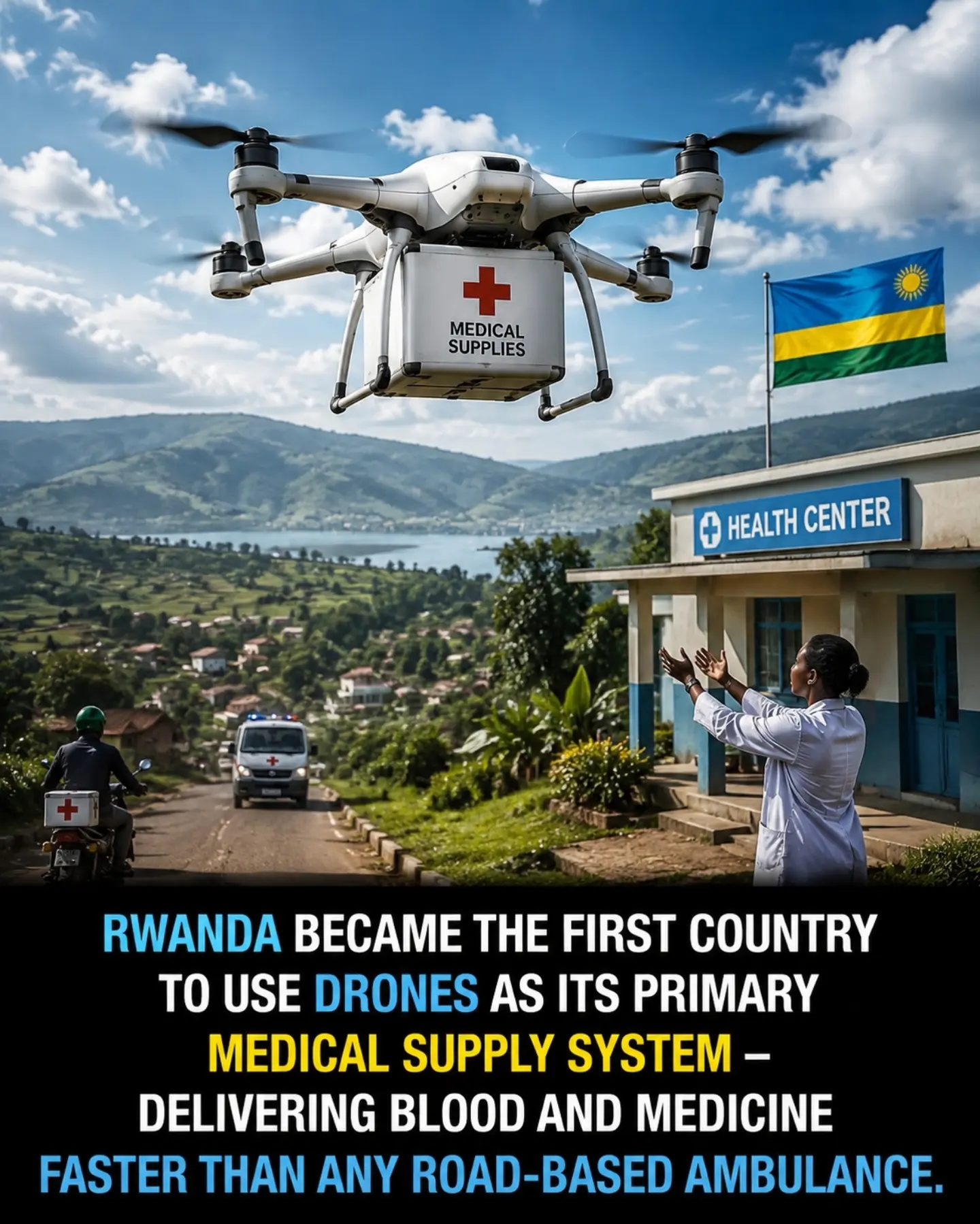
Drone Medical Delivery in Rwanda
Rwanda has pioneered an innovative approach to medical supply distribution by integrating drones as its primary system. This cutting-edge method ensures that essential medical supplies, including blood and medicine, are delivered swiftly and efficiently.
Why It Matters
The use of drones for medical supply delivery addresses several critical challenges in healthcare logistics, particularly in regions with difficult terrain and underdeveloped infrastructure. Traditional road-based ambulance systems often face delays due to traffic congestion, poor road conditions, and limited accessibility. Drones, on the other hand, can navigate these obstacles more effectively, providing a faster and more reliable means of transporting lifesaving supplies.
Key Points and Benefits
Speed and Efficiency
One of the most significant advantages of using drones for medical supply delivery is the speed at which they can transport goods. Drones can fly directly to their destination, avoiding traffic and roadblocks, which significantly reduces delivery times. This rapid response is crucial in emergency situations where every minute counts.
Accessibility
Drones can reach remote and hard-to-access areas that are often difficult or impossible for ground vehicles to navigate. This capability is particularly beneficial in regions with rugged terrain or limited road infrastructure, ensuring that medical supplies can reach those in need, regardless of their location.
Cost Savings
While the initial investment in drone technology may be substantial, the long-term cost savings can be significant. Drones reduce the need for extensive road infrastructure and can operate more efficiently than traditional delivery methods, lowering operational costs over time. Furthermore, the reduced delivery times can lead to cost savings in healthcare, as quicker access to medical supplies can prevent the deterioration of patients' conditions.
How It Works
Delivery Mechanism
The drones used in Rwanda are equipped with specialized containers designed to carry medical supplies safely. These containers are clearly marked with a red cross and the words "MEDICAL SUPPLIES," ensuring that the contents are easily identifiable. Healthcare workers at the receiving end are trained to handle these deliveries efficiently, minimizing any delays in treatment.
Integration with Health Centers
The drones deliver supplies directly to health centers, where healthcare workers are prepared to receive and distribute them. This integration ensures that medical facilities have a steady supply of essential items, enabling them to provide timely and effective care to patients.
Regulatory and Logistical Considerations
Implementing a drone-based medical supply system involves addressing various regulatory and logistical challenges. This includes obtaining the necessary permissions for drone flights, ensuring compliance with aviation regulations, and developing a robust logistics system to manage drone operations. Rwanda has successfully navigated these challenges, setting a precedent for other countries to follow.
Practical Tips for Implementing Drone Medical Delivery
Conduct Feasibility Studies
Before implementing a drone-based medical supply system, it is essential to conduct feasibility studies. These studies should assess the terrain, infrastructure, and regulatory environment to determine the viability of drone operations in the region.
Develop a Comprehensive Logistics Plan
A well-designed logistics plan is crucial for the successful operation of drone medical supply systems. This plan should include details on drone routes, delivery schedules, and emergency protocols to ensure efficient and reliable service.
Train Healthcare Workers
Healthcare workers need to be trained to handle drone deliveries effectively. This training should cover the safe receipt and distribution of medical supplies, as well as emergency procedures in case of delivery issues.
Ensure Regulatory Compliance
Obtaining the necessary permissions and ensuring compliance with aviation regulations is critical for the smooth operation of drone medical supply systems. This may involve working closely with regulatory authorities to develop guidelines and standards for drone operations.
Invest in Technology and Infrastructure
Investing in advanced drone technology and supporting infrastructure is essential for the long-term success of medical supply delivery systems. This includes purchasing drones, developing logistics software, and establishing ground stations for drone maintenance and control.
Important Takeaways
Drone medical delivery is revolutionizing healthcare logistics in Rwanda by providing a faster and more efficient means of transporting essential medical supplies.
The speed and efficiency of drones make them ideal for emergency situations where timely access to medical supplies is critical.
Drone-based systems can reach remote and hard-to-access areas, ensuring that medical supplies are available to those in need, regardless of their location.
The integration of drones with health centers ensures a steady supply of medical items, enabling healthcare facilities to provide timely and effective care.
Successful implementation of drone medical delivery systems requires a comprehensive logistics plan, regulatory compliance, and investment in advanced technology and infrastructure.
Conclusion
Rwanda's pioneering use of drones for medical supply delivery sets a new standard for healthcare logistics. By leveraging the speed, efficiency, and accessibility of drones, Rwanda has demonstrated that innovative technologies can address critical challenges in medical supply distribution. This model serves as an inspiring example for other countries to explore similar solutions, potentially transforming healthcare logistics on a global scale.
Questions readers ask
How do drones improve medical supply delivery in Rwanda?
Drones in Rwanda enhance medical supply delivery by bypassing road congestion, poor conditions, and limited accessibility. The drone system ensures that essential items, such as blood and medicine, reach their destinations swiftly and efficiently, even in remote or hard-to-reach areas.
What types of medical supplies are transported by drones in Rwanda?
In Rwanda, drones primarily transport essential medical supplies such as blood and medicine. These items are often critical for patient care, and timely delivery can significantly impact healthcare outcomes.
Why is drone delivery particularly beneficial in Rwanda?
Rwanda's terrain and infrastructure present unique challenges for traditional road-based delivery systems. Drones offer a reliable alternative by navigating difficult landscapes and congested roads more effectively, ensuring that medical supplies reach their destinations promptly.
How does drone transport address healthcare logistics challenges in Rwanda?
Drone transport in Rwanda tackles healthcare logistics challenges by providing a faster, more efficient solution for delivering critical supplies. This method reduces delays caused by traffic and poor road conditions, ensuring that lifesaving items are available when needed.
What impact does drone delivery have on remote areas in Rwanda?
Drone delivery in Rwanda significantly improves access to medical supplies in remote areas. By overcoming geographical barriers, drones ensure that even the most isolated communities receive essential healthcare items promptly, enhancing overall healthcare accessibility.
How reliable is drone medical delivery in Rwanda?
Drone medical delivery in Rwanda is highly reliable due to its ability to navigate challenging terrains and avoid typical road-based delays. This reliability ensures that crucial medical supplies are consistently delivered on time, supporting better healthcare outcomes across the country.
Related deep dives
Similar reads based on topic and creator.




Recent articles
Fresh deep dives from the latest Reels we unpacked.




Comments
Be the first to comment.