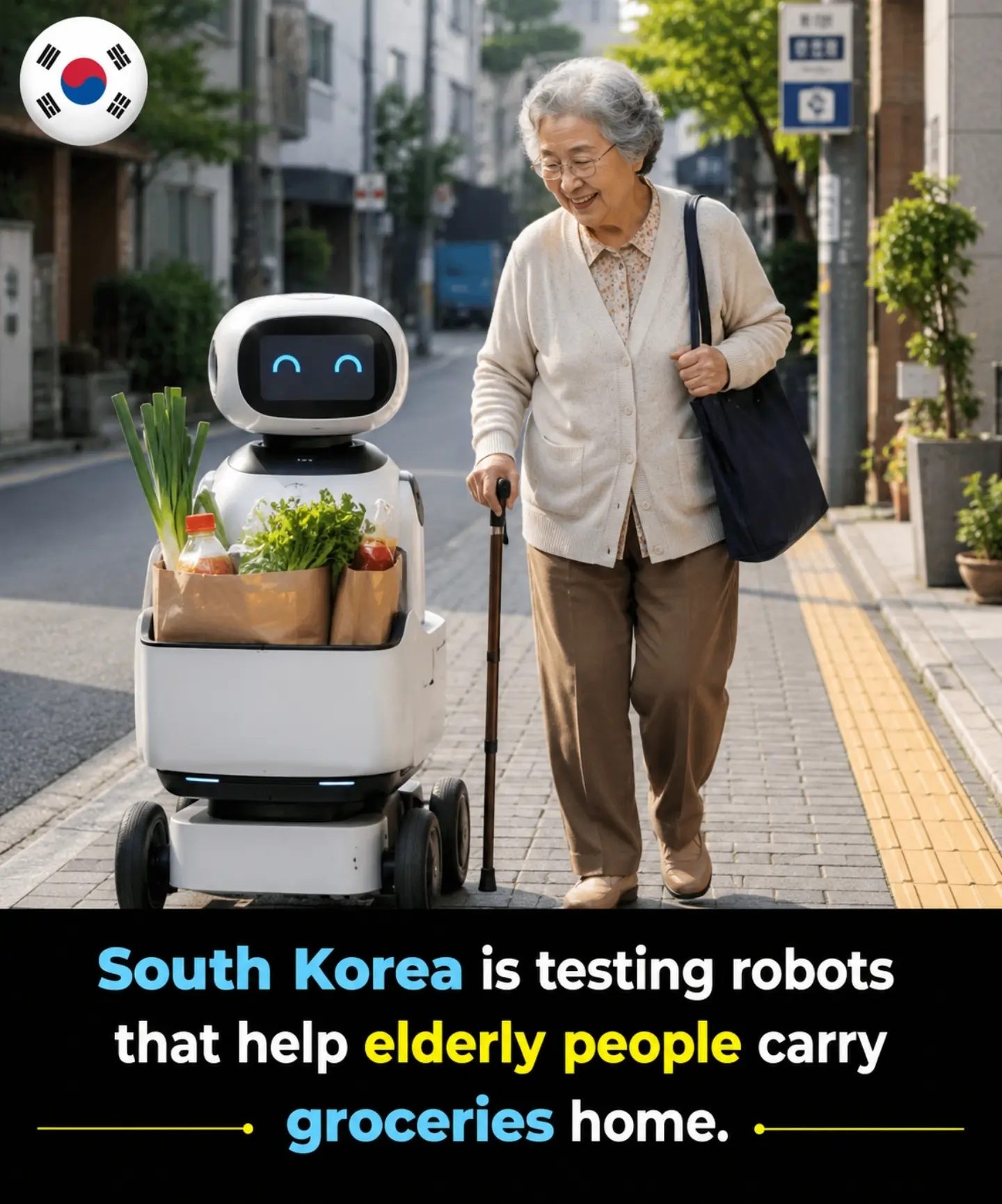
Robotic Assistance for the Elderly
Technology is increasingly finding ways to support elderly individuals, making daily tasks easier and promoting independent living. In South Korea, a pilot program is testing robots to help the elderly carry groceries. This initiative is part of a broader effort to leverage advanced robotics to enhance the quality of life for older adults, ensuring they can safely and comfortably complete everyday chores.
Why This Matters
As the global population ages, finding effective ways to support elderly individuals becomes crucial. Robotic assistance addresses several key challenges faced by the elderly, including mobility issues, social isolation, and the need for constant assistance. By providing support with daily tasks like carrying groceries, these robots can help older adults maintain their independence and improve their overall well-being. This is not just about convenience; it's about ensuring that elderly individuals can live dignified, fulfilling lives.
Robotic Assistance for the Elderly
The Role of Delivery Robots
In South Korea's pilot program, delivery robots are designed to assist elderly individuals by carrying their groceries. These robots are equipped with features that make them user-friendly and efficient.
Design and Functionality
The delivery robots featured in the program are white and have a screen on top, which likely serves as an interface for interaction. These robots are designed to be easy to navigate, ensuring that elderly users can operate them with minimal difficulty. The screen might display instructions, provide feedback, or even offer basic communication features, making the interaction more intuitive.
Safety and Reliability
Safety is a paramount concern when it comes to robotic assistance for the elderly. The robots in South Korea are tested to ensure they can operate safely on sidewalks and in everyday environments. This includes navigating obstacles, maintaining a steady pace, and ensuring that the groceries are securely carried. Reliability is also crucial, as elderly users need to depend on these robots for regular tasks.
User Experience
The user experience is another critical aspect of this robotic assistance. The robots are designed to be user-friendly, with features that make them easy to operate. This includes simple controls, voice commands, or touchscreen interfaces. The goal is to ensure that elderly users can interact with the robots seamlessly, enhancing their independence and quality of life.
Practical Tips for Implementing Robotic Assistance
Evaluating Robotic Assistance Solutions
When considering robotic assistance for elderly individuals, it's essential to evaluate the solutions carefully. Here are some practical tips to ensure you choose the right robotic assistance:
Assess Needs
Start by assessing the specific needs of the elderly individual. Consider their mobility, cognitive abilities, and daily tasks. This will help you choose a robot that fits their requirements.
Test the Robot
Before making a decision, test the robot in a real-world setting. Ensure it can navigate the environment, perform the necessary tasks, and interact with the user effectively.
Consider Safety
Safety features are crucial. Ensure the robot has sensors to avoid obstacles, emergency stop buttons, and reliable power sources.
Evaluate User-Friendliness
The robot should be easy to use. Look for intuitive interfaces, simple controls, and clear instructions.
Check Reliability
Reliability is key, especially for tasks like carrying groceries. Ensure the robot can perform its tasks consistently without frequent breakdowns.
Important Takeaways
The Future of Robotic Assistance
The use of delivery robots to assist elderly individuals in carrying groceries is just the beginning. As technology advances, we can expect to see more innovative solutions that cater to the diverse needs of the aging population. From smart homes that anticipate their needs to wearable devices that monitor health, the future of elderly care is bright.
Enhancing Independence
One of the most significant benefits of robotic assistance is the enhancement of independence. By providing help with daily tasks, these robots allow elderly individuals to live more independently, reducing their reliance on caregivers and improving their overall quality of life.
Promoting Social Interaction
Robotic assistance also has the potential to promote social interaction. Robots equipped with communication features can act as companions, engaging elderly individuals in conversations and providing mental stimulation. This can help combat social isolation, which is a common issue among the elderly.
Ensuring Safety and Security
Safety and security are paramount when it comes to robotic assistance. Robots designed to assist the elderly must be reliable and equipped with features that ensure their safe operation. This includes sensors to detect obstacles, emergency stop buttons, and secure power sources.
Conclusion
The pilot program in South Korea testing delivery robots to assist elderly individuals with carrying groceries is a step forward in leveraging technology to support independent living. As robotics and AI continue to evolve, we can expect to see more innovative solutions that cater to the diverse needs of the aging population. By providing assistance with daily tasks, enhancing independence, and promoting social interaction, robotic assistance can significantly improve the quality of life for elderly individuals, ensuring they live fulfilling, dignified lives.
Questions readers ask
How do grocery-carrying robots assist the elderly in South Korea?
These robots are designed to help elderly individuals by carrying their groceries, reducing the physical strain and mitigating mobility challenges. They allow older adults to complete their shopping trips more comfortably and safely, promoting independent living.
What are the benefits of robotic assistance for elderly individuals?
Robotic assistance helps elderly individuals by addressing issues such as mobility limitations and social isolation. By aiding with daily tasks, these robots enable older adults to maintain their independence and improve their overall quality of life.
What is the main goal of the robot trials in South Korea?
The primary objective of the robot trials in South Korea is to test the effectiveness of robots in helping the elderly with their daily tasks, particularly carrying groceries. The goal is to enhance the quality of life for older adults and support their ability to live independently.
How do grocery carrying robots in South Korea promote independent living?
These robots support independent living by assisting with practical tasks that can be challenging for elderly individuals. By helping with grocery carrying, they ensure that older adults can comfortably complete their shopping and reduce reliance on constant assistance.
What challenges do grocery carrying robots in South Korea address?
These robots tackle several key challenges faced by the elderly, including mobility issues, social isolation, and the need for constant assistance. By providing support with daily tasks, they help older adults maintain their independence and improve their daily living.
Related deep dives
Similar reads based on topic and creator.




Recent articles
Fresh deep dives from the latest Reels we unpacked.




Comments
Be the first to comment.