Tree Planting and Woodland Conservation in Scotland
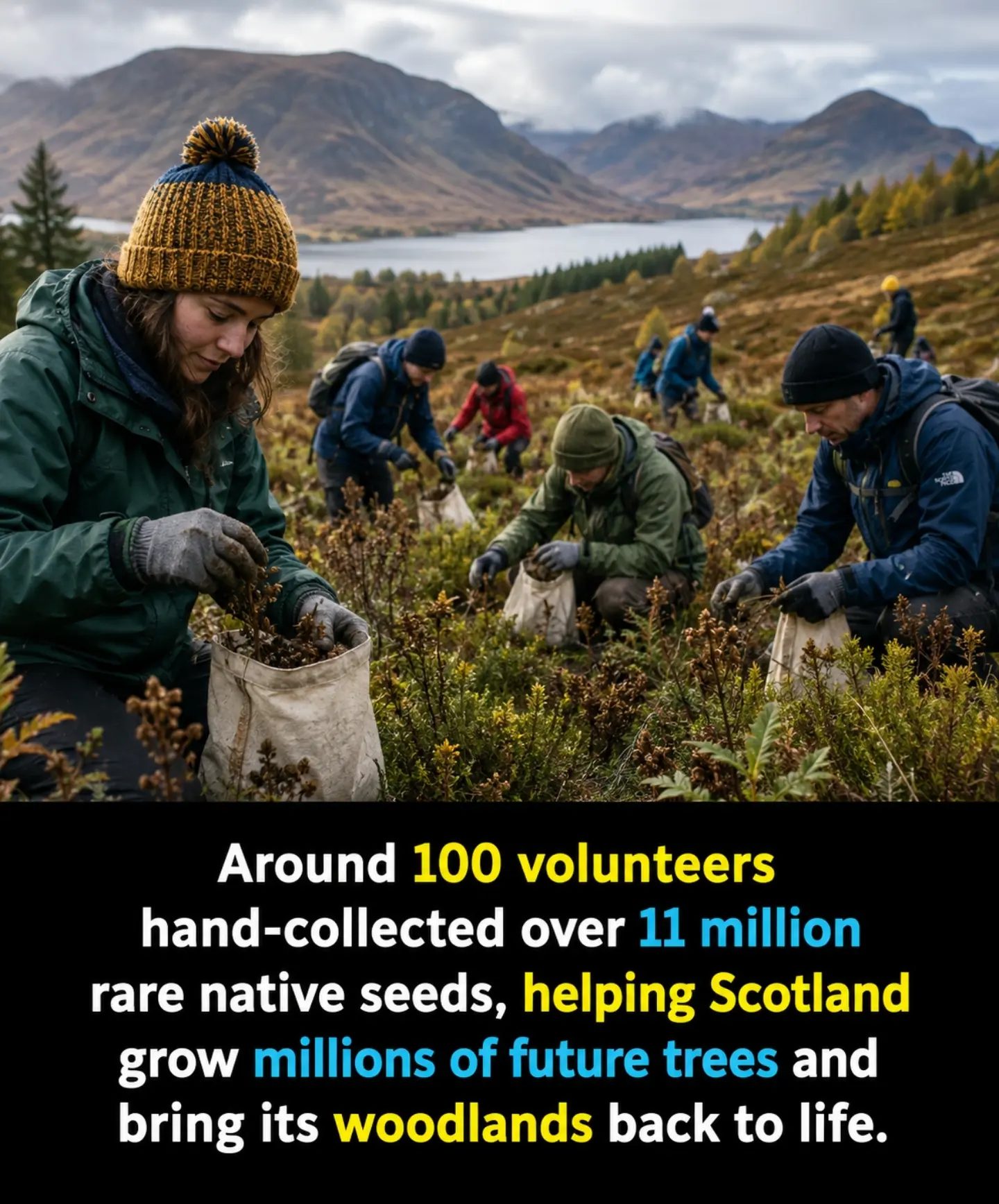
Scotland's woodlands are vital for biodiversity, carbon sequestration, and cultural heritage. Recent conservation efforts have involved extensive volunteer work. Here’s a deeper dive into an initiative where around 100 volunteers hand-collected over 11 million rare native seeds, aiming to restore Scotland’s woodlands.
Context / Why This Matters
The Significance of Scotland's Woodlands
Woodlands in Scotland play a critical role in maintaining the country's ecological health. They provide habitats for various species, support biodiversity, and contribute to carbon sequestration, which is essential for combating climate change. The conservation of these woodlands ensures that future generations can benefit from the ecological and cultural richness they offer.
Main Discussion
The Role of Volunteers in Conservation
Initiatives like this one highlight the importance of community involvement in environmental conservation. Volunteers are the backbone of many successful conservation projects. Their dedication and hard work are essential for collecting seeds and planting them in areas where woodlands have been depleted or destroyed. These efforts are crucial for the long-term sustainability of Scotland's ecosystems.
Collecting Rare Native Seeds
Seed collection is a meticulous process that requires careful attention to detail. Volunteers must identify and hand-select rare native seeds, ensuring that they are properly collected and stored. This process is vital for maintaining the genetic diversity of the woodlands and ensuring that future generations of trees are resilient to environmental changes.
The Scale of the Initiative
The initiative involved approximately 100 volunteers, who hand-collected over 11 million rare native seeds. This scale of effort underscores the complexity and importance of the project. By hand-collecting seeds, volunteers can ensure that the seeds are carefully preserved and planted in the most suitable locations, increasing the likelihood of successful germination and growth.
The Impact on Scotland's Woodlands
The goal of this initiative is to help Scotland's woodlands thrive. By planting a diverse range of native seeds, the project aims to restore the ecological balance of the woodlands, support biodiversity, and enhance the overall health of Scotland's ecosystems. The contributions of volunteers are crucial in achieving this long-term goal.
Practical Tips for Supporting Woodland Conservation
Get Involved in Local Conservation Efforts
One of the best ways to support woodland conservation is to get involved in local initiatives. Many organizations and community groups organize seed-collection and planting events. By participating in these activities, you can contribute to the restoration and maintenance of Scotland's woodlands.
Volunteer Your Time
Volunteering your time is a valuable way to support conservation efforts. Whether it’s collecting seeds, planting trees, or helping with data collection, every contribution makes a difference. Look for local conservation groups and volunteer opportunities in your area.
Support Environmental Organizations
Supporting environmental organizations through donations or memberships can provide them with the resources needed to carry out large-scale conservation projects. These organizations often rely on public support to fund their initiatives and continue their important work.
Educate Others
Raising awareness about the importance of woodland conservation is crucial. Share information about the benefits of woodlands and the challenges they face with friends, family, and your community. Encourage others to get involved and support conservation efforts.
Important Takeaways
Community Effort
Successful conservation efforts often depend on community involvement. Volunteers play a critical role in collecting seeds, planting trees, and monitoring the health of woodlands. Their dedication and hard work are essential for the long-term sustainability of these ecosystems.
The Importance of Native Seeds
Native seeds are crucial for maintaining the genetic diversity of woodlands. Hand-collecting and planting these seeds helps ensure that the woodlands are resilient to environmental changes and can support a wide range of plant and animal species.
Ongoing Conservation
Woodland conservation is an ongoing process that requires sustained effort and commitment. Initiatives like these are vital for restoring and maintaining the health of Scotland's woodlands. Continuous support and involvement from the community are essential for achieving long-term success.
Conclusion
Conservation efforts like the one highlighted here are essential for restoring and maintaining the health of Scotland's woodlands. The dedication of volunteers and the careful collection of rare native seeds are crucial for the long-term sustainability of these ecosystems. Supporting local conservation initiatives, volunteering your time, and raising awareness are all valuable ways to contribute to this important cause. By working together, we can help Scotland's woodlands thrive for future generations.
Questions readers ask
What is the primary goal of planting over 11 million seeds in Scotland's Woodlands?
The primary goal is to revitalize Scotland's ecosystems by restoring native woodlands. This initiative aims to boost biodiversity, support various species, and enhance carbon sequestration, which is crucial for mitigating climate change.
How do volunteers contribute to woodland conservation in Scotland?
Volunteers play a pivotal role by hand-collecting rare native seeds and planting them. Their efforts are essential in preserving Scotland's natural landscape and maintaining ecological balance. This community involvement is key to the success of these conservation initiatives.
Why are native seeds important for woodland revitalization?
Native seeds are crucial because they are well-adapted to local conditions and support the existing ecosystem. By planting native seeds, the initiative ensures that the restored woodlands can sustain local wildlife and contribute effectively to biodiversity preservation.
What benefits do woodlands provide to Scotland's environment?
Woodlands in Scotland provide numerous benefits, including habitats for various species, support for biodiversity, and significant contributions to carbon sequestration. They are vital for maintaining ecological health and combating climate change.
How does the community contribute to Scotland's woodland conservation efforts?
The community contributes through extensive volunteer work, such as hand-collecting seeds and planting them. This collective effort is instrumental in revitalizing Scotland’s woodlands and ensuring that future generations can enjoy the benefits of a thriving natural landscape.
What is the significance of biodiversity in Scotland's woodlands?
Biodiversity in Scotland's woodlands is significant because it supports a wide range of species and maintains ecological balance. High biodiversity ensures that ecosystems are resilient and can better withstand environmental changes, which is crucial for long-term conservation efforts.
Related deep dives
Similar reads based on topic and creator.




Recent articles
Fresh deep dives from the latest Reels we unpacked.



Comments
Be the first to comment.