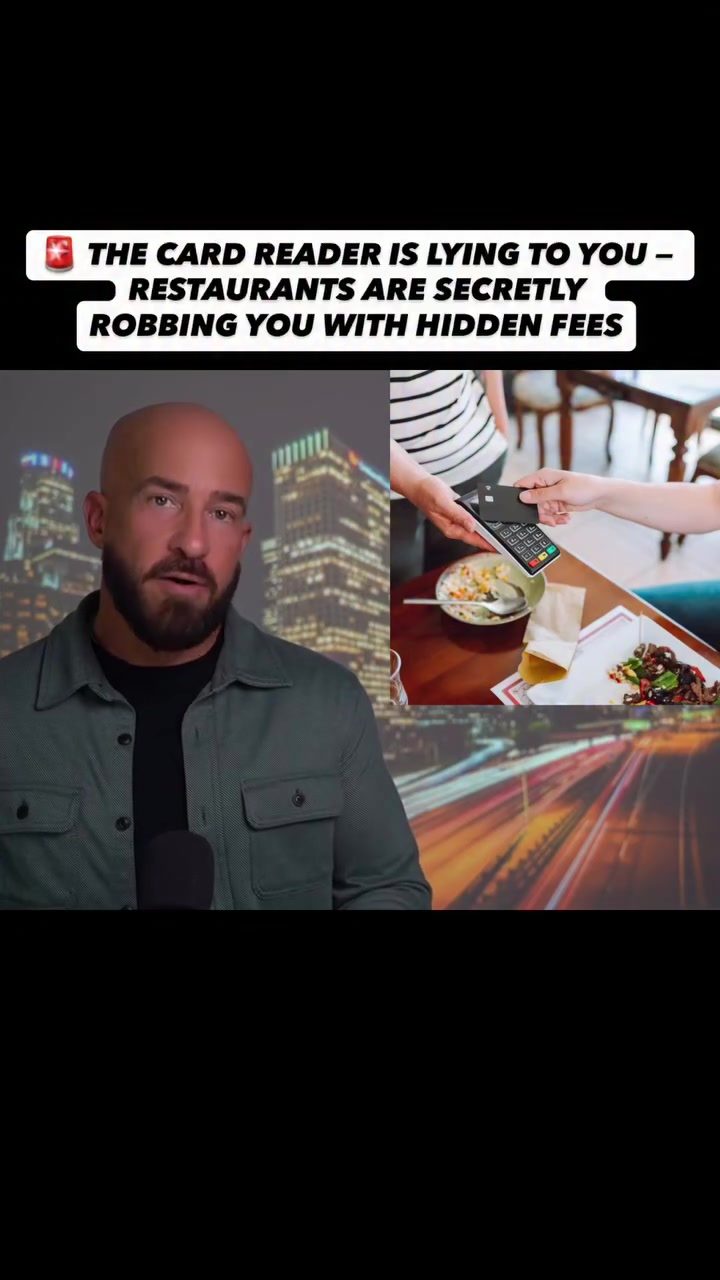
Restaurants are increasingly using mobile card readers to conceal extra charges, making it difficult for customers to identify and contest hidden fees. This tactic involves presenting only the total amount on the card reader, without an itemized breakdown, which can lead to customers unknowingly paying additional fees. Among the most deceptive practices is the use of the "CNF" fee, which is not a service charge and does not go to the server; instead, it goes directly to the restaurant's profits.
Context / Why this matters
Hidden fees in restaurants are a significant concern for diners. These fees can add up quickly, especially for frequent diners or those who visit multiple establishments that employ these tactics. Understanding how these fees work and how to spot them can help customers save money and ensure they are not overcharged. Restaurants often rely on customers not noticing or caring enough to question these extra charges, making it crucial for diners to be aware and vigilant.
Main discussion
The Card Reader Deception
Mobile card readers are convenient and contactless, making them popular among both customers and restaurants. However, their use can also be deceptive. Restaurants often prefer card readers because they hide the itemized breakdown of the bill, showing only the total amount. This makes it easy for restaurants to add extra fees without customers noticing.
One common trick is manipulating the tip options. For example, a 20% tip on a $158 bill might be presented as $20, but when calculated correctly, it should be $31.60. This discrepancy can lead to customers believing they are tipping less than they actually are, resulting in a higher overall bill.
The "CNF" Fee
The "CNF" fee is one of the most deceptive charges added by restaurants. This fee adds zero value to the meal and does not go to the server; instead, it goes straight into the restaurant's pockets. The "CNF" fee may not seem like much on its own, but it can add up over time, especially if you eat at multiple restaurants that charge this fee. Customers often do not notice this fee because it is not clearly itemized on the card reader.
Public Improvement Fees
Even well-known chains like Chick-fil-A are adding extra fees. In certain areas, Chick-fil-A has introduced a "public improvement fee" of $2. This fee is supposedly for public improvements, but it is added to the bill without the customer's consent or knowledge. This tactic is particularly concerning because it comes from a well-known and trusted brand, highlighting the widespread nature of this practice.
Packaging Fees and Forced Tips
Other restaurants are adding packaging fees for takeout orders. These fees are often not disclosed upfront and can caught customers off guard. In some cases, restaurants are even adding tips to the bill without asking for the customer's consent. This practice is not only deceptive but also unethical, as it forces customers to pay more than they intended.
Real-Life Examples
There are numerous real-life examples of restaurants using these tactics. Jay Alexander’s in Tampa, for instance, charges a $3 packaging fee for carryout orders. When confronted, the restaurant's management did not apologize or remove the fee; instead, they asked the customer to leave. This aggressive response highlights the extent to which some restaurants will go to enforce these hidden fees.
Practical tips
Always Ask for an Itemized Receipt
One of the best ways to avoid hidden fees is to ask for an itemized receipt. This allows you to see exactly what you are being charged for and can help you spot any unusual or unexpected fees. If you see a CNF fee or any other questionable charge, politely ask the server or manager to remove it. Many restaurants will waive these fees if questioned.
Be Wary of Card Reader Tips
When using a card reader, be cautious of the tip options presented. Do not just accept the default tip percentage; instead, calculate the tip yourself to ensure accuracy. If the card reader does not allow you to enter a custom tip, consider paying with cash to avoid any potential deception.
Question Unusual Fees
If you see any unusual fees on your bill, do not hesitate to ask about them. Restaurants often count on customers not questioning these charges, so being proactive can help you avoid paying extra.
Important takeaways
- Mobile card readers can hide extra fees by showing only the total amount.
- The "CNF" fee is a common hidden charge that goes straight to the restaurant's profits.
- Even well-known chains like Chick-fil-A are adding extra fees.
- Packaging fees and forced tips are other deceptive practices used by restaurants.
- Always ask for an itemized receipt and question any unusual fees.
Conclusion
Hidden fees in restaurants are a growing concern, and mobile card readers are a significant part of this issue. By understanding how these fees work and being vigilant, customers can protect themselves from being overcharged. Always ask for an itemized receipt, question unusual fees, and be cautious of card reader tips. By taking these steps, you can ensure that you are not paying more than you should for your meal.
Questions readers ask
What is the 'CNF' fee that restaurants charge and why does it matter if it is hidden in the bill?
The 'CNF' fee is a charge that restaurants add to the bill, which goes directly to the restaurant's profits and is not a service charge for the server, often hidden in mobile card reader transactions. It matters to customers because it can inflate the bill, especially for frequent diners, without clear disclosure.
How do mobile card readers contribute to hidden fees in restaurants?
Mobile card readers can obscure extra fees by displaying only the total amount due, rather than an itemized breakdown. This makes it challenging for customers to identify and contest additional charges, such as the 'CNF' fee.
What are some ways to spot hidden fees when dining out?
To spot hidden fees, carefully review your bill for any unusual charges. Additionally, ask for an itemized receipt and confirm with your server if you notice unexpected fees. Be aware of the total amount before entering your card information.
Can I contest hidden fees on my restaurant bill?
Yes, you can contest hidden fees. If you notice unexpected charges, bring it to the manager's attention and request a detailed explanation. If the restaurant cannot provide a satisfactory explanation, you may choose to pay only the amount you agree to, or contest the charges with your credit card company.
Why do restaurants charge hidden fees when you use a card reader?
Restaurants may charge hidden fees through mobile card readers because it allows to add extra charges without clear disclosure. The total amount is presented to the customer. This can increase their profits, but it can also lead to customer dissatisfaction if not handled transparently.
Are there any regulations regarding hidden fees in restaurants?
Regulations regarding hidden fees in restaurants can vary by location. Some regions may have laws requiring clear disclosure of all charges, including any fees associated with processing payments. It's essential to check local regulations or consult with a consumer protection agency if you feel you've been unfairly charged.
Recent articles
Fresh deep dives from the latest Reels we unpacked.




Comments
Be the first to comment.