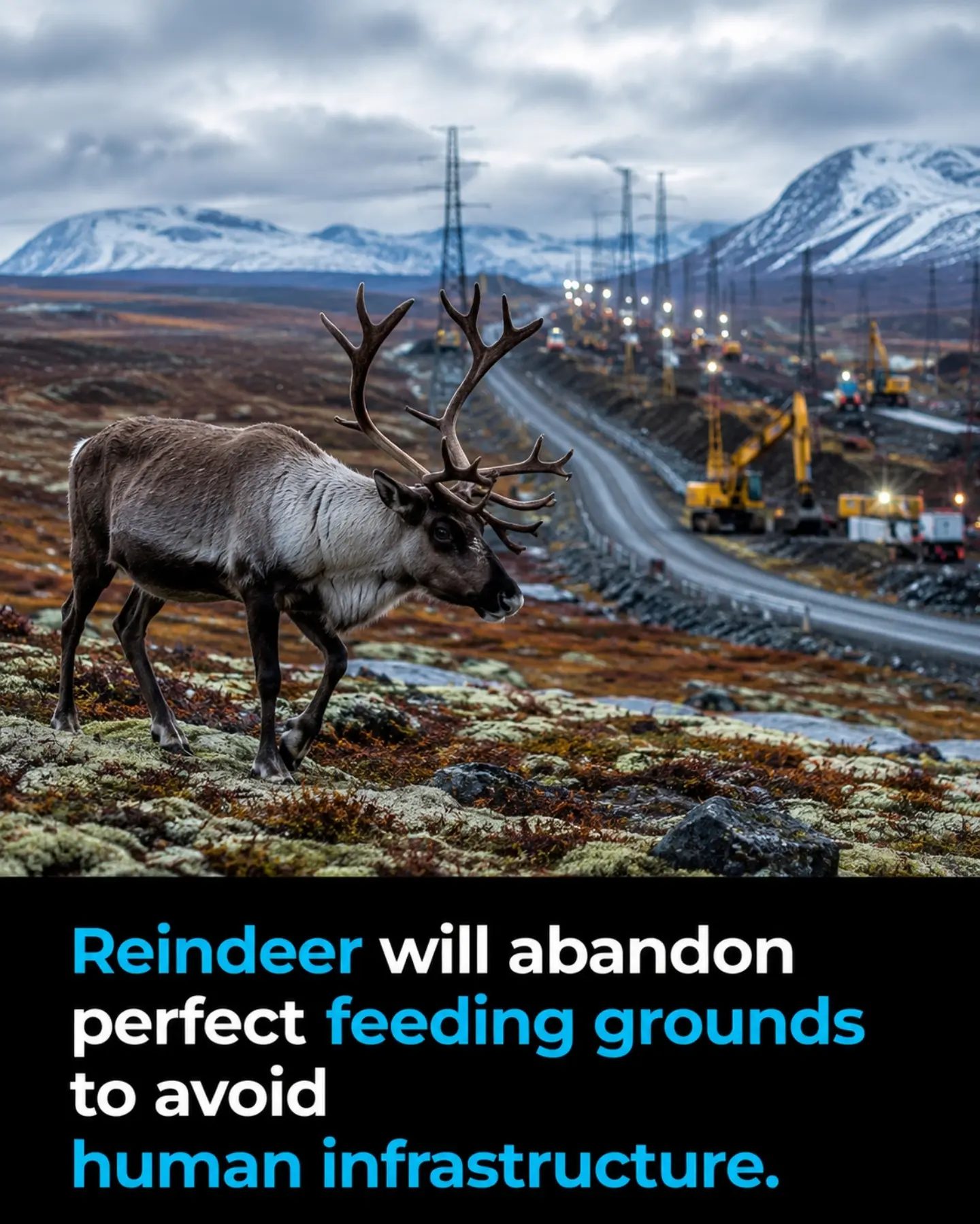
Reindeer and Human Infrastructure: A Delicate Balance
Reindeer, also known as caribou in North America, are iconic animals of the Arctic and subarctic regions. They are known for their migratory behavior, extensive seasonal movements, and unique adaptations to harsh environments. However, their natural behaviors and habitats are increasingly impacted by human infrastructure.
Context and Why This Matters
Understanding the relationship between reindeer and human infrastructure is crucial for conservation efforts. As human activities expand into previously untouched areas, the impact on wildlife habitats becomes more pronounced. Reindeer, like many wildlife species, are sensitive to human disturbances, which can lead to significant changes in their behavior and habitat use.
The Impact of Infrastructure on Reindeer
Human infrastructure, including roads, buildings, and industrial facilities, can alter the natural landscapes that reindeer depend on. Construction activities often result in habitat loss, fragmentation, and degradation. These changes can disrupt the animals' feeding patterns, migratory routes, and overall survival strategies.
According to on-screen text, reindeer will abandon perfect feeding grounds to avoid human infrastructure. This behavior is a clear indication of how infrastructure can disrupt the delicate balance of their natural habitats. The presence of construction equipment and infrastructure in their habitats forces reindeer to avoid areas that would otherwise be ideal for feeding and resting.
Behavioral Changes and Habitat Loss
The avoidance of human infrastructure by reindeer is a significant concern for wildlife conservationists, as it often leads to behavioral changes and habitat loss. Reindeer are known to prefer undisturbed areas where they can find abundant food and shelter. When these areas are disrupted by human activities, the animals are forced to seek alternative, often less suitable, habitats.
Abandoning their feeding grounds can have severe consequences for reindeer populations. Reduced food availability can lead to nutritional stress, weakened immune systems, and increased mortality rates. Additionally, the disruption of migratory routes can make it more difficult for reindeer to access essential resources, such as calving grounds and winter habitats.
Practical Tips for Minimizing Impact
Minimizing the impact of human infrastructure on reindeer populations requires a multifaceted approach that includes thoughtful planning, informed decision-making, and active conservation efforts. Here are some practical tips for reducing the impact of infrastructure on reindeer:
Incorporate Wildlife Considerations in Planning
Incorporating wildlife considerations into infrastructure planning and design can help minimize the impact on reindeer habitats. This includes identifying and avoiding critical wildlife areas, designing infrastructure to minimize fragmentation, and creating wildlife-friendly crossings where necessary.
Promote Sustainable Development
Sustainable development practices can help reduce the environmental impact of infrastructure projects. This includes using renewable energy sources, implementing efficient resource management, and promoting environmentally friendly construction methods.
Support Conservation Efforts
Supporting conservation efforts can help protect reindeer habitats and promote the recovery of affected populations. This includes funding research and conservation projects, advocating for stronger wildlife protection laws, and raising public awareness about the importance of wildlife conservation.
Monitoring and Adaptive Management
Regular monitoring of reindeer populations and their habitats can help identify potential impacts of infrastructure development and inform adaptive management strategies. This includes conducting population surveys, tracking migratory routes, and assessing habitat quality.
Important Takeaways
The relationship between reindeer and human infrastructure is a complex and dynamic one. Understanding the impact of infrastructure on reindeer populations and habitats requires a comprehensive approach that takes into account the unique needs and behaviors of these animals.
Wildlife and Infrastructure
The presence of human infrastructure in reindeer habitats can lead to significant changes in behavior and habitat use. This includes the abandonment of ideal feeding grounds, disruption of migratory routes, and reduced access to essential resources.
Conservation Efforts
Conservation efforts are crucial for protecting reindeer habitats and promoting the recovery of affected populations. This includes incorporating wildlife considerations in planning, supporting sustainable development, and monitoring populations and habitats.
Conclusion
The relationship between reindeer and human infrastructure highlights the delicate balance between human activities and wildlife conservation. By understanding the impact of infrastructure on reindeer populations and habitats, we can take practical steps to minimize disruption and promote sustainable development. This includes incorporating wildlife considerations in planning, supporting conservation efforts, and promoting sustainable practices. Through these efforts, we can ensure that reindeer populations continue to thrive in their natural habitats, benefiting both the animals and the ecosystems they support.
Questions readers ask
How does human infrastructure affect reindeer migration patterns?
Human infrastructure such as roads, buildings, and industrial facilities can significantly disrupt reindeer migration patterns. These structures often force reindeer to alter their traditional routes, leading to longer journeys and increased energy expenditure. Additionally, the noise and human activity associated with these infrastructures can cause reindeer to avoid certain areas altogether, even if they are optimal for feeding and resting.
Why do reindeer avoid areas with high human activity?
Reindeer are naturally wary of human activity due to the potential threats it poses. High levels of human activity can increase stress, disrupt feeding patterns, and make reindeer more vulnerable to predators. As a result, reindeer often avoid areas with significant human presence, even if these areas offer suitable habitat and resources.
What impact do roads have on reindeer behavior and habitat use?
Roads can act as significant barriers to reindeer movement, forcing them to detour around these obstacles. This can lead to increased travel distances and energy expenditure, as well as potential collisions with vehicles. Moreover, roads often bring with them noise, light pollution, and other disturbances that can alter reindeer behavior and cause them to avoid once-favored habitats.
How do industrial facilities influence reindeer feeding patterns?
Industrial facilities can disrupt reindeer feeding patterns by altering the landscape and introducing new disturbances. The construction and operation of these facilities can destroy or fragment reindeer habitats, reducing the availability of food sources. Additionally, the noise, light, and human activity associated with industrial facilities can make reindeer more cautious and less likely to feed in these areas, even if food is available.
What measures can be taken to mitigate the impact of human infrastructure on reindeer?
To mitigate the impact of human infrastructure on reindeer, it's important to implement wildlife-friendly practices. This can include designing infrastructure with wildlife crossings, minimizing noise and light pollution, and setting aside buffer zones around critical reindeer habitats. Additionally, monitoring reindeer movements and adjusting infrastructure plans based on their behavior can help reduce disruptions and promote coexistence.
How do reindeer adapt to changes in their snowy landscape due to human activity?
Reindeer are adept at navigating snowy landscapes, but human activity can complicate this. Infrastructure development can alter the snow cover, making it harder for reindeer to access food and navigate their environment. Reindeer may adapt by changing their routes or altering their foraging behaviors, but these adaptations come at a cost, often leading to increased energy expenditure and reduced overall fitness.
Related deep dives
Similar reads based on topic and creator.
Recent articles
Fresh deep dives from the latest Reels we unpacked.

Comments
Be the first to comment.