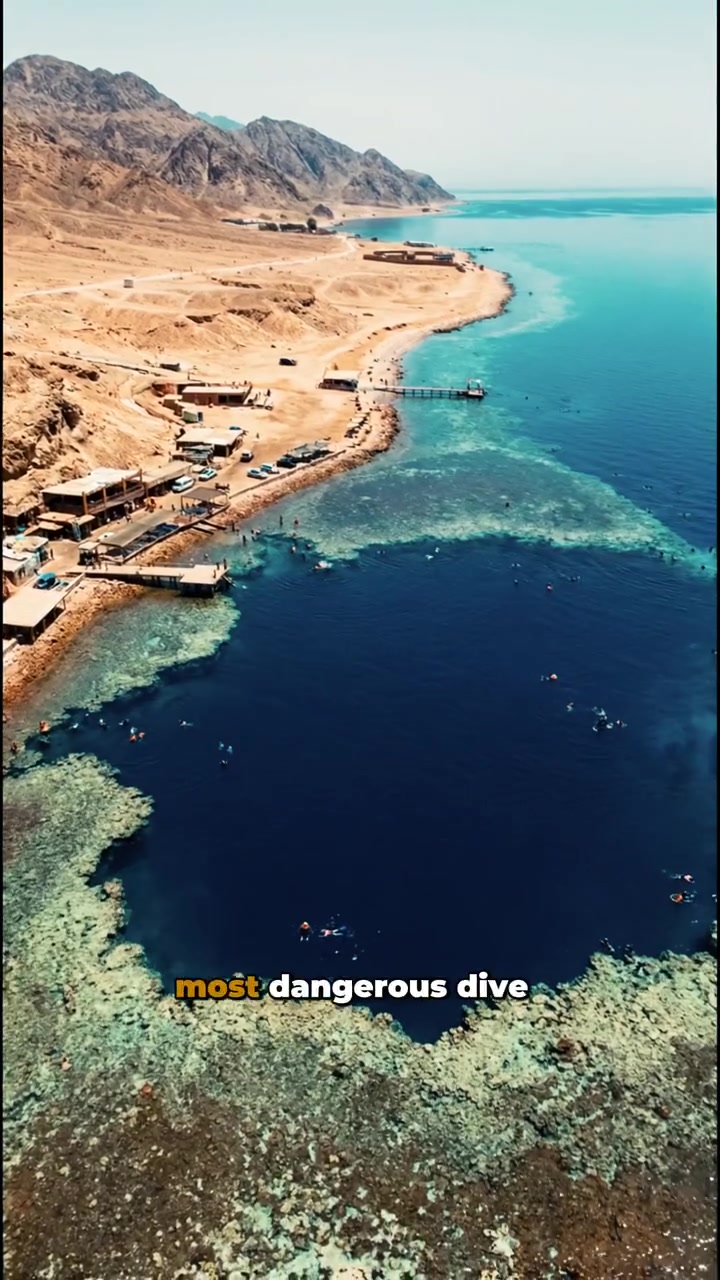
Not every dive leads back to the surface, And, No, this is not a movie plot. The Red Sea's blue hole is no ordinary dive. This isn’t a spot for casual swimmers or first-time divers. At 55 meters, a tunnel opens into the abyss. Coupled with occasional underwater caves, the area can be fatal for an unprepared diver.
Blueprint of a Blue Hole
The Blue Hole is a geological marvel. It’s essentially a large marine sinkhole. Nitrogen in the diver’s bloodstream is the deadly invisible enemy; at 55 meters a diver risks "blackout" from high concentration of nitrogen in the blood, which can happen without warning. Gas and other bubbles can cause decompression sickness (the "bends"), causing divers to think they need to go deeper, even when they must go up. The dive can be hazardous for even the most experienced divers. The hole’s depth, lack of visibility, and disorientation can overwhelm divers who don’t know what’s up from down. The water at the surface can be calm, but 55 meters down the pitch-black tunnel leads to caves. The conditions make it a diver's nightmare—like entering a haunted house. Divers can become disoriented, confuse upwards with downwards.The arch through which divers can exit is short, and once through it the pressure to not get lost is overwhelming. If getting lost and not finding the way is bad enough, the deeper depths can fall much deeper, dropping past 100 meters. What is truly alarming is the hole’s reputation for consuming divers. Its unassuming surface hides a deadly underworld, and over 200 divers have vanished into it, with many never found. This phenomenon has not spared even the best divers alive.
Pushing the Limits of Adventure Tourism
The dive is not just a test of skill, but also a test of confidence. It has captured the interest of adventure tourists. For thrill-seekers, it's a rite of passage. This blue hole is a tourist attraction that can't be survived by even the most daring. Yet, the lure of this extreme adventure persists. The blue hole possesses both a stereotypical deadly danger and also the appeal of exploration. Under the vast blue ocean, both mysteries and dangers lurk below. Yet, the dive’s horrific reputation has not deterred adventurers. Many want an adrenaline rush, even at the cost of never returning.
What Blue Water Conceals
The blue hole, with its 26-meter arch and depth past 100 meters is the world's most dangerous dive. The experience is not what is seen — it’s what is unseen that counts. The darkness hides treasures best left undisturbed. Water pressure and nitrogen asks far more of a diver than skill or even confidence. The hole doesn't claim beginners. For a diver, it poses the ultimate challenge.
The Blue Hole’s Haunting Allure
The blue hole is a mystery that captures the imagination of divers and researchers alike. It’s haunting, and yet draws explorers who want to see the deep sea. It’s a place where the living fear what is really down there. It is the perfect picture of the worst and best that the ocean has to offer.
The Unique Risks of the Blue Hole
To attempt diving in this deadly abyss requires immense skill, but it’s also a war against the mind. The elemental danger of caves and water pressure is clear and present. First are the two reasons divers get lost: the dark and the depth. Then, there's the unpredictable pressure. Finally, for those who surface, there’s the psychological impact. The mind wants to go deeper rather than up. This situation is difficult for even experienced divers. They are often confident and battle-hardened, but the deep pulls them in.
The Experience of a Blue Hole Dive
The blue hole presents a paradox: while its deadly nature makes the dive dangerous, its appeal lies in the thrill seeker’s desire to conquer it. For divers, the blue hole is a meditation on the mind's darker depths, but more tangibly it is a fight for survival.
Surviving the Blue Hole
Take advice from a diver who made it back. Scuba diving with a license but an open mind is only the beginning. For safety, never dive alone. Always prepare a safety plan. Bear in mind the nitrogen and depth can kill you. There are a few things to do that can increase the chances of survival. A trained diver needs someone at the surface to communicate via radios or a prequel signal. Dive with people you trust and who have your best interest at heart. Again, do not dive alone. Before diving, always have a clear plan.
- Dive with a partner: Never attempt to dive into the blue hole alone. Always dive with someone. Both divers should communicate clearly and have a specific dive plan. Having a partner can help navigate the complex cave system and avoid the dangers of diving alone.
- Plan your dive: It is essential to have a clear plan before starting the dive. This includes knowing the depth, time, and direction of the dive. Both divers should know their way out and have a pre-arranged signal system in case of an emergency.
- Check your gear: Constantly check safety equipment. Ensure that the oxygen tank, regulator, and other essential diving gear are functioning correctly. Check and test your equipment before entering the water.
The Reckoning of the Blue Hole
Unpredictability and fear are what bring thrill seekers to the Blue Hole. Divers risk their lives for an experience that few others can match. But diving in the blue hole is not just dangerous, it is deadly. The Blue Hole remains mysterious and deadly, a challenge that even the most experienced diver can not ignore. And yet, the Blue Hole asks divers to do what they love and risk death to find out what's below.
Questions readers ask
What exactly is the Red Sea's Blue Hole and why is it considered so dangerous?
The Red Sea's Blue Hole is a massive marine sinkhole with a depth of over 100 meters. It's notoriously dangerous due to its depth, lack of visibility, and the potential for decompression sickness and nitrogen narcosis, which can cause disorientation and even sudden blackouts. The underwater caves and narrow archways can trap divers, making it a deadly challenge even for the most experienced.
What is nitrogen narcosis, and why does it pose a significant risk at the Blue Hole?
Nitrogen narcosis, also known as 'rapture of the deep', is a reversible alteration in consciousness that occurs while diving at depth, caused by increased partial pressures of nitrogen. At 55 meters, the depth of the Blue Hole's tunnel, the concentration of nitrogen in a diver's bloodstream can reach dangerous levels, leading to disorientation, confusion, and potentially fatal blackouts. It’s an invisible, silent threat that can strike without warning.
How does the unique geography of the Blue Hole contribute to its danger?
The Blue Hole's unique geography, including its depth, the narrow 26-meter arch, and the caves that extend beyond 100 meters, creates a treacherous environment. The lack of visibility and the disorienting effects of the deep water make it extremely difficult for divers to navigate. The narrow arch can trap divers, and the deeper depths can be overwhelmingly dark, leading to a sense of being lost and unable to find the way out.
What kind of divers are most at risk at the Blue Hole, and why?
Even the most experienced divers can be overwhelmed by the Blue Hole's conditions. The depth, lack of visibility, and disorientation can challenge even the best. The hole does not discriminate, and over 200 divers have vanished, with many never found. The combination of extreme pressure, nitrogen narcosis, and the psychological stress of the environment makes it a deadly challenge.
Why does the Blue Hole attract divers despite its dangers?
The Blue Hole's haunting allure and reputation as the world's most dangerous dive make it a rite of passage for thrill-seeking adventure tourists. Many divers are drawn to the challenge and the mystery of the deep sea, even at the risk of never returning. It represents both the worst and the best of what the ocean has to offer, making it a compelling and dangerous attraction.
How does the water pressure and nitrogen affect divers at the Blue Hole?
At the Blue Hole's depths, water pressure and nitrogen levels can be extremely hazardous. The high pressure can cause decompression sickness, while the increased nitrogen levels can lead to nitrogen narcosis. These factors demand far more from a diver than just skill or confidence, posing a significant physical and mental challenge. Divers must be highly trained and prepared to manage these risks.
Related deep dives
Similar reads based on topic and creator.
Recent articles
Fresh deep dives from the latest Reels we unpacked.


Comments
Be the first to comment.