Living Food Lost
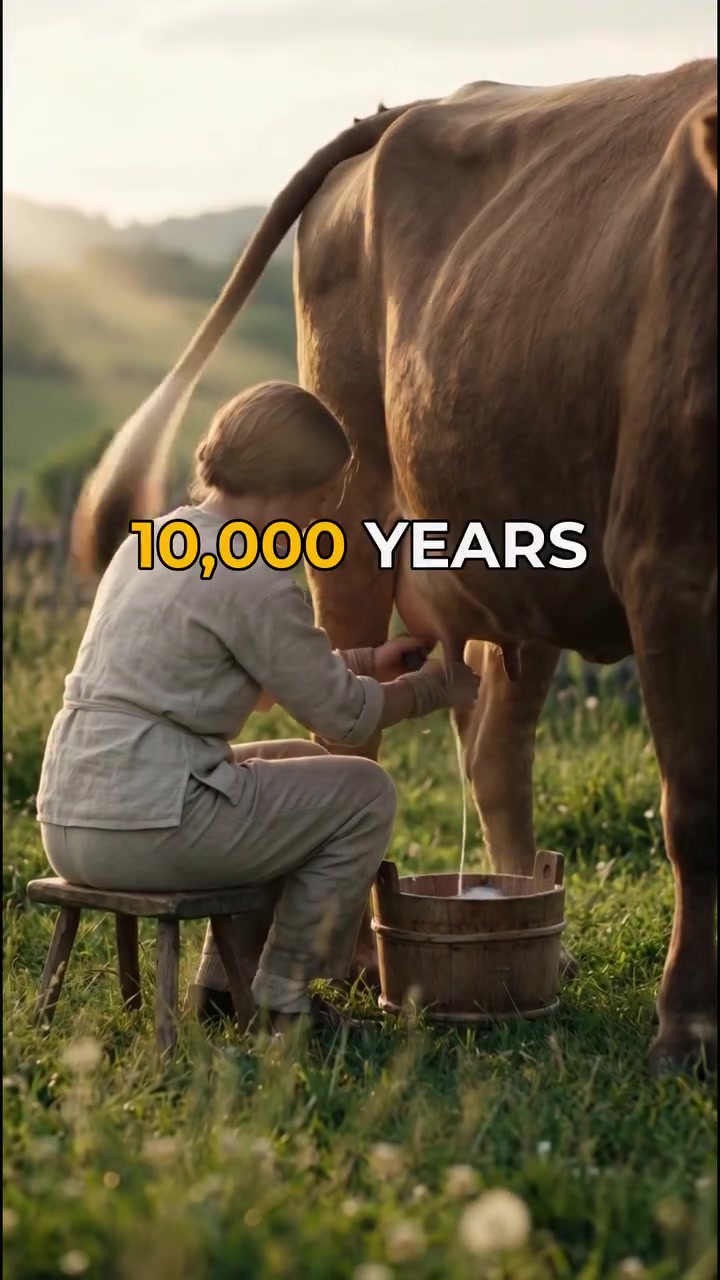
For 10,000 years, humans depended on raw milk as a staple food. It was a complete nutritional package, unprocessed and unpasteurized, sitting on doorsteps and nourishing children with its thick cream on top. The transition was swift: within a single generation, raw milk went from being a daily necessity to a banned substance in most places. Officials cited safety as the primary reason, focusing on the deadly "swill dairies" of the 1800s that fed cows distillery waste, making children sick. However, the complete story reveals a shift to industrial milk production, one that prioritized mass production and profit over the nutritional benefits of raw, living milk.
The Fate of Raw Milk
Raw milk is freshly collected from cows and unpasteurized, preserving its natural enzymes, proteins, and probiotic bacteria. This living food was central to many cultures, especially in rural and agrarian societies. It was more than a trend; it was a lifeline. Throughout history, raw milk's nutritional profile earned it a prized place in traditional diets. Its natural composition supported human health, and humans evolved alongside this food. Living milk contained essential enzymes and bacteria. These elements were invaluable for digestion and overall health, attributes lost when the milk is pasteurized. The change began in the 19th century. City dairies, particularly in urban areas, employed practices that compromised public health. Swill dairies fed cows distillery waste, producing milk riddled with contaminants. The result was a devastating public health crisis, with thousands of children falling ill. Pasteurization emerged as a solution, offering a safer alternative. However, by focusing on safety and standardization, the government also paved the way for industrial milk production, creating a system where raw milk could not thrive.
Lost Proteins, Enzymes, and Bacteria
Heat changes milk's composition in critical ways. Pasteurization alleviates the risks of contaminated milk by killing off harmful bacteria. However, this process also eliminates the beneficial bacteria, enzymes, and proteins that raw milk advocates praise. These elements contribute to the food's nutritional value, making it more bioavailable and easier to digest. Today, consumers exchange dead milk for the food they once prized, wrapped in the illusion of safety. This loss of nutrients is a significant trade-off in favor of commercial interests. Raw milk's demise is intertwined with the industrialization of food systems. In the early 20th century, industrial practices reshaped food production toward mass-production and mass-distribution, leaving raw milk behind. The same laws that mandated pasteurization also supported the standardization of milk, creating a system that prioritized long shelf life and widespread distribution. Pasteurized milk, bottled and trucked, became the norm. Industrial dairy farms could not produce raw milk efficiently, as this requires smaller, local operations. Modern consumers now buy mass-produced milk, despite its diminished nutritional value.
Milk's Urban Past
Raw milk once thrived in urban settings, as city dairy operations provided milk fresh from the cow to residents. Historic images of a city dairy and milk-carrying railway platforms portray the mass-production and distribution of milk in industrial America. This transition from local, living milk to industrial, pasteurized products underscores the shift in consumer habits and priorities.
The System That Couldn’t Defend Raw Milk
The transition to industrial production underscored raw milk's decline. Industrial systems prioritized milk that could be efficiently bottled, transported, and standardized, qualities that raw milk did not possess. As the demand for pasteurized milk grew, the infrastructure for distributing raw milk dwindled. The food system evolved around pasteurized milk, neglecting the benefits of its unpasteurized counterpart. The loss of raw milk illustrates a broader narrative where industrialization and commercialization favor mass-produced goods, ignoring the unique qualities of traditional foods.
Raw Milk Today
Today, the legality of raw milk hinges on region and policy. In Britain, consumers can still purchase certified raw milk directly from farms, preserving a connection to this traditional food. However, in Australia and most of the United States, raw milk is banned outright. Despite its history as a staple food, raw milk’s legal status remains contentious. The decision to drink raw milk comes down to a consumer's willingness to navigate legal constraints and health risks, rather than a widely-available option.
Milk in Britain
In Britain, certified raw milk remains available, offering consumers a link to the past. Local farms often produce this milk, allowing consumers to purchase it directly, thus reducing the risk factors involved. Raw milk's availability in Britain stands in stark contrast to regions where the food is banned, highlighting the role of regional policies in determining access to this traditional staple.
Where to Find Raw Milk
In many places, securing raw milk is a challenge, but it's not impossible. In Britain, certified raw milk from local farms is still available. In the United States and Australia, navigating legal restrictions is essential. generally, one must look for farms selling directly to consumers, farmers' markets, or local cooperatives. Be sure to ask about the quality of milk and whether it is pasteurized or raw. Some farms and online platforms specialize in raw dairy products, providing specialized information and connections to raw milk-selling producers.
- Research Local Regulations: Milk regulations vary. Check local laws regarding raw milk sales and consumption.
- Buying Directly From Farms: Look for farms that sell directly to consumers. This route often provides the freshest, most direct access to raw milk.
- Explore Farmers' Markets: Farmers' markets are excellent sources for raw milk, as they often feature local, small-scale producers.
Should You Drink Raw Milk?
The decision to consume raw milk carries risks, but it also offers potential benefits. Always consult a healthcare provider before incorporating raw milk into your diet, especially if you have health conditions or dietary restrictions. Look for reputable sources and ensure the milk comes from healthy, well-cared-for animals.
Questions readers ask
What exactly is raw milk and how is it different from the milk I typically buy?
Raw milk is milk that comes straight from the cow and is not pasteurized or homogenized. This means it retains all of its natural enzymes, proteins, and probiotic bacteria, which are often lost in the pasteurization process. The milk you typically buy at the store is pasteurized, which kills off harmful bacteria but also eliminates many of the beneficial components that raw milk advocates highlight.
Why was raw milk banned in the first place, and what were the public health concerns behind this?
Raw milk was banned due to public health crises in the 1800s, particularly from 'swill dairies' that fed cows distillery waste, leading to contaminated milk. Thousands of children fell ill, prompting officials to prioritize safety and implement pasteurization as a solution. This shift also facilitated the rise of industrial milk production, which prioritized mass production over the nutritional benefits of raw milk.
What are the nutritional benefits of raw milk that are lost during pasteurization?
Raw milk contains essential enzymes, beneficial bacteria, and proteins that support digestion and overall health. Pasteurization kills off these components, making the milk less bioavailable and harder to digest. This process also eliminates the natural, living aspects of raw milk, which have been part of human diets for thousands of years.
Can I still find and consume raw milk today, and if so, how?
The availability of raw milk varies by region due to legal restrictions. In some places, it may be available through local farms or farmers' markets. However, it's crucial to ensure that the source adheres to strict hygiene and safety standards. Always check local regulations and consult with a healthcare provider before consuming raw milk, as it can pose health risks, especially for vulnerable individuals.
How did the industrialization of food systems affect the availability of raw milk?
The industrialization of food systems in the early 20th century prioritized mass production and distribution, which made raw milk production less viable. Industrial dairy farms couldn't efficiently produce raw milk, as it requires smaller, local operations. This shift led to the dominance of pasteurized milk, which has a longer shelf life and can be distributed widely, but at the cost of nutritional value.
What are the main differences between raw milk and pasteurized milk in terms of health benefits and risks?
Raw milk offers a complete nutritional package with natural enzymes, beneficial bacteria, and proteins that support digestion and overall health. However, it also carries the risk of harmful bacteria if not sourced from a clean, reliable farm. Pasteurized milk, on the other hand, is safer due to the elimination of harmful bacteria, but it lacks the nutritional benefits and living aspects of raw milk, making it less bioavailable and harder to digest.
If raw milk is so beneficial, why hasn't it made a comeback in modern food systems?
The shift to industrial milk production and the focus on safety and standardization have made it difficult for raw milk to thrive. Industrial dairy farms prioritize mass production and long shelf life, which are not compatible with the small-scale, local operations required for raw milk production. Additionally, regulatory frameworks often favor pasteurized milk, further limiting the availability and acceptance of raw milk in modern food systems.
Related deep dives
Similar reads based on topic and creator.




Recent articles
Fresh deep dives from the latest Reels we unpacked.


Comments
Be the first to comment.