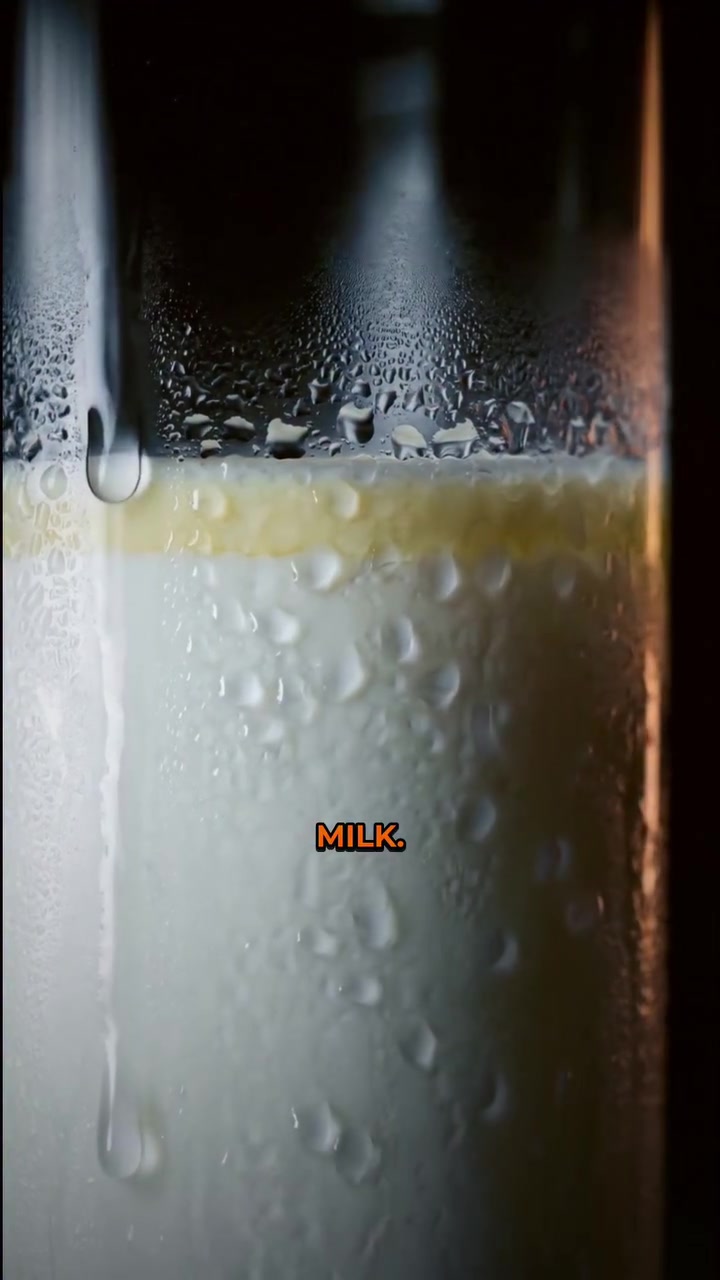
Legal to drink, illegal to sell: Your supermarket cannot sell you raw milk. Across England and Wales, only 132 permitted farms can legally provide this unprocessed dairy product to consumers. Raw milk is the milk directly from a cow, goat, or other mammals, not pasteurized. The 72-degree Celsius process used to pasteurize milk strengthens milk safety. It also brings an unappreciated tradeoff.
The Milk Label Laws
Raw milk is cow, goat, sheep, and buffalo milk that has not been pasteurized or homogenized. It contains all of a mammal's immune proteins. Pasteurization changes that. Pasteurization kills harmful bacteria with heat. That is the good part. But denaturing the milk's immune proteins is the tradeoff that few people know about — including the people who drink it. In three countries, the children who drank raw milk had less asthma and hay fever in a large survey. Raw milk drinkers have an immune system boosted by the proteins. They are likely to have fewer allergic conditions. When heated, the dairy skin on top of the raw milk turns to liquid. Different studies show different things. Heat is a thread. Yet, safe products for sale like pasteurized milk have health warnings. The milk in your refrigerator is largely safe, but the body's natural immune fighters are dead.
The Milk Safety Forgotten
Before pasteurization, people got sick and died from milk. Pasteurization saved many lives. It has also erased a whole generation's memory of what tuberculosis and more could do. In 1921, 1100 British children died from milk-borne tuberculosis. By 1953, only 12 did. The notion that milk must be pasteurized is widespread. It is because of the alternative. Food Safety Authorities and public health organizations warn against drinking raw milk. The message has been effective: pasteurization is why grandparents lived. Now, pasteurization helps prevent animal-to-human diseases. Food and Safety Authority (FSA) says do not drink raw milk if you are pregnant, very young, over 65, or immune compromised. So why does raw milk even exist, and 132 farms sell it?
Health versus Safety
Raw milk is safer for children than children without raw milk. However, no one shows what happens when boiled. The heat is a thread, not a cause of the immune protein reduction. Raw milk drinkers may have less asthma, hay fever, and other immune issues. The heat of the pasteurization process destroys the beneficial proteins in milk. "Heat is a thread, not a cause," which alludes to the deeper processes involved. The body is likely to have a strong immune response when ingesting raw milk. Immune proteins in raw milk boost the immune system. This includes immune proteins like alpha-lactalbumin and beta-lactoglobulin.
Weighing the Risks
Dairy farming remains a food source that requires close regulation. Consumers may have heard mixed messaging about dairy. Regardless, pasteurization stands out as a milestone. A milk farm was allowed to sell raw milk. The live milk is raw milk. It was cloudier and had a different taste. TX and MI also allow raw dairy products. Laws on raw milk vary by country and region, so the sale of raw milk is illegal in some areas. Raw milk is a whole food, so it remains unpasteurized. Raw milk is not quite as unhealthy as some foods. However, it is not as widely sanctioned. Pasteurization remains as essential as ever. However, the rapidly vanishing dairy companies are hesitant. The supply is low enough to have warning labels.
Instructions for Milk
Raw milk is generally a food source with good proteins. However, some of the proteins are not safe. Study groups showed that children who drank pasteurized milk had twice as much asthma. The body needs more milk to get better immune fluids. More milk with better nutrients means a stronger body. Our attention to the dairy aisle does not include unpasteurized milk. The grocery store also does not sell it. In the United States, there is raw milk. However, pasteurization is required for all dairy products. Pasteurizing milk is still a regulated practice.
How Do You Know If Milk Is Pasteurized?
It is generally impossible to tell whether a dairy product is pasteurized without a "certified pasteurized" or similar label. What else should you know about unpasteurized dairy?
- Label: The label says pasteurized only if it is pasteurized. Read the label carefully.
- Refrigeration: Raw milk is not typically found in supermarkets. Always ensure that your dairy products are refrigerated and stored correctly.
- Texture and Appearance: Be aware that pasteurized and non-pasteurized milks differ in texture. Pasteurized milk is generally thicker and creamier, while raw milk may separate and is not graded. Unpasteurized dairy products are riskier. They can contain harmful bacteria such as E. coli, Listeria, and Salmonella, which pose significant health risks. Does unpasteurized milk have benefits? Like raw milk, unpasteurized dairy products could include immune proteins that benefit a healthy body. However, it is unclear because each study is different. Raw milk milk may help build your immune system.
Related deep dives
Similar reads based on topic and creator.




Recent articles
Fresh deep dives from the latest Reels we unpacked.



Comments
Be the first to comment.