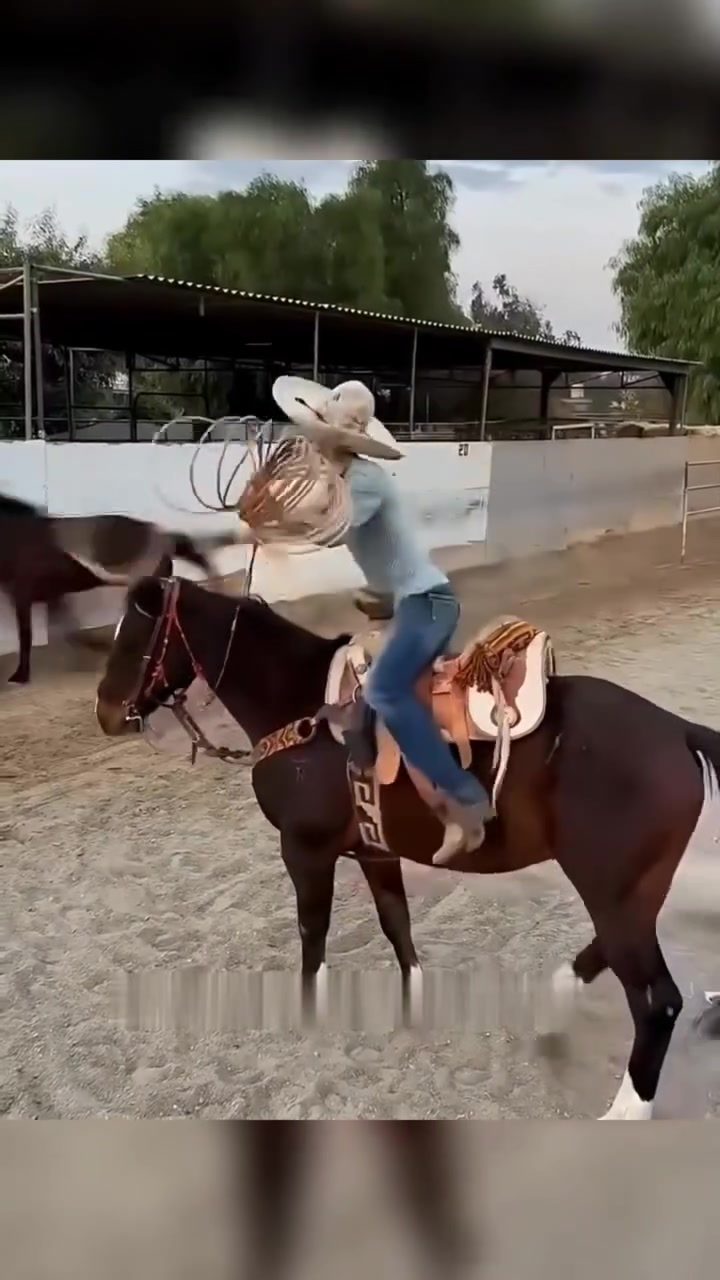
Why Do Cowboy Saddles Have That Strange Post in the Front? The Unique Purpose of a Saddle Horn
Cowboy saddles have a distinctive feature: a prominent post at the front known as the saddle horn. This often-misunderstood component plays a crucial role in the dynamics of roping and controlling livestock.
When and Why a Saddle Horn is Essential
The saddle horn, often called a "horn," serves as a vital tool for cowboys when roping frightened animals. When an animal bolts, it can do so with incredible force. The cowboy quickly wraps the rope around the saddle horn, utilizing the horse to help absorb the pull and maintain control over the animal. This action is fundamental in rodeo trick riding and professional ranching.
Materials Matter: Wood vs. Aluminum
Not all saddle horns are created equal. The material from which the horn is made significantly impacts its performance and suitability for different tasks.
Wooden Saddle Horns
Wooden saddle horns offer a degree of flexibility. This flexibility allows the horn to absorb some of the shock when an animal bolts, making it a more comfortable option for both the horse and the rider. This type of horn is often preferred in everyday ranching and recreational riding.
Aluminum Alloy Saddle Horns
Aluminum alloy saddle horns, on the other hand, are extremely strong and resistant to moisture. This durability makes them ideal for professional roping and demanding ranching conditions. However, the downside is that metal offers almost no give, meaning more of the impact transfers directly to the horse. This makes aluminum horns less suitable for everyday use, as the increased impact can be harder on the horse.
Importance of Saddle Horns in Rodeo and Ranching
Saddle horns are indispensable in the world of rodeo and professional ranching. Their design and functionality allow cowboys to manage and control livestock efficiently. They also improve the safety of the rider and the horse by helping manage the forces involved in roping and handling escaping animals.
Mastering the Rodeo Trick
Rodeo trick riding further showcases the importance of saddle horns. Riders often lasso the horse's head while the horse is bucking, making the saddle horn an essential anchor point. The rider's ability to control the horse is based on their skill and the proper use of the saddle horn.
Safety and Control
The saddle horn's design allows for better control and safety. By wrapping the rope around the horn, the cowboy can manage the animal's movements more effectively, reducing the risk of being dragged off the horse or losing control of the rope. This control is critical in roping techniques and daily ranch work.
Practical Tips for Using a Saddle Horn
Mastering the use of a saddle horn requires practice and understanding of the horn's role in roping and controlling animals. Here are some practical tips to help you get the most out of your saddle horn:
Choosing the Right Material
Consider the tasks you'll be performing when choosing the material for your saddle horn. For everyday ranching and recreational use, a wooden horn might be more comfortable for your horse. For professional roping and demanding conditions, an aluminum alloy horn offers the strength and durability you need.
Proper Rope Wrapping
When wrapping the rope around the saddle horn, ensure it's secure but not too tight. A good wrap allows for some movement, which helps absorb the shock and reduces the impact on both the horse and the rider. Practice this technique to become proficient in using the saddle horn effectively.
Maintenance and Care
Regular maintenance of your saddle horn is essential to ensure it remains functional and safe. Check for any signs of wear or damage, and address them promptly. For wooden horns, occasional oiling can help maintain flexibility and prevent cracking.
Important Takeaways
Understanding the role and functionality of the saddle horn can significantly enhance your roping and ranching skills. Whether you choose a wooden or aluminum alloy horn, proper use and maintenance are crucial for both performance and safety. Mastering the technique of wrapping the rope around the horn can make a significant difference in controlling livestock and ensuring safety during rodeo and ranching activities.
Conclusion
The saddle horn is more than just a distinctive feature on a cowboy saddle; it's a critical tool that enhances control, safety, and efficiency in rodeo and ranching activities. By understanding its purpose and choosing the right material, you can elevate your skills and ensure a better experience for both you and your horse. Whether you are a seasoned professional or a recreational rider, the saddle horn is an indispensable component that can make all the difference.
Questions readers ask
What is the primary purpose of a saddle horn in roping?
The saddle horn's primary purpose in roping is to act as an anchor point. When roping a frightened or bolting animal, the cowboy can wrap the rope around the horn to absorb the force and maintain control over the animal. This is crucial for both safety and effectiveness in handling livestock.
Why is the saddle horn important for ranching?
For ranchers, the saddle horn is vital for managing livestock efficiently and safely. It helps in controlling animals quickly and securely during everyday tasks, such as mustering, branding, or medical treatments. Its design allows for rapid responses to livestock movements, which is essential in dynamic ranching conditions.
How does a saddle horn assist in rodeo tricks?
In rodeo, the saddle horn is a key element in various tricks and events. It provides a stable point for performers to secure ropes or lariats, enabling them to execute stunts such as bulldogging, team roping, or trick riding. The horn's design and placement allow for precise control and maneuverability during these high-stakes performances.
What are the benefits of an aluminum saddle horn compared to a wooden one?
Aluminum saddle horns offer several advantages, including enhanced durability, lighter weight, and resistance to weathering. They are also less likely to splinter or break, making them a safer option for both the rider and the horse. In contrast, wooden saddle horns, while traditional, may require more maintenance and can be affected by moisture and temperature changes.
How should a cowboy use the saddle horn for optimal control during roping?
To use the saddle horn effectively, the cowboy should ensure the rope is wrapped securely around the horn in a manner that distributes the force evenly. This technique helps absorb the shock and prevents the rope from slipping. The cowboy should also position the horn at an appropriate height and angle to facilitate quick and efficient wrapping and unwrapping of the rope.
Can a saddle horn be used for controlling livestock without roping?
Yes, a saddle horn can be useful for controlling livestock even without roping. It serves as a point of stability or leverage for various tasks, such as guiding livestock with a cane or handling livestock with a lasso. A saddle horn can also be used to rest hands, to assist in balancing or steadying yourself during fast movements and shifts in mounting positions.
Recent articles
Fresh deep dives from the latest Reels we unpacked.




Comments
Be the first to comment.